
Cyclone Ditwah has left Sri Lanka grappling with one of its most severe natural disasters in recent history. With many people lost their lives, missing, and over 1.5 million affected, the scale of devastation has triggered a nationwide response involving government agencies, private sector partners, and international donors. This article outlines the key recovery efforts, housing relief measures, and collaborative support that are helping rebuild the nation.
Also in Explained | After Cyclone Ditwah: What Sri Lanka’s Disaster Readiness Really Reveals
Presidential Directive: Data-Driven Housing Recovery
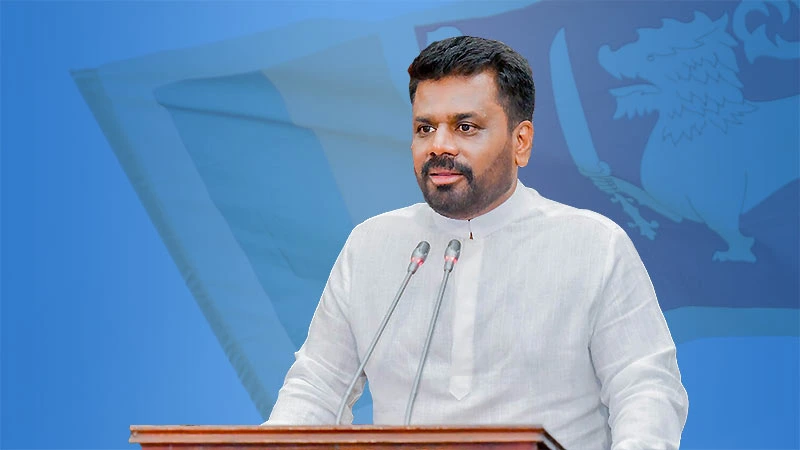
President Anura Kumara Dissanayake has emphasized the need for accurate and transparent data collection to ensure fair compensation and long-term housing solutions. At a meeting with the National Housing Development Authority (NHDA), the President called for a special mechanism to identify fully and partially damaged homes.
- 1,289 homes were completely destroyed
- Approximately 44,500 homes sustained partial damage
The President stressed the importance of stable housing plans for families in high-risk zones, aiming to prevent repeated displacement and ensure sustainable living conditions.
Relief Measures Announced: Financial Support for Affected Families
On December 5, 2025, the government unveiled a comprehensive housing relief package:
- Rs. 50,000 for essential household items per affected home
- Rs. 25,000/month rent support for displaced families (3 months, extendable to 6)
Monthly livelihood support:
- Rs. 25,000 for families with 2 members
- Rs. 50,000 for families with more than 2 members
- Up to Rs. 5 million for those without land or living in unsafe/high-risk areas
- Rs. 5 million to build a new home if fully destroyed
- Up to Rs. 2.5 million to repair partially damaged homes
These measures reflect a strong push toward recovery, stability, and long-term rebuilding.
Diplomatic Briefing: International Coordination and Tourism Stability
Prime Minister Dr. Harini Amarasuriya and Minister Vijitha Herath hosted a special briefing for Sri Lanka’s diplomatic community. Joined by senior officials from the Disaster Management Centre and the Sri Lanka Tourism Development Authority, the session highlighted:
- Appreciation for foreign missions’ immediate support
- No tourist casualties reported
- Restoration of access to previously cut-off areas
- Ongoing clean-up and decontamination of public spaces
- Restoration of communication services
The Prime Minister acknowledged the combined efforts of armed forces, health services, volunteers, and local authorities, while outlining future challenges such as damaged infrastructure, resettlement needs, and disaster mitigation planning.
Also in Explained | Sri Lanka’s Cyclone Ditwah Response: Infrastructure, Aswesuma & Mahapola Welfare, and the Urgency of Systemic Reform
Private Sector Mobilization: Apparel Industry Leads Relief Efforts
The Joint Apparel Association Forum (JAAF) has activated a coordinated response to support communities affected by flooding, landslides, and access disruptions:
- Employee safety and wellbeing prioritized
- Most factories have resumed operations
- Emergency support provided: food, clothing, shelter, transport, and essential supplies
- District-level focal points established for efficient reporting and resource mobilization
- Active communication with government authorities to support national relief efforts
This reflects a strong private-sector commitment to humanitarian support and operational continuity.
International Donations: Beyond Expectations
Sri Lanka’s recovery has been strengthened by international generosity that exceeded initial expectations. Contributions have flowed not only from foreign governments but also from Sri Lankans living abroad, whose diaspora networks mobilized quickly to send funds, supplies, and technical expertise.
- The Sri Lanka Overseas Chinese Association donated Rs. 1 million, symbolizing solidarity from resident communities.
- Governments including Japan, Maldives, Bangladesh, UAE, India and Pakistan pledged emergency relief, medical teams, and logistical support.
- Diaspora-led initiatives have raised significant funds, ensuring that families in shelters and high-risk zones receive immediate assistance.
This wave of support demonstrates that Sri Lanka’s rebuilding is not an isolated effort, it is a collective mission shared by citizens abroad and international partners. Together, these donations complement government relief packages and private-sector mobilization, reinforcing the message that nation-building after Cyclone Ditwah is a shared responsibility.
Rebuilding Sri Lanka: A National Effort
Cyclone Ditwah has exposed vulnerabilities in infrastructure, housing, and disaster preparedness. But it has also revealed the strength of collective action. With government-led relief packages, private sector mobilization, and international solidarity, Sri Lanka is laying the foundation for a more resilient future.
Together, with transparent governance, targeted funding, and community-driven support, Sri Lanka can rebuild stronger, safer, and more united than ever before.


Also in Explained | Rebuilding After the Cyclone: What Sri Lanka’s Economy Needs Now