
Economic and social infrastructure forms the backbone of any nation’s development. In Sri Lanka, these sectors often referred to as Economic and Social Overheads (ESO) include essential services like energy, transport, telecommunications, water supply, education, and healthcare. Reliable infrastructure supports business growth, improves quality of life, and drives long-term prosperity.
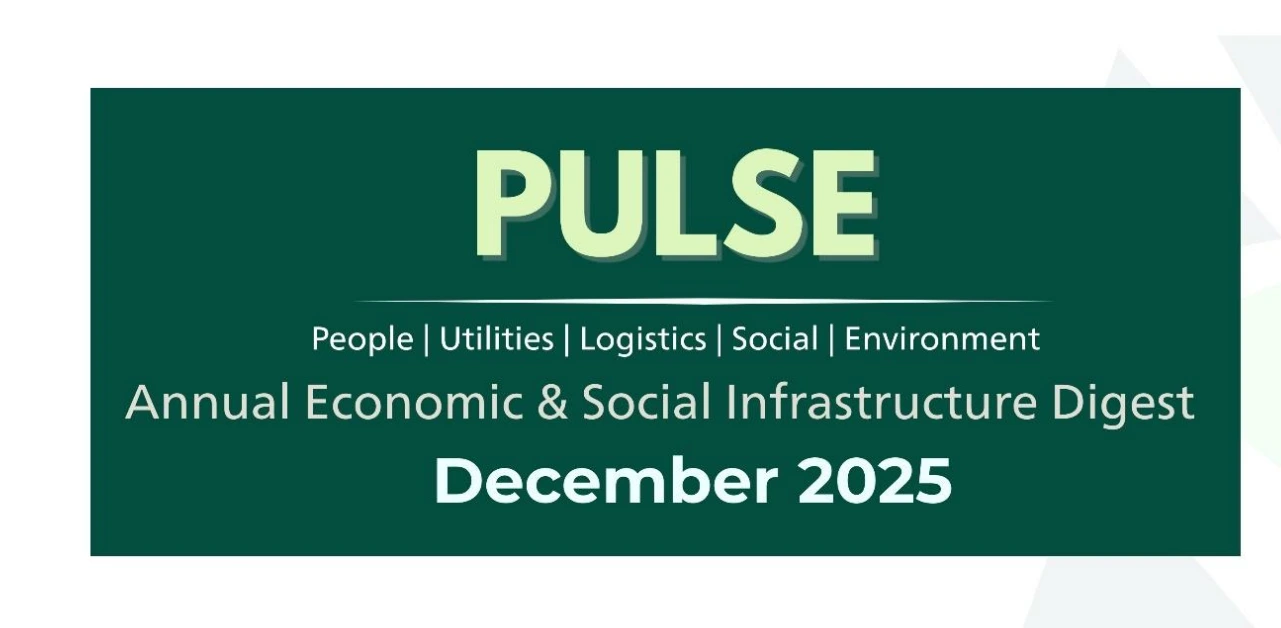
The Central Bank of Sri Lanka (CBSL) plays a key role in monitoring these areas through its regular publications. A dedicated resource, PULSE – Annual Economic & Social Infrastructure Digest, provides comprehensive data, trends, and policy insights on the ESO sector. Launched as a standalone annual publication in recent years, PULSE builds on chapters previously included in the CBSL’s Annual Report, offering focused analysis for policymakers, researchers, and the public.
The latest edition (December 2025) covers developments through 2024 and the first ten months of 2025, presenting timely information amid ongoing economic recovery.
Also in Explained | Sri Lanka’s Brain Drain Crisis: The Cost of Losing Our Brightest Minds
Why Economic and Social Infrastructure Matters
Strong infrastructure enables efficient movement of goods and people, reliable power for homes and industries, widespread access to education and health services, and digital connectivity in an increasingly online world. In Sri Lanka, investments in these areas help reduce poverty, create jobs, and promote inclusive growth.
For instance:
- Better roads and ports lower transport costs for exporters and consumers.
- Expanded electricity and renewable energy support environmental goals while meeting rising demand.
- Improved schools and hospitals enhance human capital, benefiting future generations.
- Growing telecommunications bridge the digital divide, especially in rural areas.
Tracking progress in these sectors helps identify gaps and guide policy decisions.
Key Areas Covered in PULSE
The PULSE digest focuses on core components under the acronym People | Utilities | Logistics | Social | Environment:
Utilities: Energy and Water
Sri Lanka has made strides in electricity access, with near-universal coverage in recent years. The sector emphasizes shifting toward renewables like solar and hydro to reduce reliance on imported fuels. Data highlights generation capacity, consumption patterns, and tariff structures.
Water supply and sanitation remain priorities, with ongoing projects to improve access and quality, particularly in drought-prone regions.
Logistics and Transport
Efficient transport infrastructure is vital for trade and tourism. Key indicators include road networks, railway upgrades, port throughput (especially Colombo Port), and aviation developments. Investments in highways and logistics hubs aim to position Sri Lanka as a regional hub.
Social Infrastructure: Education and Health
Social sectors directly impact human development. PULSE tracks enrollment rates, teacher-student ratios, literacy levels, and educational outcomes. In health, metrics cover life expectancy, hospital beds, vaccination rates, and public spending.
These areas reflect progress toward Sustainable Development Goals (SDGs), with emphasis on equitable access across provinces.
Environment and Sustainability
Increasingly, infrastructure discussions include environmental considerations. The digest addresses climate resilience, renewable energy adoption, and efforts to balance growth with conservation.
Telecommunications and Digital Infrastructure
Rapid digital expansion features prominently, with data on mobile penetration, internet usage, broadband speeds, and e-government services. This supports remote work, online education, and financial inclusion.
Recent Trends and Policy Implications
Recent PULSE editions highlight positive trends:
- Steady expansion in renewable energy contribution.
- Improvements in road density and public transport efficiency.
- Rising digital connectivity, aiding post-pandemic recovery.
- Increased public investment in health and education infrastructure.
Challenges include funding constraints, regional disparities, and the need for climate-resilient designs. Policy recommendations often focus on public-private partnerships, efficient resource allocation, and technology adoption.
For stakeholders, these insights inform investment decisions, advocacy, and planning. Businesses benefit from understanding logistics improvements, while citizens gain awareness of service enhancements.
Accessing Reliable Infrastructure Data
The CBSL ensures transparency by making PULSE and related publications freely available online. Complementing resources include:
- Economic and Social Statistics of Sri Lanka (annual time-series data).
- Sri Lanka Socio-Economic Data (pocket booklet with key indicators).
- Monthly bulletins and Recent Economic Developments reports.
These tools empower informed discussions on national progress.
Find the full PDF of PULSE – Annual Economic & Social Infrastructure Digest of 2025 below.
The Path to Sustainable Development
Sri Lanka’s economic and social infrastructure continues to evolve, supporting broader goals of stability and prosperity. Ongoing investments backed by international partnerships and domestic reforms aim to create resilient systems that serve all citizens.
Understanding these sectors helps appreciate how foundational services contribute to daily life and long-term growth. Whether you’re a student, professional, policymaker, or concerned citizen, resources like PULSE provide valuable, evidence-based perspectives.
Stay informed about updates from the Central Bank to track future developments in this critical area of national progress.
Also in Explained | Shadow Imports Flood Sri Lanka’s Computer Hardware Market, Threatening Legitimate Businesses