
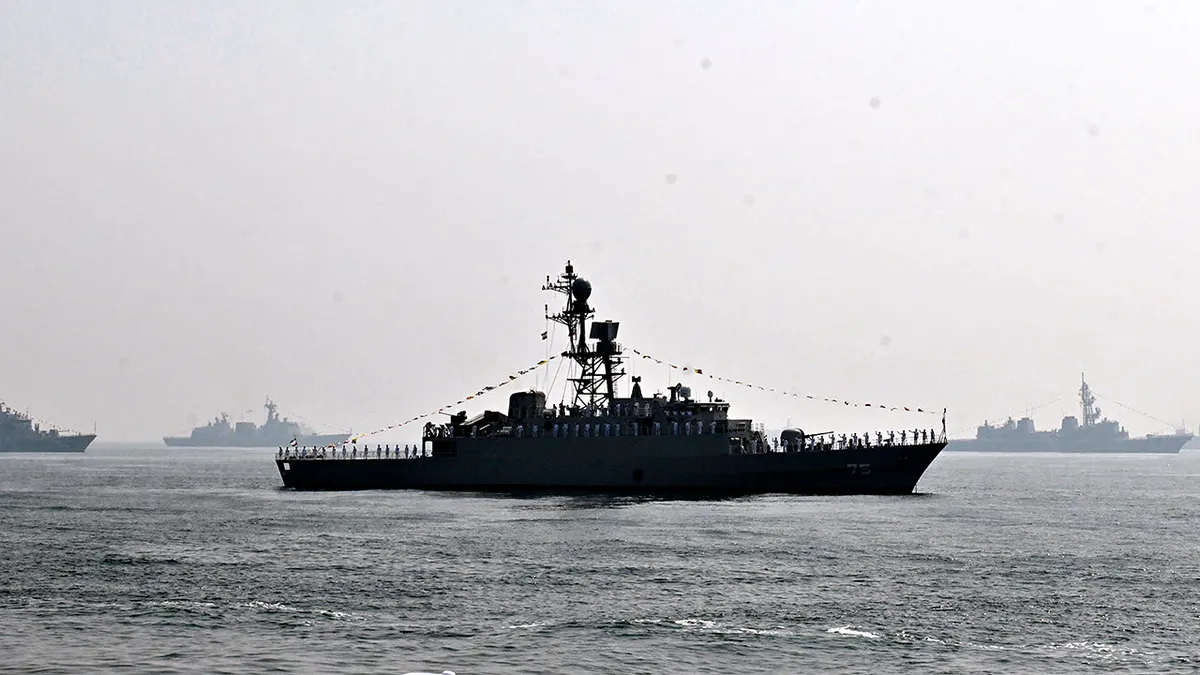
Sri Lanka, a small island nation in the Indian Ocean, has once again found itself drawn into the periphery of distant conflicts through events unfolding in its maritime domain. In the past 48 hours, two separate incidents involving Iranian vessels within or near Sri Lanka’s Exclusive Economic Zone (EEZ) have placed the country’s commitment to humanitarian principles at the centre of international attention.
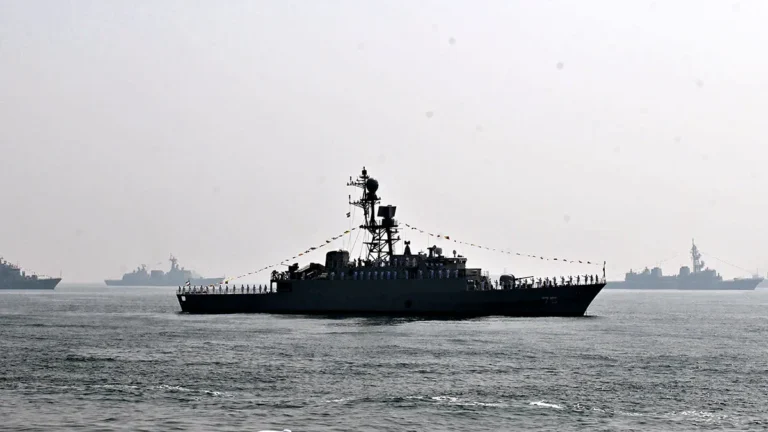
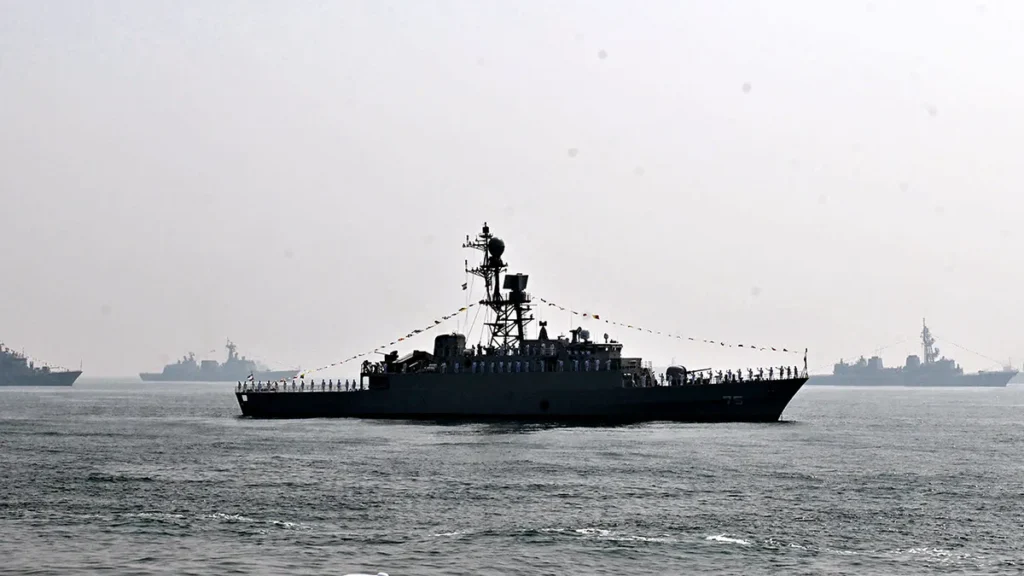
On 4 March 2026, the Iranian frigate IRIS Dena sank in international waters approximately 40–44 nautical miles off the southern coast near Galle. The vessel, with a crew of around 180, was returning from a naval exercise when it came under attack by a US submarine torpedo. Sri Lanka’s Navy responded immediately to a distress signal, launching a coordinated search-and-rescue operation. As of 5 March, authorities have rescued 32 sailors and recovered 87 bodies, with a number of crew members still reported missing.
On 5 March, the Sri Lankan government confirmed the presence of a second Iranian vessel positioned in the country’s EEZ, outside territorial waters. The vessel has requested assistance. Cabinet spokesperson and Minister Nalinda Jayatissa stated in Parliament that authorities are “doing our utmost to safeguard lives” and are addressing the situation while working to maintain regional peace. The ship has not entered Sri Lankan territorial waters.
Sri Lanka has maintained a position of strict neutrality throughout these developments
The government has repeatedly emphasised that it is not aligned with any party in the broader tensions between the United States and Iran. Its actions are guided solely by humanitarian considerations and long-standing international obligations.
As a small nation with limited strategic influence, Sri Lanka nonetheless upholds its responsibilities under key international frameworks. Under the United Nations Convention on the Law of the Sea (UNCLOS), coastal states have a clear duty to render assistance to any person found at sea in danger of being lost. This obligation is reinforced by the International Convention on Maritime Search and Rescue (SAR Convention), which Sri Lanka has ratified. These instruments establish a universal, non-discriminatory principle: assistance at sea must be provided regardless of nationality, status, or the circumstances that led to the distress.
This approach also reflects the broader spirit of international humanitarian law, including the emphasis on protecting human life and dignity even amid armed conflict. For Sri Lanka, these are not abstract legal requirements but core values rooted in its cultural heritage of compassion and non-violence.
The incidents highlight the practical challenges faced by smaller coastal states when great-power rivalries extend into their maritime neighbourhoods. Sri Lanka must balance its sovereign rights within the EEZ with the imperative to protect human life. The swift naval response to the first incident and the measured handling of the second vessel demonstrate a consistent focus on saving lives rather than becoming entangled in the underlying conflict.
From a purely humanitarian perspective, the priority remains the individuals affected. The rescued sailors are receiving medical care in Sri Lankan facilities. Efforts continue to locate the missing, and support is being extended to those in distress on the second vessel. Families on the other side of the ocean, like any families caught in conflict, deserve clarity and compassion regarding the fate of their loved ones.
These events also serve as a reminder of the vulnerabilities inherent in Sri Lanka’s strategic location along major Indian Ocean shipping routes. While the country benefits from its position as a maritime hub, it must navigate complex situations with care to protect both its sovereignty and its reputation as a responsible actor.
Sri Lanka’s response sends a clear and principled message to the international community: even as a small nation facing its own economic and developmental challenges, it will not turn away from those in peril at sea. When individuals or vessels request help, assistance will be provided on humanitarian grounds, in line with international law and without reference to the wider geopolitical context.
In an era of increasing maritime tensions, such acts of measured humanity by smaller states carry significant weight. They reinforce the idea that certain obligations the duty to preserve life at sea transcend political divisions and remain binding on all nations, regardless of size or power.
As the situation continues to evolve, Sri Lanka’s focus remains unchanged: safeguarding human lives, ensuring the safety of those in distress, and contributing to regional stability through calm and responsible action. In doing so, the country upholds not only its legal commitments but also the fundamental values that define it as a compassionate member of the global community.
Also in Explained | Oil Prices Surge After Gulf Conflicts and Strait of Hormuz Tensions: Impact on Sri Lanka’s Fuel Costs in March 2026