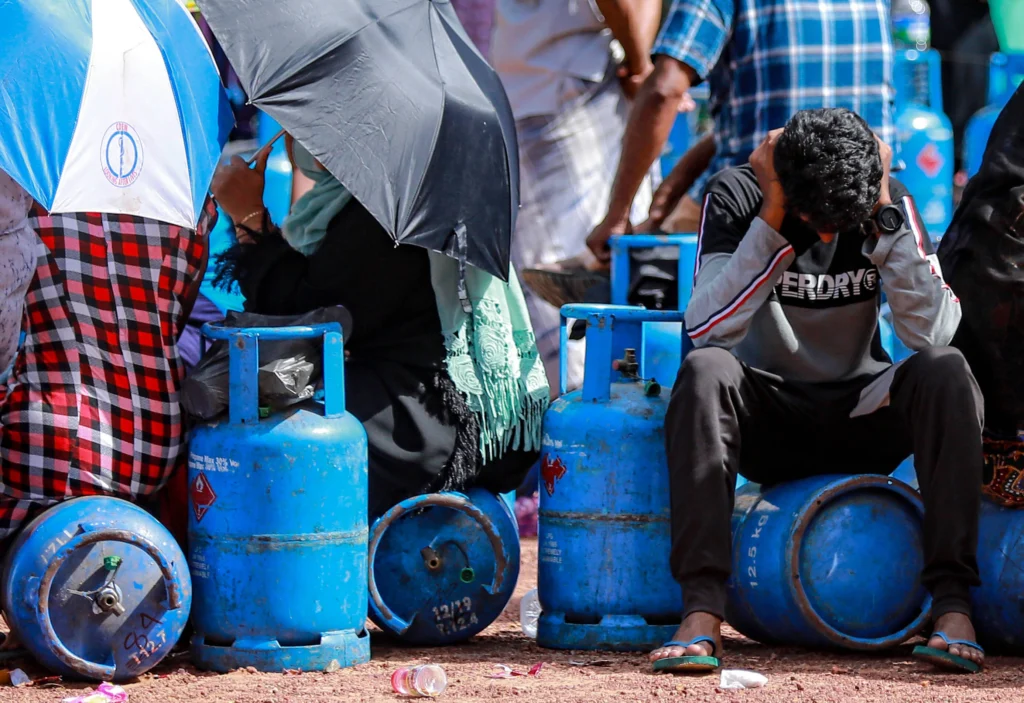

As global oil prices surge past USD 100 per barrel due to Middle East conflict and Strait of Hormuz disruptions, Sri Lanka is once again facing a fuel crisis in March 2026. Recent price hikes of up to 25%, the introduction of a four-day work week, QR-based rationing, and warnings of rising food prices have placed heavy pressure on households and the economy.
Malaysian Energy Minister Fadillah Yusof recently confirmed that 85% of Malaysian households will remain largely unaffected by these international fuel price fluctuations. As one observer noted, “Because Malaysia generates 40-45% of its power from natural gas sourced locally, from Kertih, Terengganu, and the Thailand-Malaysia joint development area… If you use less than 600kWh per month (which covers 85% of households), you’re fully exempt from fuel cost adjustments. The government absorbs the volatility. Your bill stays predictable.”
Sri Lanka’s situation stands in sharp contrast. With almost no domestic fossil fuel production and heavy reliance on imported petroleum and gas, the country has had to engage directly in foreign talks and emergency spot purchases to secure supplies. This reactive approach highlights a deeper issue: our crisis plans were not sufficiently prepared in advance, forcing diplomatic efforts abroad at a time when domestic buffers should have been stronger.
Also in Explained | Why Does Sri Lanka Talk More About Recovery Than Productivity?
Sri Lanka’s Reactive Measures in the Current Fuel Crisis
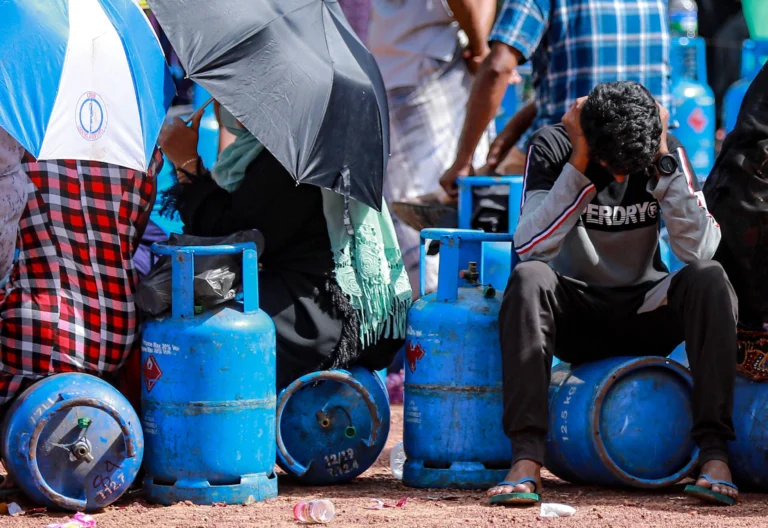
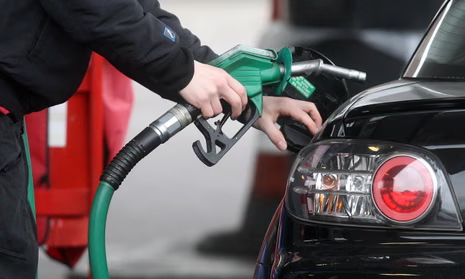
The government has implemented several immediate steps to manage limited reserves. Fuel prices were raised sharply twice in March, with the latest revision pushing diesel, petrol, and kerosene up by approximately 25%. Current prices stand at Petrol 92 Octane Rs. 398, Petrol 95 Octane Rs. 455, Auto Diesel Rs. 382, Super Diesel Rs. 443, and Kerosene Rs. 255 per litre. LPG cylinder prices have also been adjusted upward.
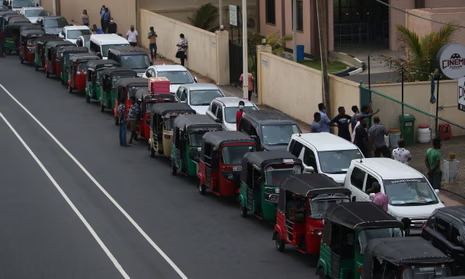
The QR-based National Fuel Pass system, reintroduced on 15 March, now limits purchases private cars to around 25 litres per week to curb hoarding and panic buying.
From 18 March, a four-day work week was rolled out for government offices, schools, and universities, with Wednesdays declared a public holiday and private firms encouraged to adopt remote or flexible arrangements. These measures aim to reduce daily fuel consumption and stretch existing stocks, which the Ceylon Petroleum Corporation says will last until the end of April if managed carefully.
Electricity supply has been protected so far, with the Power and Energy Ministry assuring the public that no power cuts are expected in the coming weeks. Fuel for power plants remains prioritised, and recent outages were linked to trade union issues at the Ceylon Electricity Board, not fuel shortages.
The Cost of Not Having Domestic Buffers
Malaysia’s resilience stems from decades of investment in local natural gas production and a deliberate policy of shielding the majority of households from global volatility. Sri Lanka, by contrast, lacks comparable domestic energy resources and has relied heavily on imports. This dependence means that when global supply routes are disrupted, the country must turn to foreign negotiations emergency spot purchases, diplomatic engagements, and tenders for additional cargoes to bridge shortfalls.
These foreign talks are necessary today because earlier domestic planning did not build sufficient long-term buffers. While the current measures (QR rationing, shorter work weeks, and price signals) are helping to manage the immediate crisis, they are reactive rather than preventive. The result is visible strain: higher costs for commuters and businesses, pressure on grocery bills, and the need for rapid adjustments in daily routines.
This pattern echoes earlier challenges. In 2022, similar external shocks exposed vulnerabilities in fuel and power supply. The current episode reinforces that without stronger domestic production, diversified imports, and robust storage, Sri Lanka will continue to face sudden crises that require last-minute foreign engagement.
Lessons for Long-Term Energy Security
The contrast with Malaysia offers a clear roadmap for Sri Lanka. Investing in local or regional gas resources, expanding renewable capacity (already contributing a significant share of the power mix), and accelerating the planned LNG terminal are no longer optional. These steps would reduce dependence on volatile global markets and limit the need for emergency foreign talks during future shocks.
In the short term, public cooperation with the QR system and four-day work week is essential to stretch reserves and avoid deeper shortages. Families can help by planning travel efficiently, exploring carpooling or public transport, and gradually stocking non-perishables to ease food price pressure.
The fuel crisis of March 2026 is a reminder of how interconnected our daily lives are with global events. Sri Lanka’s current measures show decisive action to protect essential services, but they also highlight the importance of proactive planning. By learning from this experience and investing in domestic energy resilience, the country can reduce the frequency and severity of future crises and lessen the need to negotiate abroad when times turn difficult.
The goal remains the same: reliable, affordable energy that supports households and economic growth without sudden shocks. Achieving it will require both short-term discipline and long-term strategic investment. Sri Lanka has the capacity to build that resilience the current crisis simply makes the urgency clearer than ever.
Also in Explained | Why Does Sri Lanka Celebrate Intelligence but Underinvest in Research?