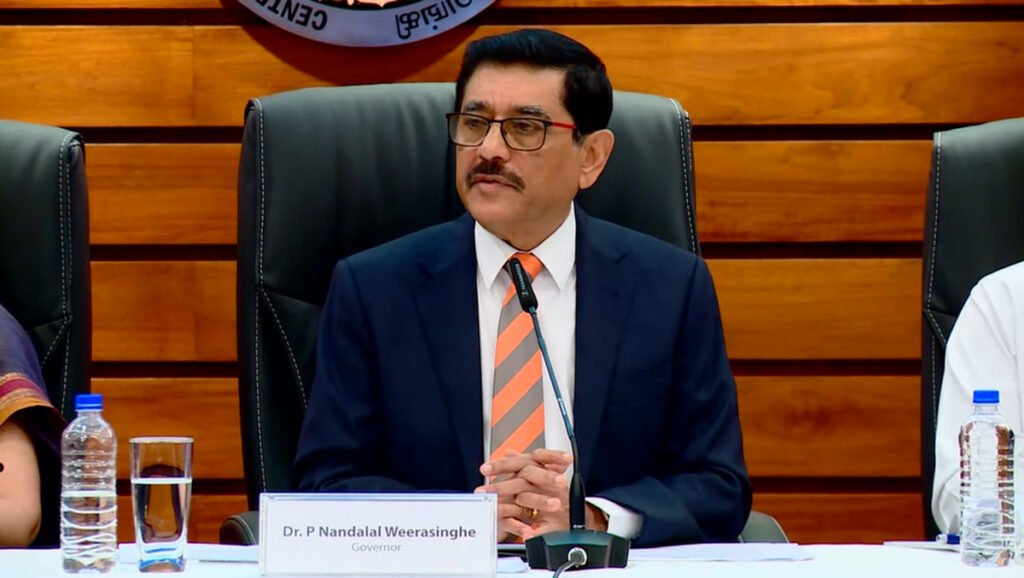

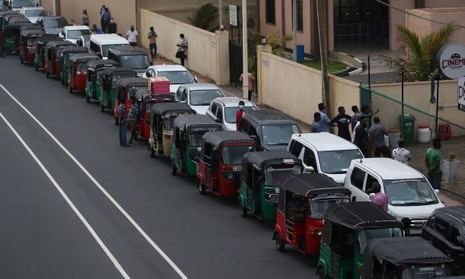
Sri Lanka fuel crisis 2026 has escalated rapidly in March as Middle East conflict disrupts global oil supplies and domestic demand surges. The government has introduced tough measures including an 8% fuel price hike and a four-day work week to protect limited reserves, while assuring no immediate power cuts. Families are already feeling the impact through higher transport costs and warnings of rising food prices in the coming weeks.
Also in Explained | Sri Lanka Reintroduces QR-Based National Fuel Pass: Managing Supply Amid Middle East Tensions and Rising Demand
Sri Lanka Fuel Crisis 2026 – What Triggered the Latest Shock
Global oil prices crossed USD 100 per barrel for the first time in four years after supply disruptions in the Strait of Hormuz and reduced output from major producers. Sri Lanka, which imports nearly all its petroleum, felt the effect immediately. At home, panic buying and reports of hoarding pushed demand far above normal levels, forcing authorities to act before stocks ran low.
Current reserves are stable until the end of April, according to the Ceylon Petroleum Corporation. However, the combination of expensive imports and heightened local consumption has created a delicate situation that requires careful management.
Fuel Price Hikes in Sri Lanka 2026: Latest Increases Explained
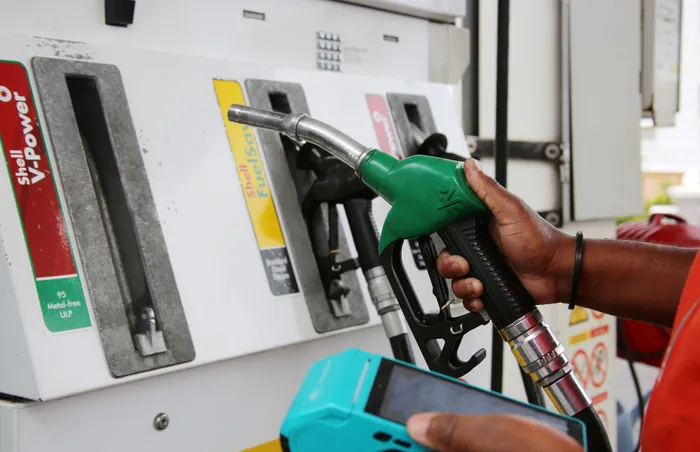
In the most recent revision, fuel prices rose by approximately 8%. Auto Diesel now costs Rs. 303 per litre, Super Diesel Rs. 353, Petrol 92 Octane Rs. 317, Petrol 95 Octane Rs. 365, and Kerosene Rs. 195. LPG cylinder prices have also been adjusted upward.
These increases reflect the true cost of imports and aim to discourage wasteful consumption. While they help stabilise the national fuel supply, they add immediate pressure on household budgets. Commuters, three-wheeler operators, and businesses that rely on transport are already passing some of the extra cost to customers.
4-Day Work Week in Sri Lanka to Save Fuel During Crisis
From March 18, Sri Lanka introduced a four-day work week for all government offices, schools, and universities, with Wednesdays declared a public holiday. Private companies are encouraged to adopt flexible or remote working arrangements, and large public events have been scaled back.
The measure is specifically designed to reduce daily commutes and office activity, thereby lowering overall fuel consumption. By keeping millions of vehicles off the roads one extra day each week, authorities hope to stretch limited reserves further and prevent more severe shortages.
This change marks a significant shift in daily routines. Public sector workers, students, and parents are adjusting schedules, while many offices are testing remote work options to maintain productivity with less travel.
No Power Cuts in Sri Lanka Despite Fuel Crisis 2026
One major fear has been put to rest. The Power and Energy Ministry has given a clear public assurance that there will be no electricity blackouts in the coming weeks. Fuel for power generation remains prioritised, and current stocks are being managed tightly to protect the national grid.
Recent outages earlier in March were caused by trade union action at the Ceylon Electricity Board, not fuel shortages. Officials have emphasised that electricity and gas supplies are being ring-fenced even as liquid fuel is carefully rationed.
Food Prices Rise Warning in Sri Lanka Fuel Crisis 2026
The most immediate concern for ordinary families is the impact on grocery bills. Higher transport costs and disrupted global supply routes are already pushing up prices of vegetables, rice, fish, and other staples. A senior government minister warned just hours ago that essential food items could see further increases in the coming weeks.
Farmers and distributors face higher diesel and fertiliser costs, while delivery services pass on rising fuel expenses. Although massive spikes have not yet materialised, experts predict steady upward pressure on grocery prices similar to patterns seen in previous crises. Many households are already adjusting shopping habits and looking for cheaper local alternatives.
Broader Ripple Effects of Sri Lanka Fuel Crisis 2026
Public transport schedules may tighten slightly, and goods delivery could slow in some areas. Small businesses and restaurants that depend on fuel and gas are seeing margins squeezed. The shorter work week will temporarily reduce activity in government offices and schools, but the trade-off is intended to avoid worse disruptions later.
On the macroeconomic front, the crisis adds pressure to the country’s import bill and foreign reserves at a sensitive time in the post-2022 recovery. Remittances from the Middle East and tourism could face secondary risks if the regional situation worsens.
What Sri Lankans Can Do Right Now
- Plan weekly travel carefully and combine errands to reduce fuel use.
- Explore carpooling, public transport, or remote work options where possible.
- Stock up gradually on non-perishable essentials to buffer against potential food price rises.
- Monitor official announcements from the Ceylon Petroleum Corporation and the Ministry of Power and Energy for any updates.
The government has stressed that these measures are temporary and aimed at protecting reserves for essential services. Public cooperation will play a key role in how quickly the situation stabilises.
Long-Term Lessons from Sri Lanka Fuel Crisis 2026
This latest episode highlights the country’s structural vulnerability as a net energy importer. Every flare-up in distant conflicts sends ripples through local pump prices, transport costs, and grocery bills. While the current steps buy valuable time, they also underscore the urgent need for greater self-reliance.
Accelerating the planned LNG terminal, expanding renewable energy capacity, improving storage infrastructure, and diversifying import sources are no longer optional. The crisis offers a clear opportunity to build stronger habits around energy efficiency and push forward with these strategic projects.
Sri Lanka has weathered similar challenges before and emerged more resilient through collective discipline and adaptive policy. The fuel situation in March 2026 is serious but manageable. With careful usage, public cooperation, and a focus on long-term solutions, the country can navigate this external shock while keeping daily life and economic activity on track.
The coming weeks will test patience and adaptability. Yet they also present a chance to strengthen the nation’s energy security for the future, so that distant conflicts no longer dictate the cost of filling a tank or putting food on the table.
Also in Explained | CEB Proposes 13.56% Electricity Tariff Hike for April-June 2026