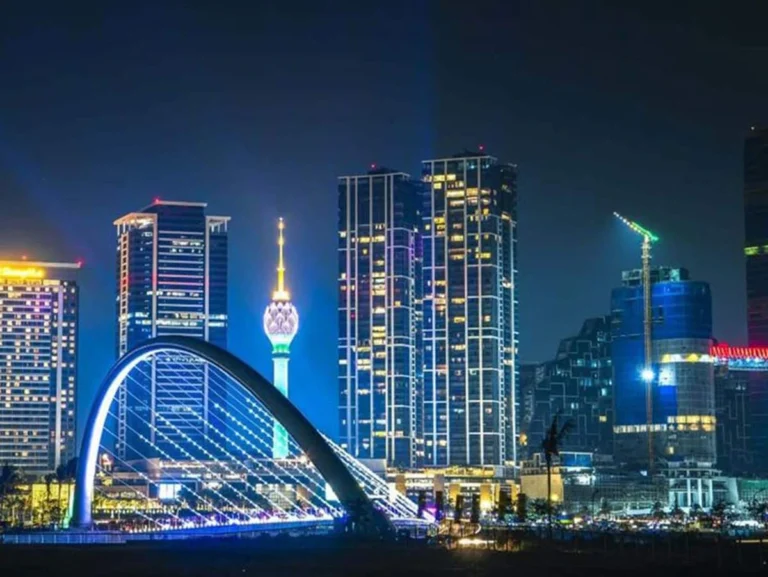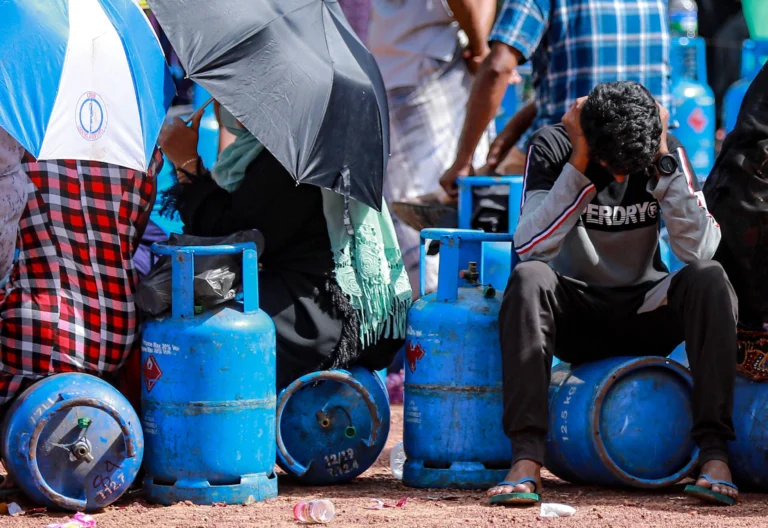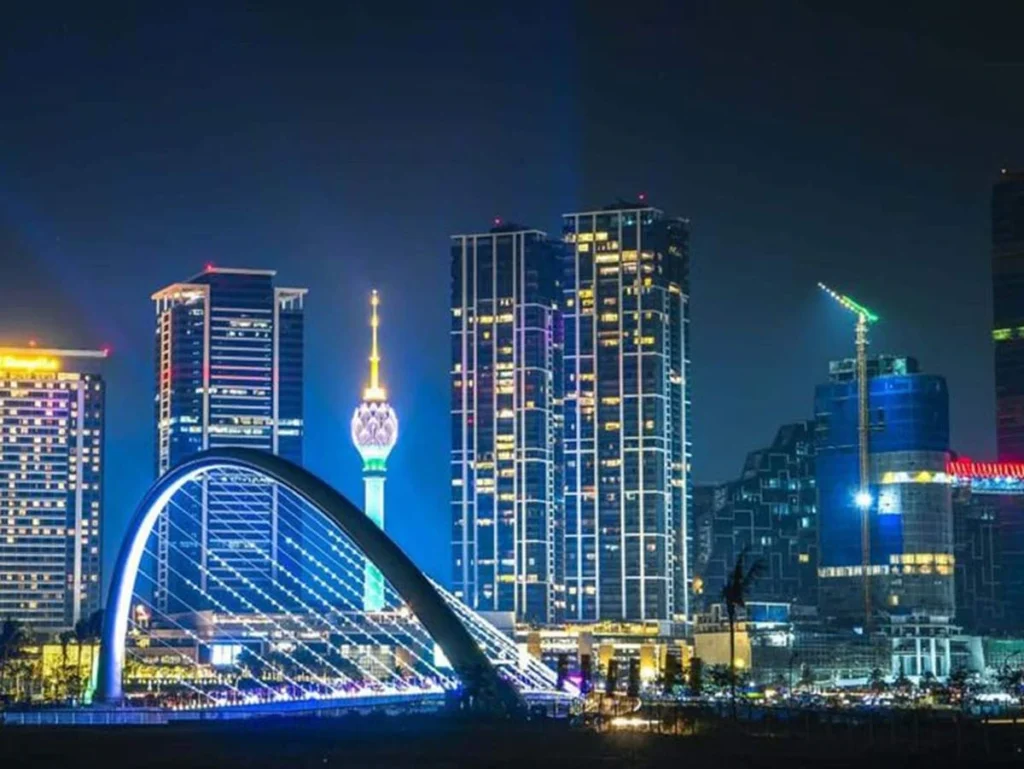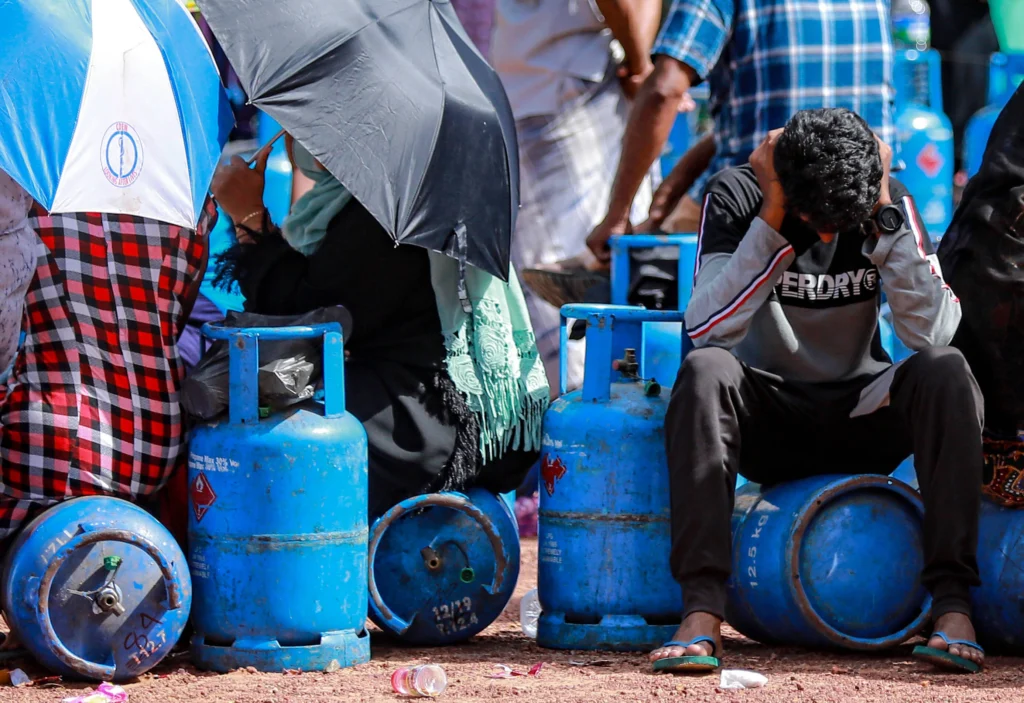

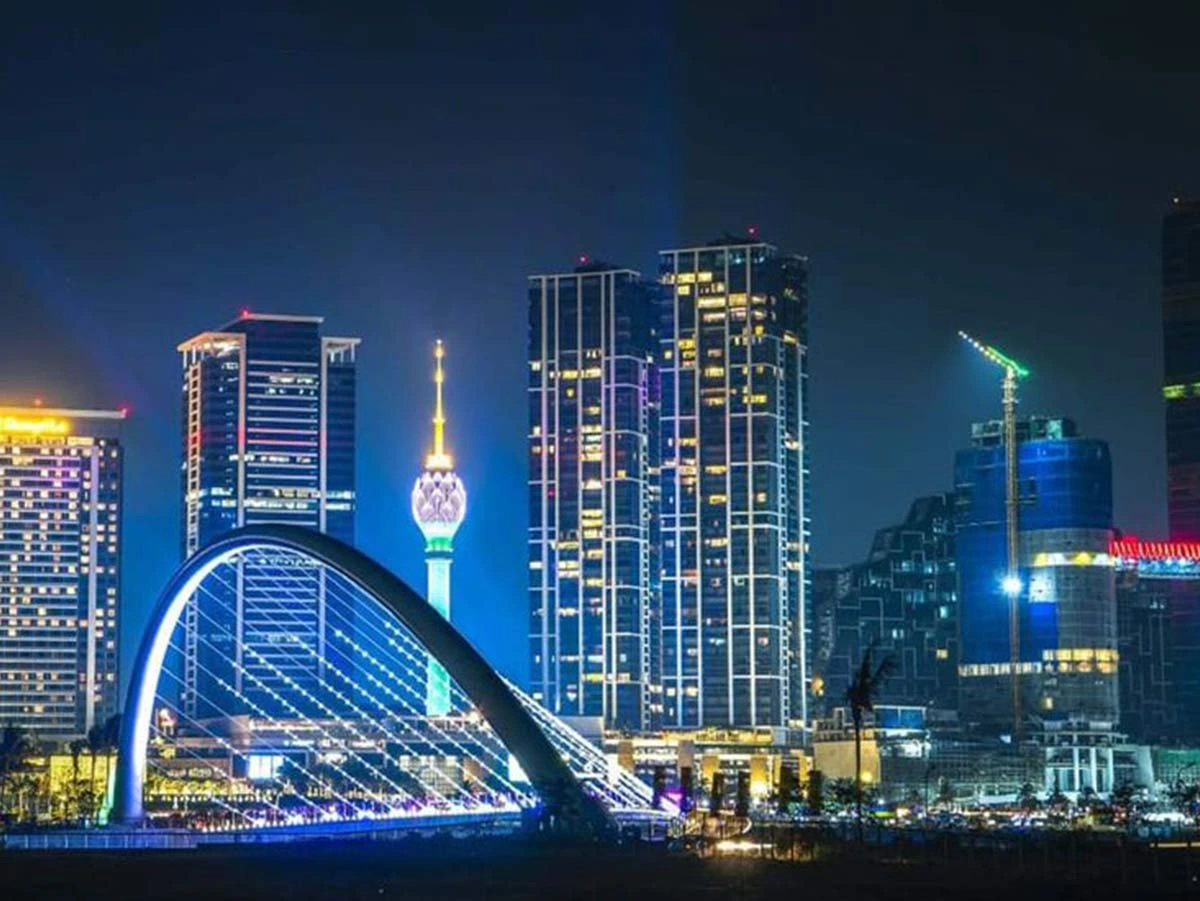
Sri Lanka Housing Affordability Crisis – Sri Lanka is experiencing severe housing affordability stress in 2026, with Colombo ranked as the world’s most unaffordable major city for homebuyers according to the latest Numbeo Property Investment Index. The city’s price-to-income ratio stands at approximately 55.1–55.3, meaning the average apartment would require over 55 years of a typical household’s entire income to purchase assuming no other expenses. This figure places Colombo ahead of traditionally expensive markets such as Manila, Kathmandu, Mumbai, and even Singapore in relative terms for local residents.
The data reflects a long-building problem that has now reached a critical point. Median house prices in Colombo and its suburbs have continued to climb while median incomes have lagged far behind. For many young professionals and middle-income families, the traditional dream of owning a home in their 30s has become an increasingly distant luxury. Instead, more people are staying with parents longer, turning to co-living arrangements, or delaying family milestones.
Also in Explained | Is the Rush Towards Alternative Mobility a Real Solution or Just a Crisis Reaction?
What the Numbers Reveal About Sri Lanka’s Housing Market
The extreme price-to-income ratio in Colombo is not an isolated statistic, it tells a broader story of supply constraints and cost pressures unique to Sri Lanka’s urban centres. Unlike many regional peers with similar income levels, Sri Lanka’s housing market offers limited supply options outside the Colombo metropolitan area. Most demand remains concentrated in Colombo and its immediate suburbs (Gampaha, Hanwella, Panadura, Homagama, Wattala, Ja-Ela), driving land and property prices higher.
Construction costs have risen sharply due to high import tariffs on key building materials and an oligopolistic structure in the domestic construction supply chain. These factors have kept new housing supply relatively tight, even as population and urban migration continue. Salaries, particularly in the private sector and for younger workers, have not kept pace with asset inflation, widening the gap between what people earn and what they can afford to buy.
Regional comparisons make the situation starker. Countries such as India and Thailand, with comparable average income levels, maintain more balanced housing markets because they have successfully expanded supply options beyond single mega-cities. Sri Lanka’s slower progress in developing secondary urban centres (Kandy, Galle, and emerging areas) has left most buyers competing for the same limited pool of properties in and around Colombo.
Why Young Professionals Are Feeling the Strain
The impact is most visible among young professionals. Many university graduates and early-career workers who once expected to buy their first home by their early 30s are now postponing that goal — or abandoning it entirely. This shift is contributing to changing living patterns: extended stays with parents, shared co-living spaces, and a growing preference for renting over buying.
The situation also affects broader life decisions. Delayed homeownership often correlates with postponed marriages, smaller families, and reduced long-term financial security. For a generation already navigating post-2022 economic recovery, high housing costs add another layer of uncertainty to future planning.
Structural Factors Driving the Sri Lanka Housing Affordability Crisis
Several interconnected issues explain why Sri Lanka’s housing affordability has deteriorated so sharply:
- Concentrated demand in Colombo: Most economic opportunities, jobs, and services remain centred in the capital, pulling people toward a relatively small geographic area.
- Rising construction and land costs: Import-dependent building materials, combined with limited competition in key supply segments, have driven up development expenses.
- Limited expansion of secondary cities: While Kandy, Galle, and some suburban corridors are showing gradual growth, infrastructure and job creation outside Colombo have not kept up, preventing meaningful supply relief.
- Expat and investor demand: Remittances and overseas buyers have added upward pressure on premium properties, making certain segments even less accessible to local buyers.
These factors have created a market where supply is constrained and prices remain elevated relative to local earning power.
The Road Ahead: Balancing Short-Term Relief and Long-Term Solutions
Housing affordability is a complex challenge that cannot be fixed overnight. However, the current crisis highlights clear areas for policy focus:
- Accelerating infrastructure development in secondary cities to spread demand and create new supply options.
- Reviewing import tariffs and market structures in the construction materials sector to lower building costs.
- Promoting public-private partnerships for affordable housing projects targeted at middle-income groups.
- Improving public transport and urban planning to make living further from Colombo more viable without sacrificing access to jobs and services.
In the meantime, many families are adapting through practical steps: exploring co-living or shared ownership models, prioritising location-efficient housing, and focusing on long-term financial planning that accounts for higher housing costs.
Sri Lanka’s housing affordability stress in 2026 is more than a statistic, it is a daily reality for thousands of young professionals and families. The data from Colombo’s extreme price-to-income ratio serves as a clear signal that the country must address supply bottlenecks and urban planning challenges if it wants to restore the possibility of homeownership for the next generation. Without meaningful action, the gap between aspiration and reality will only widen, affecting not just individual dreams but the country’s broader social and economic stability.
The conversation sparked by recent data is an opportunity to move from awareness to targeted solutions. Sri Lanka has shown resilience in other areas; applying that same determination to housing could help ease the burden and make homeownership a realistic goal once again.
Also in Explained | Why Does Sri Lanka Talk More About Recovery Than Productivity?
| Rank (table order) | City | Price to Income Ratio | Mortgage % of Income | Affordability Index |
|---|---|---|---|---|
| 1 | Colombo | 51.0 | 714.1 | 0.1 |
| 2 | Kathmandu | 39.6 | 465.3 | 0.2 |
| 3 | Manila | 37.5 | 360.9 | 0.3 |
| 4 | Taipei | 33.2 | 207.9 | 0.5 |
| 5 | Hanoi | 32.7 | 336.6 | 0.3 |
| 6 | Hong Kong | 31.6 | 226.8 | 0.4 |
| 7 | Shanghai | 31.5 | 214.9 | 0.5 |
| 8 | Phnom Penh | 31.4 | 317.2 | 0.3 |
| 9 | Mumbai | 31.2 | 324.7 | 0.3 |
| 10 | Xiamen | 30.9 | 214.7 | 0.5 |
| 11 | Ho Chi Minh City | 30.7 | 322.6 | 0.3 |
| 12 | San Salvador | 30.3 | 315.6 | 0.3 |
| 13 | Bangkok | 30.0 | 250.3 | 0.4 |
| 14 | Beijing | 29.7 | 204.9 | 0.5 |
| 15 | Algiers | 29.3 | 238.1 | 0.4 |
| 16 | Shenzhen | 29.1 | 205.1 | 0.5 |
| 17 | Tehran | 27.2 | 670.7 | 0.1 |
| 18 | Rawalpindi | 24.2 | 527.3 | 0.2 |
| 19 | Seoul | 23.9 | 173.4 | 0.6 |
| 20 | Singapore | 23.7 | 153.7 | 0.7 |