

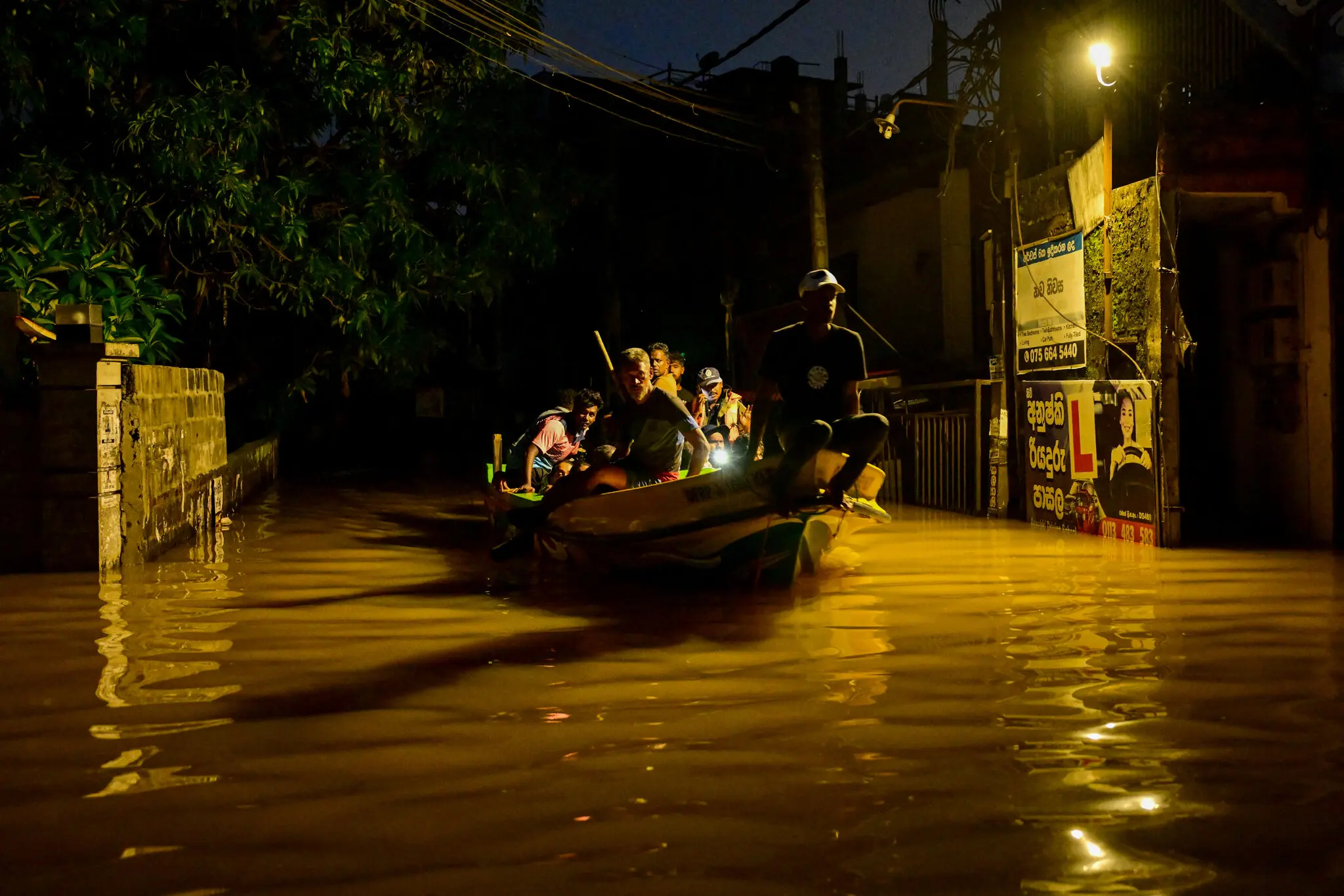
Cyclone Ditwah has done more than disrupt daily life. It has exposed the fragility of Sri Lanka’s infrastructure a system that buckles under pressure, collapses under intense rainfall, and leaves communities stranded when they most need protection. Flooded highways, submerged neighbourhoods, collapsing bridges, and paralysed transport networks are no longer occasional disasters; they are predictable outcomes of an infrastructure grid designed for a climate that no longer exists.
If Sri Lanka does not re-engineer its built environment now, every future weather event will become a national emergency.
An Infrastructure System Built for a Different Century
The country’s core infrastructure drainage lines, bridges, canals, stormwater systems, and road networks was never designed for extreme, rapid-onset rainfall. Much of Colombo’s drainage network dates back to the British era, with only minor patchwork added since.
Cyclone Ditwah made this painfully clear:
- Main roads were underwater within hours
- Major bridges failed or became unsafe
- Highways saw dangerous water accumulation
- Low-lying suburbs turned into flood basins
This is not simply because the rainfall was intense. It is because the infrastructure beneath our feet is outdated, poorly maintained, and chronically overburdened.
Urban Flooding: A Crisis Created by Neglect
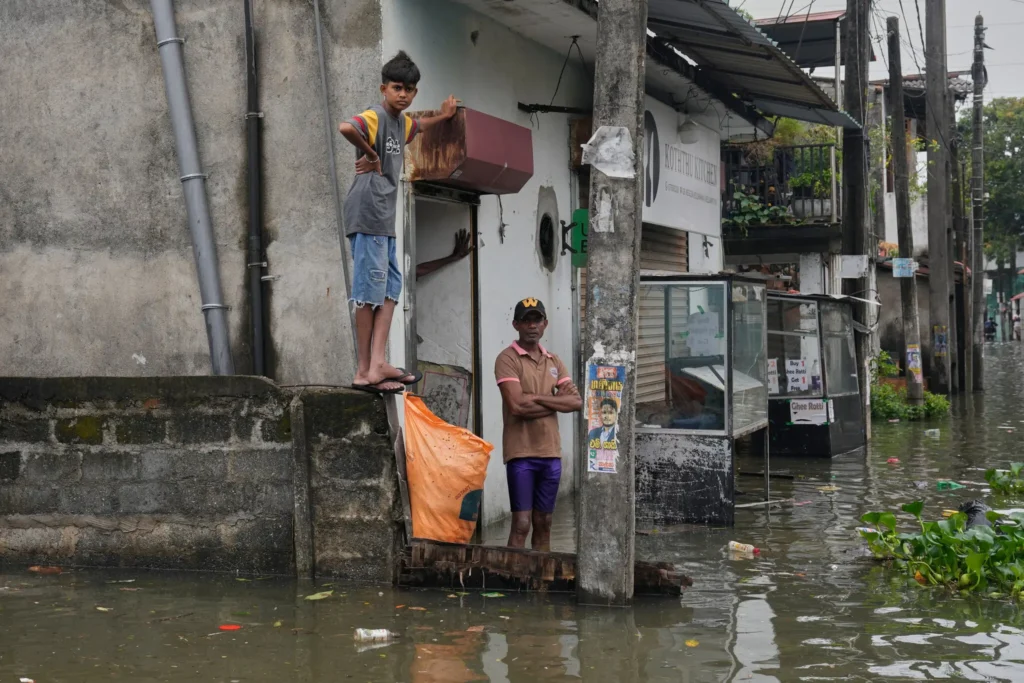
Colombo and the Western Province experienced some of the worst flooding during Ditwah. Yet the causes have been known for years:
- Outdated Drainage Systems
Systems designed 50–80 years ago cannot manage present-day rainfall levels. Stormwater drains clog easily due to limited capacity and poor grid design. - Illegal Constructions and Encroachments
Wetlands, canals, and marshes natural flood buffers have been filled or built over. Every building on a marsh pushes floodwater into a neighbouring area. - Poor Maintenance
Blocked culverts, silted canals, and debris-choked drains turn even moderate rainfall into flooding. Ditwah magnified what routine maintenance could have prevented. - Rapid Urbanisation
High-rise construction and paved surfaces reduce natural water absorption. Rain has nowhere to go except into roads and homes.
Landslides: The Cost of Unsafe Development
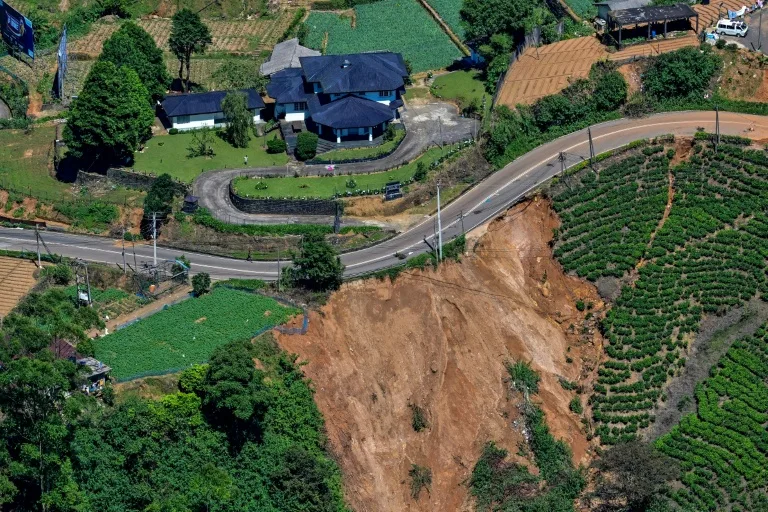
The hill country suffered severe landslides during Cyclone Ditwah, proving again that slope stability across central Sri Lanka is dangerously compromised.
Why landslides keep happening:
- Construction on steep, unreinforced slopes
- Deforestation reducing root support
- Poor soil management
- Heavy rainfall saturating unstable earth
- Inadequate monitoring systems
Despite known danger zones, unregulated building continues. Local authorities often lack expertise and resources to enforce land-use laws. The result is predictable: homes sliding off hillsides during rains, families buried under soil, and roads collapsing without warning.
Landslides are a product of ignored science and ignored warnings.
Transport Paralysis: When Roads Fail, Rescue Fails
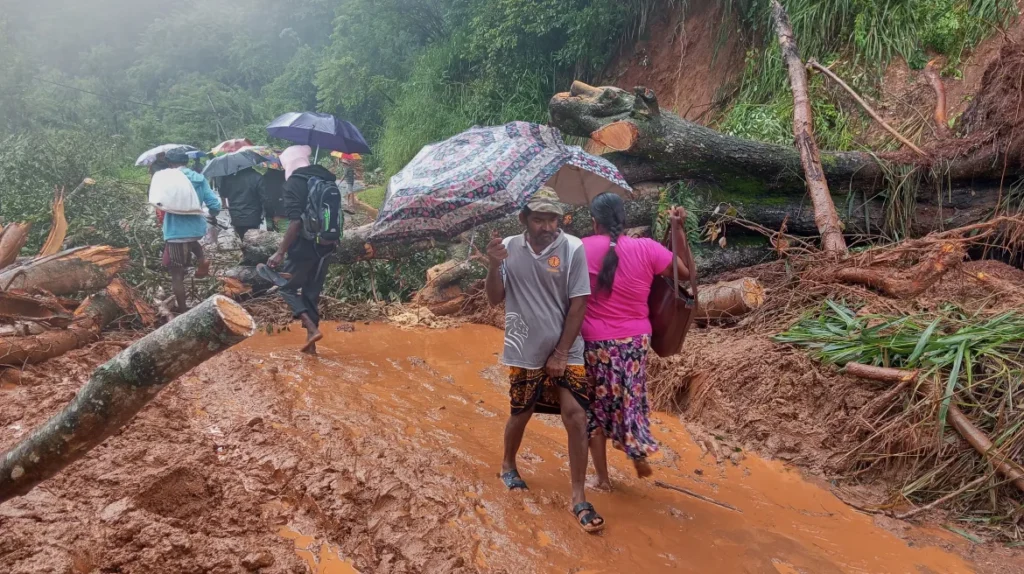
During Ditwah, rescuers struggled to reach several communities because:
- Roads collapsed
- Bridges became unsafe
- Key routes were blocked by fallen trees
- Highways were flooded and impassable
Transport infrastructure is the backbone of emergency response. When it collapses, rescue operations slow, supplies cannot move, and evacuation becomes dangerous.
Sri Lanka’s transport grid was not built for frequent climate shocks. Bridges, culverts, and causeways require modern engineering standards, not incremental updates.
The Missing Piece: Integrated River Basin Management
Sri Lanka’s river systems Kelani, Kalu, Nilwala, Gin are crucial to flood control. Yet chronic mismanagement of river basins amplified Ditwah’s flood damage.
Key failures include:
- Silted riverbeds reducing water capacity
- Sand mining destabilising banks
- Unregulated riverbank construction
- No continuous monitoring of river levels
- Inconsistent operation of spill gates
Without integrated basin management, rivers become unpredictable hazards rather than protective systems.
Wetlands: The Natural Defence Sri Lanka Is Destroying
Colombo’s wetlands once responsible for absorbing excess rain have been reduced significantly. Continued encroachment means floodwater has fewer places to go.
Protecting and restoring wetlands is not environmental activism; it is urban survival.
Climate Change Is Accelerating the Collapse
Sri Lanka is experiencing weather patterns far more intense than past decades:
- Extreme rain bursts
- Longer monsoons
- Faster cyclone formation
- Unpredictable storm tracks
Climate change is not a future risk; it is already reshaping Sri Lanka’s physical environment. Infrastructure built in the 20th century cannot defend the country against 21st-century climate realities.
What Modern Disaster-Proof Infrastructure Looks Like
To survive the climate era, Sri Lanka needs to adopt modern systems used in resilient cities worldwide:
- Smart Drainage Systems
Sensors to detect blockages and water levels in real time. Automated sluice gates to regulate flow. - Flood Retention Basins
Artificial lakes and underground tanks to collect excessive stormwater. - Green Infrastructure
Permeable pavements, green roofs, and restored wetlands to reduce water runoff. - Elevated Road and Bridge Designs
Structures built above historical flood levels. - Landslide Monitoring Networks
Slope sensors, warning sirens, and district-level geotechnical assessments. - Integrated River Basin Governance
A single authority responsible for rivers, spillways, floodgates, and dredging. - Climate-Adjusted Building Codes
Mandatory floodproofing, slope reinforcement, and storm-resistant design.
These systems are not luxuries. They are necessities.
Why Sri Lanka Has Not Implemented These Reforms
The obstacles are predictable:
- Poor coordination between agencies
- Limited technical expertise at local levels
- Budget constraints and competing priorities
- Resistance to resettlement from high-risk zones
- Weak enforcement of planning and zoning laws
But the cost of not acting is far greater.
A National Infrastructure Reform Plan Is Now Essential
Without a coordinated, long-term plan, each disaster will create cycles of destruction and rebuilding.
A credible national plan must include:
- A nationwide drainage and flood-mapping audit, identify all bottlenecks and high-risk zones.
- Priority funding for resilience infrastructure, not cosmetic upgrades, but structural redesigns.
- Strict enforcement of land-use and construction laws, especially in wetlands, riverbanks, and slopes.
- A unified disaster-infrastructure command center, real-time data, shared intelligence, coordinated action.
- Public–private partnerships for climate adaptation, bring engineering, tech, and financing into disaster resilience.
Conclusion: Infrastructure Defines Survival
Cyclone Ditwah proved that Sri Lanka’s infrastructure is dangerously outdated. Floods and landslides are natural phenomena, but the scale of destruction was man-made.
With climate shocks intensifying, this is a chance to rebuild smarter, stronger, and scientifically. Disaster resilience is no longer about temporary fixes; it is about re-engineering how the nation lives, builds, and prepares.
The next storm is inevitable. Infrastructure failure is not.
Ceylon Public Affair will continue to provide verified updates and policy analysis as the situation develops.
Also in Explained | After Cyclone Ditwah: What Sri Lanka’s Disaster Readiness Really Reveals
Also in Explained | Rebuilding After the Cyclone: What Sri Lanka’s Economy Needs Now