
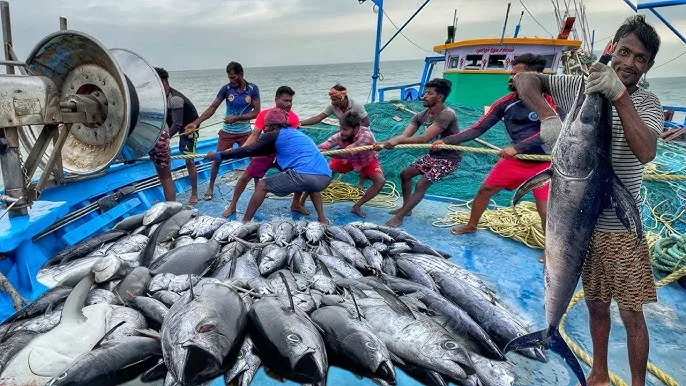
Sri Lanka’s fisheries sector, a cornerstone of the nation’s economy and food security, has received a timely policy intervention with the Cabinet’s recent approval of tariff reforms aimed at easing bait fish imports for the deep-sea fishing industry. Announced on December 23, 2025, these measures address a longstanding shortage of bait fish critical for long-line tuna fishing, while laying the groundwork for long-term domestic production growth. In an era of economic recovery and global trade challenges, this balanced approach underscores the government’s commitment to supporting export-oriented industries without compromising local livelihoods.
Also in Explained | Gold Prices in Sri Lanka on December 23, 2025: Latest Rates Amid Global Record Rally
The Critical Role of Deep-Sea Fishing in Sri Lanka’s Economy
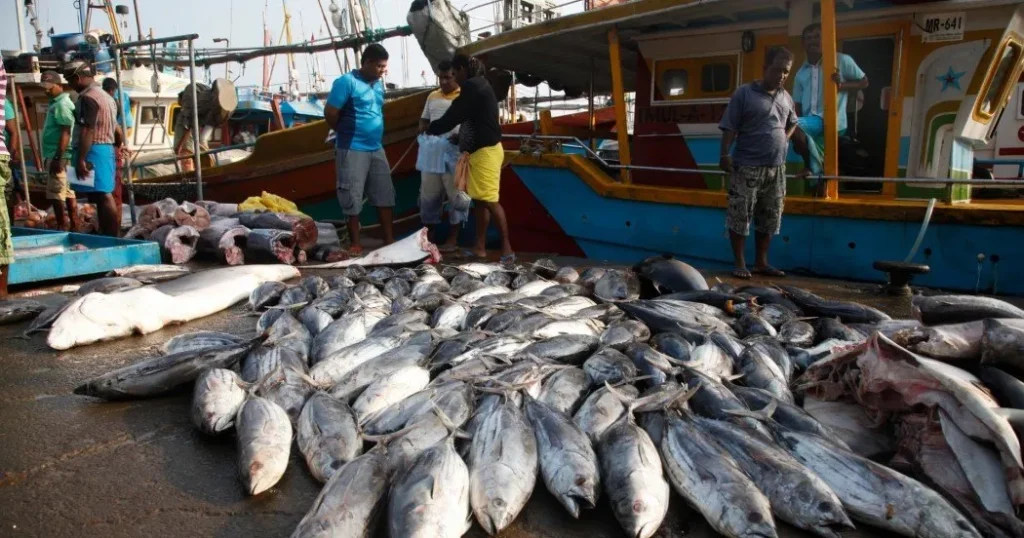
Sri Lanka’s marine fisheries contribute significantly to export earnings, employment, and nutrition. The deep-sea segment, dominated by multi-day vessels using long-line gear, targets high-value species like yellowfin and bigeye tuna, which command premium prices in international markets due to their quality and sustainable harvesting methods.
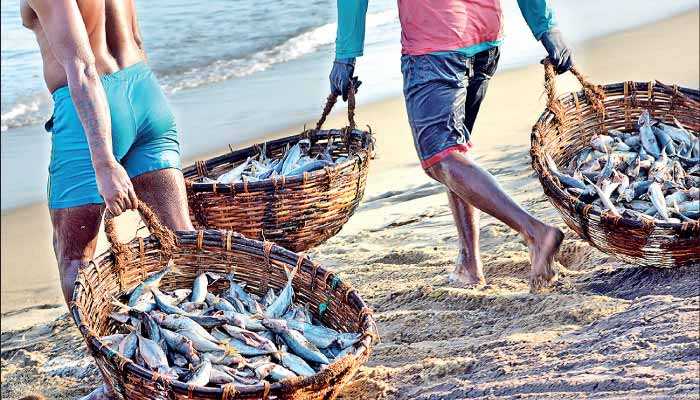
With approximately 2,200 multi-day vessels in operation, the sector requires around 8,000 tons of bait fish annually species such as milk fish, ribbon fish, flying fish, and cuttlefish. However, domestic supply meets only half this demand, at about 4,000 tons. This shortfall has constrained operations, reduced voyage durations, and impacted export revenues at a time when Sri Lanka is striving to expand merchandise exports, which grew 6.41% year-on-year to US$12.42 billion in the first eleven months of 2025.
Seafood exports, including frozen and fresh tuna, reached US$216.81 million from January to November 2025, up 1.87% from the previous year. Tuna remains a flagship product, with Sri Lanka supplying premium markets in the United States, Europe, and Japan. Sustaining this growth is vital for foreign exchange reserves and rural livelihoods, as the fisheries sector supports over 2.4 million people directly and indirectly.
Addressing the Bait Fish Shortage: Key Tariff Reforms
The Cabinet, responding to a proposal from the Minister of Fisheries, Aquatic and Marine Resources, approved a suite of targeted reforms:
- Creation of a Dedicated HS Code: A new Harmonized System (HS) code exclusively for milk fish imports, restricted to registered fishing societies. This ensures imports benefit genuine industry players and prevent misuse.
- Interim Tariff Relief on Milk Fish: Concessions on import duties until local production scales up, providing immediate cost relief for vessel operators.
- Revised Tax Structure for “Wekkaya” Fish: A special trade tax of Rs. 180 per kg, with a Rs. 130 per kg concession for registered societies, effectively reducing the rate to Rs. 50 per kg.
These measures are interim solutions designed to maintain fleet operations while encouraging private-sector investment in domestic milk fish aquaculture. As Cabinet Spokesman Dr. Nalinda Jayatissa emphasized, the reforms represent a “balanced approach” that supports sustainable practices, protects coastal communities, and boosts export potential.
Broader Challenges Facing the Fisheries Sector
While these reforms offer relief, the deep-sea fishing industry grapples with structural hurdles. Rising fuel costs, post-COVID supply chain disruptions, and climate change impacts, such as shifting fish migration patterns—have increased operational expenses. Overfishing in coastal waters has pushed more vessels offshore, intensifying bait demand.
Moreover, Sri Lanka’s reliance on imports for certain inputs highlights vulnerabilities in global trade dynamics. The sector’s contribution to GDP remains modest at around 1.9%, despite its export significance. Enhancing value addition through better cold chains, EU-compliant processing (with 32 approved plants operational), and vessel upgrades could elevate earnings further.
Opportunities for Sustainable Growth and Self-Sufficiency
The government’s long-term vision aligns with national priorities for blue economy development and sustainability. Initiatives to boost local milk fish production through public-private partnerships echo earlier efforts, such as the 2017 project to cultivate milk fish as bait. Successful scaling could reduce import dependence, lower costs, and create new jobs in aquaculture.
International commitments, including Vessel Monitoring Systems (VMS) on high-sea vessels and participation in Fishery Improvement Projects (FIPs) for tuna, position Sri Lanka favorably in premium markets demanding traceability and eco-friendly practices. With global demand for sustainable seafood rising, these reforms could catalyze investment in modern fleets and post-harvest infrastructure.
Why This Matters for Sri Lanka’s Economic Recovery
In 2025, as Sri Lanka navigates post-crisis recovery with merchandise exports projected to drive growth—these tariff adjustments signal proactive policymaking. By easing input costs for an export-earning sector, the government reinforces its strategy to diversify earnings beyond traditional commodities like tea and garments.
For fishing communities, the concessions channeled through registered societies ensure benefits reach grassroots levels, fostering inclusivity. Coupled with ongoing efforts to modernize harbors, enhance aquaculture, and combat illegal fishing, this policy paves the way for resilient growth.
Sri Lanka stands at a pivotal moment: leveraging its oceanic resources responsibly can transform fisheries into a engine of inclusive prosperity. The recent Cabinet decisions are a step in the right direction targeted, pragmatic, and forward-looking.
Ceylon Public Affairs remains committed to analyzing policies that drive sustainable economic progress in Sri Lanka. For more insights on trade reforms, export strategies, and sectoral resilience, stay tuned.
Also in Explained | World Bank’s $120 Million Emergency Support: What It Means for Sri Lanka’s Recovery and Public Confidence