
A 16 November 2025 investigation by The Bureau of Investigative Journalism (TBIJ) and The Times has revealed that a Sri Lankan operator ran a network of 128 Facebook pages with a combined 1.6 million followers that systematically pumped Islamophobic and anti-migrant content into British feeds for pure profit.
The operation earned an estimated US$300,000 from Meta’s advertising programmes while the operator openly taught 2,500 paying students how to replicate the model.
This is no longer just a story about one greedy individual. It is the clearest example yet of how the global disinformation economy now runs through Colombo bedrooms and how Sri Lanka has become an outsourcing hub for weaponised rage.
The Mechanics of a Modern Content Farm
The operation consisted of 128 pages with patriotic British names (“Britain First”, “Proud Britons”, etc.) that posted up to 40-50 items per day. The content mix was calculated:
- Fake videos of migrant boats “crashing” into fishing vessels
- Fabricated stories claiming Labour politicians “celebrated” terrorist attacks
- Doctored images of Muslim “no-go zones” in Birmingham and Manchester
- False reports that Keir Starmer or Sadiq Khan had been arrested
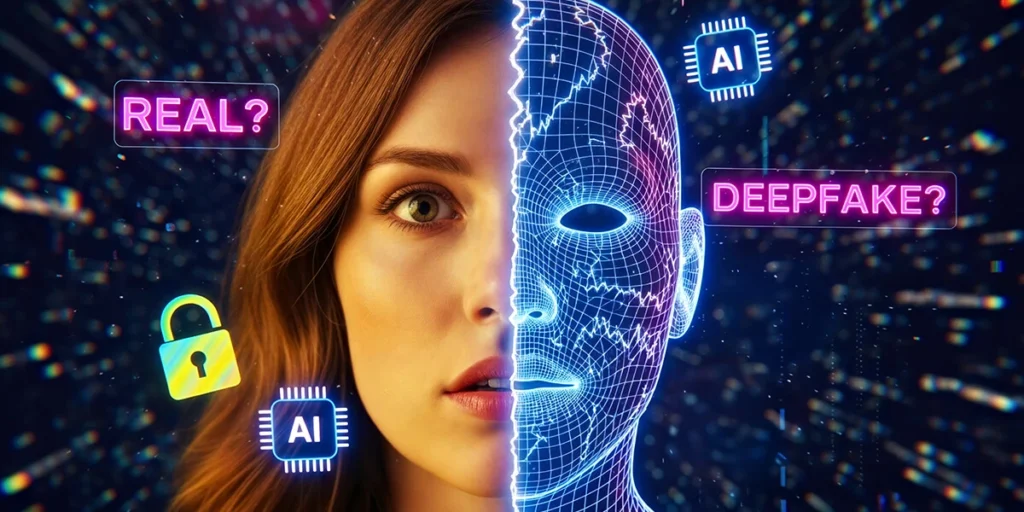
All of it generated with ChatGPT for text, Midjourney or similar for images, and AI video tools for “breaking news” clips that looked convincingly real.
The business model was brutally simple: British political anger = high engagement = Meta bonus payments + in-stream ads. Meta paid creators bonuses for reaching certain view thresholds and additional revenue every thousand views. When riots broke out in the UK in summer 2024, the operator openly celebrated to students that the pages were “printing money”.
From Colombo to Colombo: Teaching the Trade
What makes this case particularly disturbing for Sri Lanka is that the operator did not keep the formula secret. An online academy was established with 2,500 enrolled students almost all Sri Lankan who paid for courses titled things like “UK Trigger Points Masterclass”.
Course materials seen by investigators include:
- Lists of the exact topics that reliably go viral in Britain (immigration, Islam, grooming gangs, benefits fraud)
- Templates for fake news headlines proven to get 100k+ reach
- Step-by-step guides on using VPNs to appear British and avoid detection
- Advice on which AI voices sound most “authentic” for British audiences
One leaked lecture slide reads: “Never post about Sri Lanka. UK audience doesn’t care. Only UK politics = maximum money.”
Meta’s Complicity and Half-Hearted Clean-Up
After being contacted by TBIJ, Meta removed many of the flagged pages and demonetised others. Yet the company disputed the $300,000 revenue estimate, claiming it was “significantly overstated” without providing its own figure.
This follows a familiar pattern. Meta’s content moderation teams are notoriously understaffed for non-English languages, but they also appear blind to coordinated inauthentic behaviour when it is in English and highly profitable.
Experts at the Institute for Strategic Dialogue told investigators that AI now allows a single operator to produce ten times more disinformation than was possible in 2020. The financial incentives have not changed; only the speed and scale have.
Why This Matters for Sri Lanka
Sri Lanka’s international image is already battered by economic crisis, debt default, and political instability. Now we must add “global supplier of race-baiting content” to the list.
Every time a British rioter cites a fake story about Pakistani grooming gangs or migrants attacking pensioners, the original source code was likely written in a Colombo suburb. This is the digital equivalent of blood diamonds profit extracted from foreign conflict, with the human cost borne entirely elsewhere.
The fact that thousands of young Sri Lankans are being trained to exploit foreign divisions for dollars reveals something deeply rotten in our online economy. When legitimate remote work remains scarce, the path of least resistance becomes rage-farming white British Facebook users.
A Wake-Up Call We Cannot Ignore
This exposure should force multiple conversations in Sri Lanka about digital ethics, the real cost of “entrepreneurship at any cost”, and our responsibility as a nation when our citizens weaponise social media against vulnerable communities abroad. The money may flow back to Colombo, but the damage radiates outward and eventually, it will come back to us.

Stay informed about how national policies affect your daily life. Follow CeylonPublicAffairs.com for analysis that prioritizes ordinary citizens’ perspectives over political rhetoric and economic jargon.