

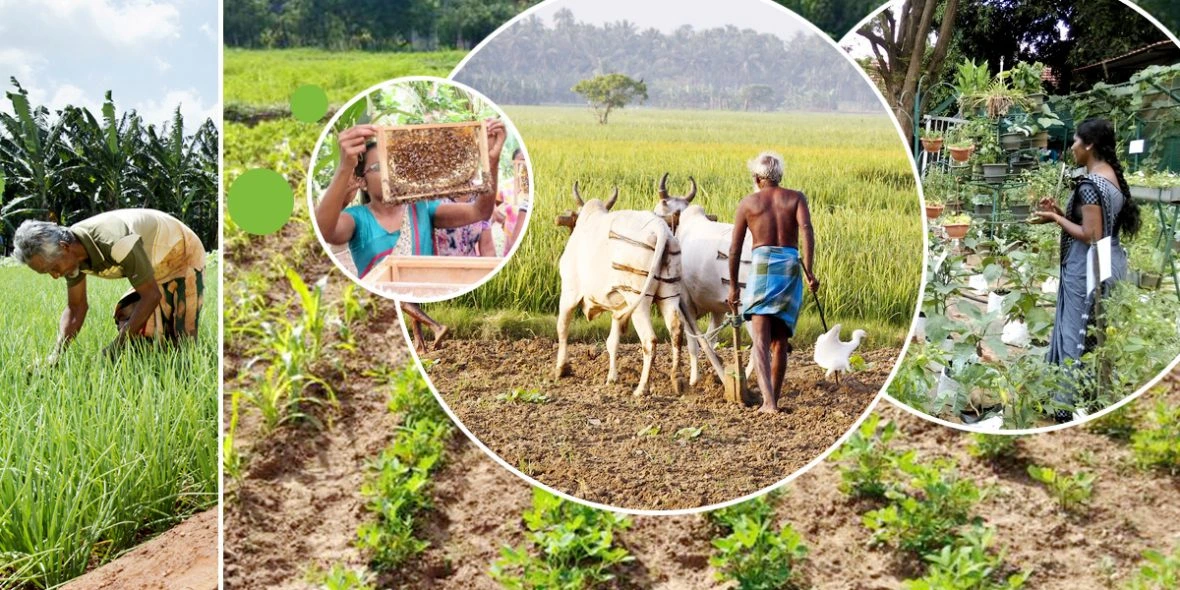
Sri Lanka’s agriculture sector remains a cornerstone of the national economy and cultural identity in 2026. From vast tea estates in the hills to coconut groves along the coast and paddy fields in rural heartlands, farming sustains millions while driving significant exports. Tea, rubber, and coconut products continue to earn valuable foreign exchange, supporting livelihoods and growth. Yet, changing weather patterns; erratic rains, prolonged dry spells, and intense storms, pose ongoing challenges, affecting crop yields and farmer incomes.
From a public perspective, ordinary Sri Lankans, farmers tending fields, families relying on affordable food, or consumers enjoying global favorites like Ceylon tea view agriculture with pride and concern. Exports bring prosperity, but climate variability impacts daily life through higher prices or disrupted supplies. This analysis draws on verified data to explore the sector’s contributions, climate effects, and practical adaptation paths that communities and policymakers can pursue together.
Also in Explained | Public-Private Partnerships: Catalyzing Sri Lanka’s National Growth and Export Industries in 2026
The Vital Role of Agriculture and Export Performance
Agriculture employs about one-quarter of the workforce and contributes around 7-8% to GDP, based on recent estimates from the Department of Census and Statistics and Central Bank reports. In 2025, the sector showed resilience, with growth in key areas despite challenges.
Major exports highlight strengths. Coconut-based products surpassed $1 billion in earnings during 2025, with projections nearing $1.2 billion. Tea exports approached $1.5 billion, maintaining Sri Lanka’s position as a premium global supplier. Rubber and related items also recorded gains, contributing to overall merchandise exports exceeding $14 billion in the first ten months of 2025.
These figures reflect dedicated efforts: plantation workers ensuring quality harvests, smallholders innovating practices, and exporters meeting international standards. For households, export success means jobs in processing, transport, and packaging rippling benefits to communities. Tea pluckers in upcountry estates or coconut farmers in coastal areas often tie family stability to these industries.
Public sentiment appreciates this foundation: agriculture not only feeds the nation but connects Sri Lanka to world markets, earning recognition for pure Ceylon tea and versatile coconut products.
Climate and Weather Impacts: Growing Pressures on Farming
Sri Lanka’s tropical climate has always featured monsoons, but recent patterns show increased variability. World Bank analyses estimate potential economic losses from climate change at 3.3-3.5% of GDP annually if unaddressed, with agriculture particularly vulnerable.
In late 2025, Cyclone Ditwah brought devastating floods, affecting crops, livestock, and rural livelihoods. Heavy rains disrupted paddy cultivation and plantation sectors, reducing outputs in affected areas. Earlier dry spells strained water resources for irrigation, impacting yields in dry zones.
Rising temperatures and shifting rainfall affect key crops: tea quality in highlands, coconut production in lowlands, and rice in wet zones. Erratic weather leads to lower harvests, higher input needs, and income uncertainty for farmers.
From community views, these events feel personal. Farmers face tough seasons with flooded fields or withered plants; families see vegetable prices rise after storms. Smallholders, often with limited buffers, adapt daily—adjusting planting or seeking off-farm work. Yet resilience shines: communities share resources, drawing on traditional knowledge alongside modern insights.
Public Perspective: Livelihoods, Food Security, and Hope
Ordinary Sri Lankans experience agriculture’s dual nature vividly. Export triumphs mean pride, seeing Ceylon tea on global shelves or coconut oil in international products. Rural families value farming’s cultural roots, passing techniques across generations.
Climate challenges, however, touch daily realities. Crop losses strain budgets; disrupted supplies affect markets, raising costs for staples like rice or vegetables. Plantation workers endure harsher conditions during extremes, while urban consumers note fluctuating prices.
Conversations in villages or markets often blend concern with determination: “We manage through tough weather, but support for better methods would help.” Youth see opportunities in sustainable farming, blending tradition with innovation. Overall, the public hopes for balanced progress protecting export strengths while building resilience against weather variability.
Pathways to Resilience: Practical Adaptation Strategies
Sri Lanka advances climate-smart approaches, offering actionable ways forward. The national Climate Smart Agriculture Investment Plan provides a blueprint for resilient development, emphasizing practices that enhance productivity amid changing conditions.
Key strategies include:
- Crop diversification and resilient varieties – Introducing drought-tolerant rice or heat-resistant tea clones helps stabilize yields. Farmers experimenting with intercropping or alternate crops like spices report better outcomes.
- Improved water management – Efficient irrigation, rainwater harvesting, and soil conservation reduce dry spell impacts. Community tanks and drip systems support smallholders effectively.
- Sustainable practices – Organic methods, agroforestry, and reduced chemical use build soil health. These align with export demands for eco-friendly products, adding market value.
- Technology and information – Weather forecasting apps, extension services, and early warning systems empower decisions. Digital tools help track conditions, optimizing planting.
- Insurance and support – Crop insurance schemes cushion losses; access to credit aids recovery investments.
Public involvement drives success: farmer cooperatives sharing seeds, community training programs, and local initiatives promoting these methods. Government and international partnerships support scaling—through projects like UNDP adaptations or FAO collaborations.
Individuals contribute too: home gardens for food security, conserving water, or supporting sustainable brands.
Toward a Sustainable Agricultural Future
Sri Lanka’s agriculture in 2026 embodies resilience: robust exports fueling growth amid climate tests. Tea, coconut, and rubber earnings, exceeding billions sustain livelihoods, while foundational food production nourishes communities.
Weather challenges persist, but adaptation paths offer hope. Embracing climate-smart practices; diversification, efficient resources, technology strengthens the sector for farmers and exporters alike.
From public eyes, the way forward lies in collaboration: supporting innovations that protect yields, enhance competitiveness, and secure futures. As families tend fields or enjoy harvest fruits, collective efforts can ensure agriculture thrives delivering prosperity despite variability.
In villages sharing monsoon stories or markets bustling with produce, optimism endures: thoughtful adaptations preserve this vital heritage for generations.
Also in Explained | Sri Lanka’s Digital Economy in 2026: Building Public Trust Amid Rapid Growth and Everyday Risks