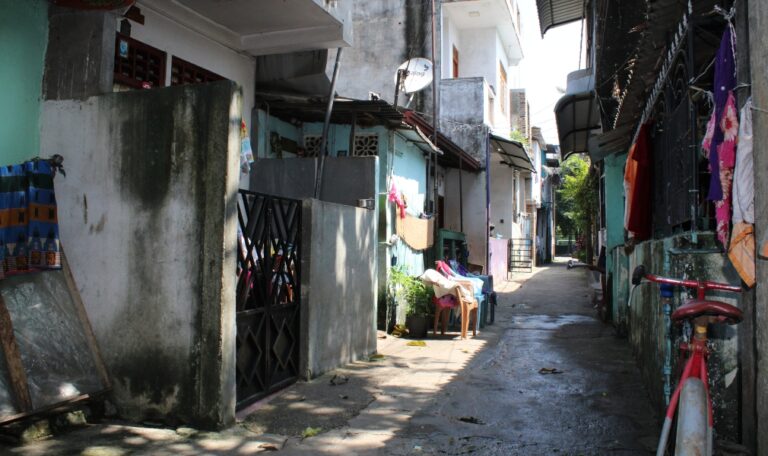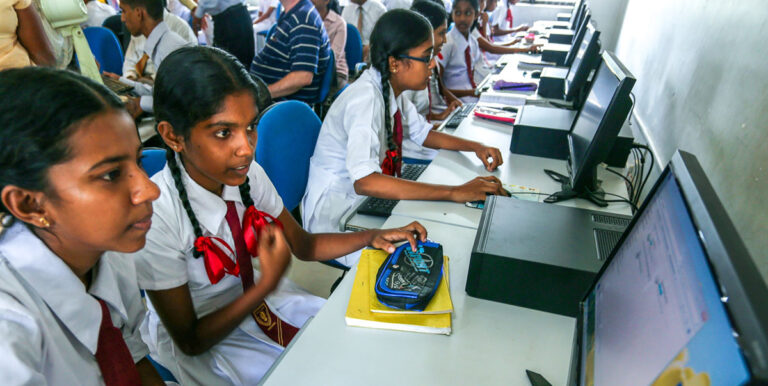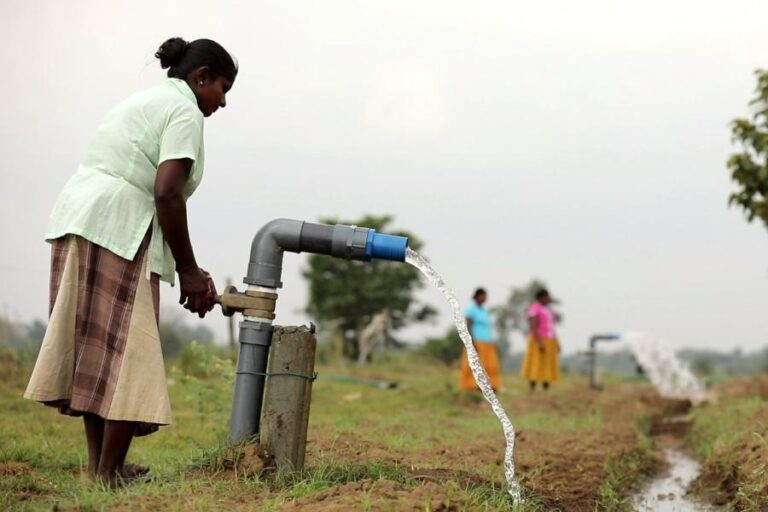

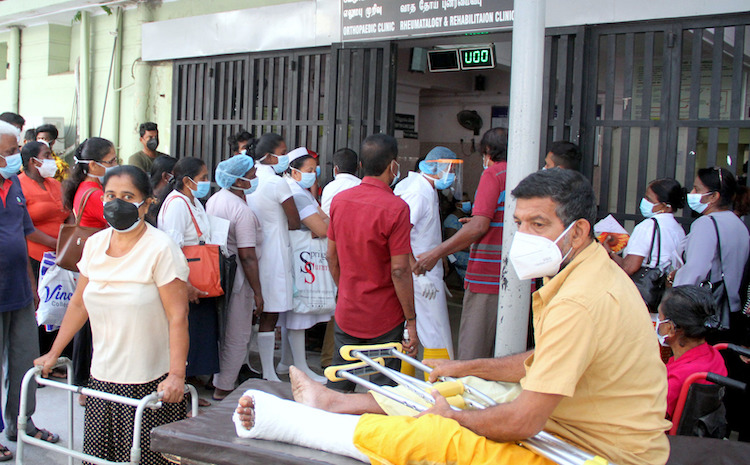
Sri Lanka has confronted multiple public health crises in recent years; the COVID-19 pandemic, recurrent dengue outbreaks, chronic kidney disease of unknown cause (CKDu), and the health consequences of Cyclone Ditwah in late 2025. Each event tested the system and delivered hard lessons on surveillance, coordination, and rapid response. Yet the deeper question remains: is the country truly prepared for the next public health emergency? While notable advances have been made in plans, training, and policy, critical gaps in infrastructure, workforce readiness, and equitable access persist. Public health preparedness and emergency response require more than reactive improvements they demand sustained investment, systemic reform, and a pragmatic focus on resilience to protect public safety when the next threat emerges.
The distinction matters. A healthcare system that performs adequately in normal times can falter under sudden pressure, turning manageable events into widespread crises. Sri Lanka’s recent experience shows both genuine progress since COVID-19 and the cautionary reality that preparedness remains incomplete.
Also in Explained | What Are the Hidden Costs of Public Sector Cuts on Citizens?
The Allure of Post-Crisis Improvements in Sri Lanka’s Discourse
National dialogue highlights visible steps forward. The National Action Plan for Health Security (NAPHS) 2024–2028 incorporates COVID-19 lessons and aligns with International Health Regulations (IHR) core capacities. In February 2026, the Ministry of Health and WHO conducted intensive training on chemical and biological emergencies, producing a 5-Year Roadmap for health emergency workforce development. The inaugural meeting of the Unified Health Preparedness and Response (UHPR) Secretariat was convened, alongside the launch of the National Policy on Infection Prevention and Control (2026–2035), the National Strategic Plan on Healthcare Quality and Safety (2026–2030), and the National Action Plan on Medication Safety (2026–2030).
These initiatives are presented as evidence of a stronger, more coordinated system. The National Health Emergency Operation Centre (HEOC) has been active in recent responses, and the 2026 budget includes significant health infrastructure investments, including modernisation of base hospitals and new primary care centres. Such narratives reassure citizens and international partners that lessons have been learned and systems are being strengthened.
Yet these advances, while real, often measure planning and policy outputs rather than operational readiness under stress. Citizens and frontline workers experience the difference when emergencies test actual capacity.
Understanding Public Health Preparedness: The Foundation of Effective Emergency Response
Public health preparedness encompasses the ability to prevent, detect, respond to, and recover from health threats through robust surveillance, laboratory networks, trained workforce, supply chains, and multisectoral coordination. It follows the One Health approach — linking human, animal, and environmental health — and meets IHR core capacities for rapid risk assessment, risk communication, and resource mobilisation.
Effective emergency response requires not only plans on paper but tested systems: functional emergency operation centres, prepositioned stockpiles, digital surveillance tools, and equitable access across urban, rural, and estate communities. Without these foundations, even well-intentioned policies leave populations vulnerable. Healthcare system resilience is measured by how quickly and equitably services continue during crises, not just by nominal coverage in normal times.
Sri Lanka’s Preparedness: Notable Progress but Incomplete Readiness
Official indicators confirm meaningful steps. The NAPHS 2024–2028 provides a structured, costed framework for closing IHR gaps. Recent workforce training (February 2026) and the UHPR Secretariat demonstrate active multisectoral engagement. The HEOC has coordinated responses to recent events, and infrastructure projects in the 2026 budget aim to strengthen primary and secondary care.
The system also benefits from prior experience: COVID-19 response built surge capacity in testing, contact tracing, and vaccination, while Cyclone Ditwah tested integrated humanitarian-health coordination. These experiences have informed updated policies on infection prevention and quality of care.
Yet readiness remains uneven. Workforce shortages, rural infrastructure limitations, and supply-chain vulnerabilities persist. Laboratory capacities for rapid detection and food safety remain areas flagged for strengthening in NAPHS documents. While urban centres fare better, estate and dry-zone communities face delays in detection and response, as seen in past outbreaks.
The Preparedness Gap: Evidence from Infrastructure, Workforce and Response Plans
Data reveal a consistent pattern of partial readiness. The health emergency workforce roadmap (February 2026) acknowledges gaps in specialised training for chemical, biological, and radiological threats. Hospital-level disaster preparedness studies continue to highlight insufficient basic requirements for surge capacity, especially in rural facilities. Surveillance systems have improved but still struggle with real-time data integration across sectors.
Response plans exist including the updated NAPHS and Strategic Framework for Health Sector Emergency/Disaster Preparedness yet implementation faces funding and coordination challenges. The 2025 Cyclone Ditwah response required significant external humanitarian support for health, WASH, and nutrition, indicating that domestic surge capacity is not yet self-sufficient for large-scale events.
Rural-urban and estate disparities compound the issue. Primary care centres and community-level surveillance remain underdeveloped in high-risk areas, while workforce emigration and recruitment constraints limit frontline staffing. These gaps mean that while the system can mount a response, it often does so with delays, higher costs, and uneven protection for vulnerable groups.
Why Gaps Persist: Policy and Resource Realities
Several factors explain the distance between policy ambition and operational readiness. First, fiscal constraints under the IMF programme have prioritised macroeconomic stability, limiting rapid scaling of health emergency budgets. Second, fragmented coordination across ministries slows multisectoral action despite One Health commitments. Third, the legacy of the economic crisis delayed infrastructure maintenance and workforce development, creating backlogs that 2026 investments are only beginning to address.
Political and media focus naturally shifts to immediate stabilisation and recovery, while longer-term preparedness — stockpiles, simulation exercises, and rural lab networks — receives less sustained attention. Implementation of existing plans often lags due to capacity and financing shortfalls.
Risks of Inadequate Preparedness for Sri Lanka’s Future
The consequences of remaining under-prepared are clear and cautionary. A new outbreak or climate-driven health emergency could overwhelm hospitals, disrupt supply chains, and widen inequities. Delays in detection and response increase mortality, economic losses, and public distrust. Vulnerable populations — the elderly, estate workers, rural poor, and children — would face disproportionate harm, while tourism, agriculture, and overall recovery momentum suffer.
In a region prone to zoonotic diseases, climate impacts, and global health threats, incomplete preparedness risks turning manageable events into national crises that erode hard-won fiscal and social gains.
A Forward-Looking Policy Shift: Building Genuine Resilience
Strengthening preparedness requires pragmatic, sustained action on three fronts.
First, fully operationalise and resource the NAPHS 2024–2028 and UHPR framework. Conduct regular simulation exercises, update stockpiles, and integrate digital surveillance tools for real-time decision-making.
Second, invest in workforce and infrastructure equity. Accelerate the 5-Year Roadmap for health emergency workforce development, prioritise rural and estate staffing incentives, and expand primary care and laboratory networks to close urban-rural gaps.
Third, embed accountability and multisectoral coordination. Establish transparent monitoring of IHR core capacities with public reporting, strengthen One Health collaboration across ministries, and secure sustainable domestic and international financing for preparedness.
Fiscal policy can support this by ring-fencing emergency health funds within the budget while leveraging partnerships for technical and financial support. International experience shows that countries investing consistently in tested systems achieve faster containment and lower overall costs.
Sri Lanka possesses experienced institutions, a dedicated health workforce, and updated policy frameworks. These assets position the country well — provided execution matches ambition.
Conclusion
Sri Lanka has made commendable progress since the COVID-19 pandemic, updating plans, launching new policies in 2026, and investing in workforce training and infrastructure. Celebrating these steps is appropriate and necessary. Yet the national conversation must adopt a pragmatic, cautionary lens: current readiness, while improved, is not yet sufficient for the next public health emergency.
Public health preparedness and emergency response depend on tested infrastructure, skilled personnel, and equitable systems that function under pressure. By addressing remaining gaps in workforce capacity, rural access, and operational coordination, Sri Lanka can move from reactive resilience to proactive protection. The investments and reforms beginning in 2026 offer a critical window; using them decisively will determine whether the country is truly prepared when the next threat arrives. Protecting public safety is not a one-time achievement, it is an ongoing national responsibility that demands sustained focus, resources, and accountability.
Also in Explained | Can Sri Lanka’s Education System Truly Prepare Kids for the Future?