
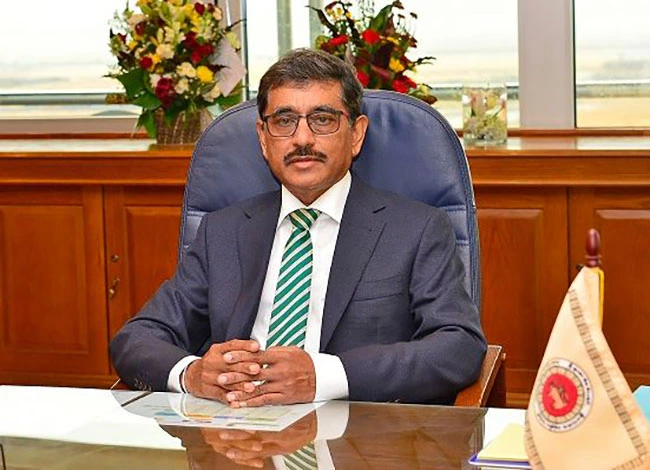
In our previous article, we explained the fundamentals of inflation and its effects on everyday prices. While low and stable inflation signals macroeconomic progress, it does not always translate to immediate relief for households with living costs. Recent statements from Central Bank of Sri Lanka (CBSL) Governor Dr. Nandalal Weerasinghe dismiss concerns about a future debt crisis, emphasising successful management and sustainable paths ahead. Yet many citizens continue to feel the pinch of elevated prices for essentials.
For average Sri Lankans a street vendor buying wholesale rice, a factory worker purchasing fuel for commuting, a parent budgeting for children’s milk and school supplies, or a retiree managing medicine costs the gap between official indicators and daily realities remains wide. Prices have stabilised after 2022 peaks, but absolute levels stay high, and incomes recover slowly for many.
This article examines the Governor’s February 2026 remarks on “2028 debt phobia,” verified debt servicing data, current low inflation, persistent high price levels, ongoing economic struggles, and what this means for citizens.
Also in Explained | What is Inflation And How Inflation is Measured?
Governor Dismisses 2028 Debt Concerns
At a Ceylon Chamber of Commerce event in early February 2026, Governor Weerasinghe rejected fears of debt pressures around 2028–2030, when restructured repayments increase. He described such narratives as “completely misguided misperception” that could unnecessarily erode investor confidence.
Key points:
- No reason for another restructuring or default.
- Such talk creates doubt among lenders and investors.
An upcoming Finance Ministry call with International Sovereign Bond (ISB) holders on 11 February 2026 aims to reinforce this positive outlook.
Successful 2025 Debt Servicing
The Governor highlighted 2025 as a practical demonstration of capacity. External debt service totalled approximately $2.5 billion ($2.45 billion precise full-year due), with $1.36 billion paid in the first half alone covering obligations smoothly.
Restructuring progress: By end-2025, 94% of creditor agreements concluded, resuming multilateral flows. Consistent repayments to international institutions maintained credibility.
Future projections: Annual servicing averages $2.75 billion through 2027, rising to $3.2–3.5 billion (peaks near $4 billion) from 2028. CBSL targets gross reserves of $8–10 billion in the next two years to buffer these comfortably.
The Governor stated firmly: Sri Lanka will commence scheduled repayments without crisis.
Low Inflation but Elevated Price Levels
Headline inflation, per the Colombo Consumer Price Index (CCPI), rose slightly to 2.3% year-on-year in January 2026 up from 2.1% in December 2025 but still low historically. Food inflation contributed at 3.3%, with a 0.59% month-on-month CCPI increase.
This low rate reflects stabilised exchange rates, better supplies, and prudent policy preventing the hyperinflation spirals of 2022.
However, low inflation measures the rate of price increase, not absolute levels. The CCPI index stood at around 197 in January 2026, meaning prices for the consumer basket remain far above pre-crisis norms. Essentials like rice, vegetables, fuel, and utilities though rising slowly stay at elevated plateaus after sharp 2022–2023 jumps.
Deflation (falling prices) is rare and often signals weakness; prices rarely drop significantly post-spike.
Ongoing Struggles for Many Citizens with High Living Costs
Despite macro stability, many households continue facing hardships:
- Poverty levels: World Bank data (October 2025) shows poverty declining but still twice 2019 rates, with slow labour market recovery.
- Income lags: Many have not regained pre-crisis real wages or employment quality, while cost-of-living pressures persist on food, energy, and transport key budget shares for lower-income groups.
- Public sentiment: Reports highlight continued laments over hardships, with weak demand partly keeping inflation low (crushing consumption stifles price rises).
- Vulnerable impacts: Food category fluctuations hit poorer families hardest; occasional spikes (Eg – weather-related) add strain.
Analyses note that headline figures can “veil” faster felt rises for essentials, offering limited comfort amid stretched budgets.
Strengthened social safety nets and targeted relief provide some cushions, but full recovery remains uneven.
Connecting Stability to Everyday Relief
Debt credibility and reserve building support rupee stability curbing imported inflation and keeping goods prices from surging. Avoiding crisis narratives prevents confidence shocks that could devalue currency and spike costs.
Low inflation preserves purchasing power gradually, aiding planning for households. As CBSL guides toward a 5% medium-term target, moderate rises could accompany stronger growth and wage gains.
Yet the transition feels prolonged for many: high baseline prices, coupled with incomplete income restoration, sustain struggles even as rates slow.
A Balanced Perspective
Governor Weerasinghe’s assurances backed by 2025’s smooth $2.5 billion servicing and reserve goals signal Sri Lanka’s path away from default risks. Low 2.3% inflation in early 2026 underscores stability gains.
For citizens, this offers hope: no repeat of 2022 chaos, steadier prices ahead. But elevated cost of living and lingering poverty highlight that recovery is incomplete macro progress filters slowly to households.
Sustained reforms, inclusive growth, and global support are vital to bridge the gap. Transparent updates, like the ISB call, build trust.
As 2026 unfolds, balancing fiscal discipline with social priorities will determine how quickly stability translates to broader prosperity and eased daily burdens.
Also in Explained | Does the IMF Promote Cuts to Health, Education, Social Protection, or Public Investment During Economic Crises?