
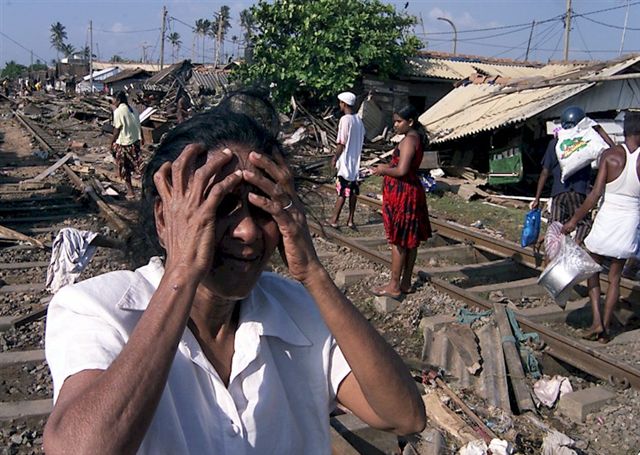
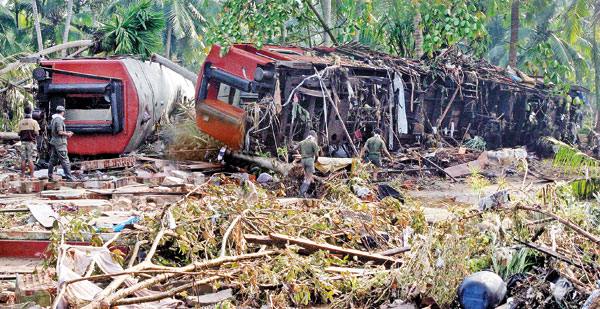
Sri Lanka has faced devastating natural disasters over the past two decades. The 2004 Indian Ocean tsunami claimed over 35,000 lives, while Cyclone Ditwah and subsequent floods in late 2025 left hundreds dead, thousands missing, and millions displaced. Though both events caused immense suffering, the way ordinary citizens accessed help has changed dramatically.
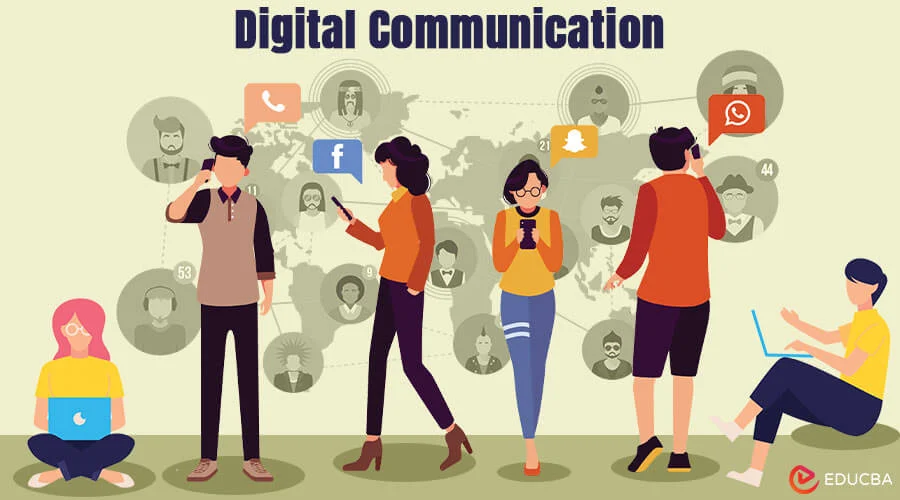
The defining difference? Technology, Social media and modern communication platforms now enable donations and relief to reach those who need them most a capability that was virtually impossible during the tsunami era.
The 2004 Tsunami: Communication Barriers and Aid Distribution Challenges
When the tsunami struck on December 26, 2004, Sri Lanka lacked the digital infrastructure we take for granted today. Few people owned mobile phones, internet access was rare, and social media platforms like Facebook and Twitter either didn’t exist or were in their infancy.
The centralized approach to disaster relief created multiple challenges. Relief was managed primarily through government channels and large NGOs, often leading to bottlenecks, duplication of efforts, and corruption. Ordinary citizens had no direct way to communicate their specific needs, and many remote communities were overlooked entirely while others received disproportionate support.
Donors had virtually no visibility into how their contributions were used, creating widespread mistrust. Despite massive global sympathy and billions in donations, aid distribution was often inequitable, delayed, and inefficient.
2025 Cyclone Ditwah: The Technology & Social Media Revolution
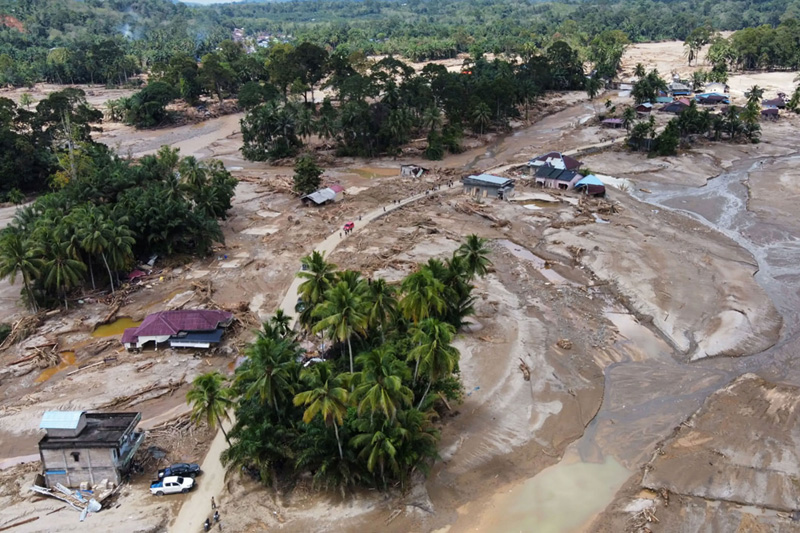
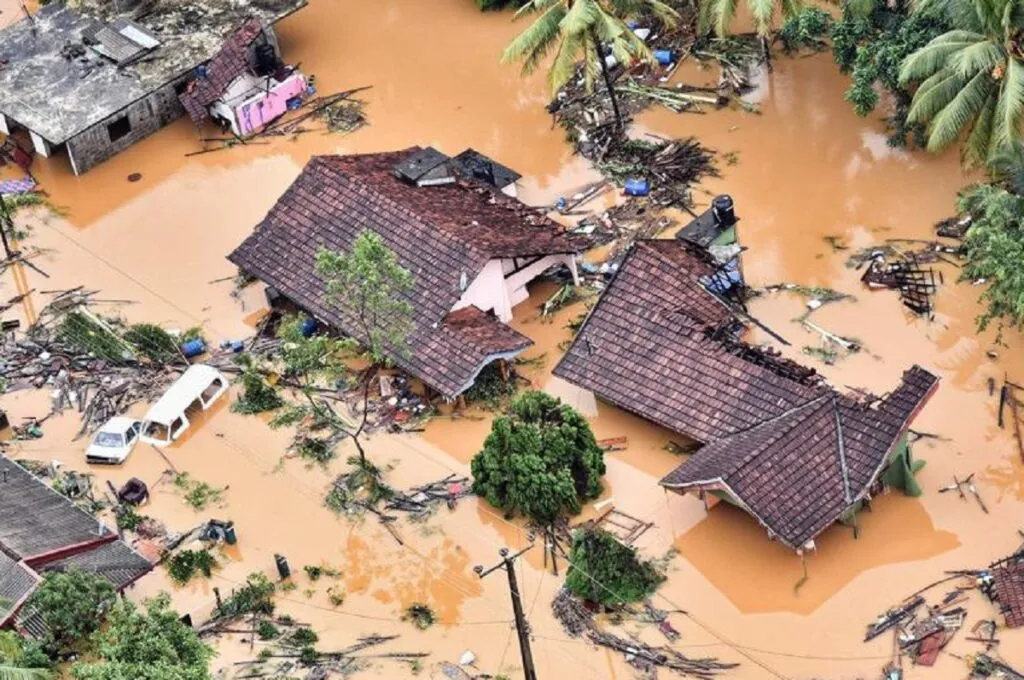
In November and December 2025, Cyclone Ditwah devastated Sri Lanka with catastrophic flooding and landslides. Over 355 people died, 360 went missing, and more than 25,000 homes were destroyed.
Unlike 2004, most Sri Lankans now had access to smartphones, social media platforms, and digital payment systems. This connectivity transformed disaster response in several fundamental ways.
Platforms like Facebook, WhatsApp, and X (Twitter) allowed affected families to share immediate updates about their conditions and specific needs. Geo-tagged posts enabled rescuers and donors to identify precise locations where help was most urgent. Mobile banking apps and crowdfunding platforms allowed donors to send money directly to verified individuals or community groups, bypassing bureaucratic channels.
Ordinary people became citizen journalists, documenting conditions in real-time and sharing photos and videos from shelters, hospitals, and remote villages. This grassroots reporting ensured that aid agencies couldn’t ignore marginalized communities. Recipients could also share receipts and updates, building donor confidence through transparency.
Also in Explained | Central Bank of Sri Lanka Issues Relief Measures for Cyclone and Flood-Affected Borrowers
Key Advantages of Social Media for Disaster-Affected Communities
Social media democratizes communication during crises. Survivors no longer depend solely on government announcements or NGO intermediaries. A single viral post from a flooded village can mobilize thousands of supporters within hours.
During Cyclone Ditwah, rescue operations were coordinated in real-time through social media groups. Families trapped in flooded homes posted SOS messages that were amplified by volunteer networks and quickly reached authorities and rescue teams.
Digital platforms enable targeted donations that reach specific individuals, families, or communities. Unlike the tsunami era, today’s systems allow verification and direct transfer, ensuring resources aren’t wasted on bureaucratic overhead.
Sri Lankan diaspora communities abroad can instantly mobilize resources for their hometowns. Networks in Europe, North America, and Australia use social media to organize fundraising campaigns and coordinate with local contacts—all within hours of a disaster.
Comparative Analysis: 2004 vs 2025
| Aspect | 2004 Tsunami | 2025 Cyclone Ditwah |
|---|---|---|
| Communication Speed | Delayed, dependent on official channels | Instantaneous, peer-to-peer |
| Aid Distribution | Centralized, often unequal | Decentralized, targeted, transparent |
| Donor Visibility | Minimal to none | High, with real-time updates |
| Citizen Role | Passive recipients | Active participants and organizers |
| Response Coordination | Top-down, bureaucratic | Multi-directional, collaborative |
Challenges and Risks in Digital Disaster Response
While social media offers tremendous advantages, several challenges must be addressed. Fake appeals and fraudulent donation requests can mislead well-meaning donors, making verification systems essential.
Not all communities have equal access to smartphones, internet connectivity, or digital literacy. Rural areas, elderly populations, and economically disadvantaged groups may still be excluded from digital aid networks.
Sharing personal information and locations online can expose vulnerable families to exploitation or targeting by bad actors. The sheer volume of requests during a disaster can also overwhelm both responders and donors, making it difficult to prioritize the most urgent needs.
Best Practices for Effective Digital Disaster Response
Affected communities should use verified social media accounts with clear location information, share specific needs rather than general requests, and provide regular updates on how received aid is being used.
Donors should verify accounts before contributing, prioritize direct transfers through secure platforms, and request proof of delivery. Supporting local coordination groups with established track records helps ensure donations reach genuine victims.
Organizations and authorities should establish official social media channels before disasters occur, monitor and verify information in real-time, and create systems for rapid verification of legitimate requests. Bridging the digital divide through community access points ensures no one is left behind.
Conclusion: From Voiceless Victims to Empowered Participants
The comparison between the 2004 tsunami and 2025 Cyclone Ditwah reveals a fundamental transformation in humanitarian response. Social media and digital communication have empowered ordinary citizens to become active participants in their own recovery, ensured more equitable aid distribution through transparency, and accelerated response times from days to hours.
Twenty years ago, ordinary citizens were largely voiceless, dependent on authorities and organizations to recognize their needs. Today, those same citizens use smartphones to broadcast their situations, coordinate relief efforts, and hold aid organizations accountable.
While challenges remain around equity of access and verification, digital technology has made disaster relief more transparent, efficient, and responsive to actual needs. For Sri Lanka, this means that even in moments of profound tragedy, ordinary people have found their voice and their power in shaping their communities’ recovery.
This article analyzes the transformation of disaster response in Sri Lanka through the lens of communication technology, comparing historical and contemporary approaches to humanitarian aid distribution.
Also in Explained | Sri Lanka’s Cyclone Ditwah Recovery: The President Stressed the Importance of Stable Housing Plans