
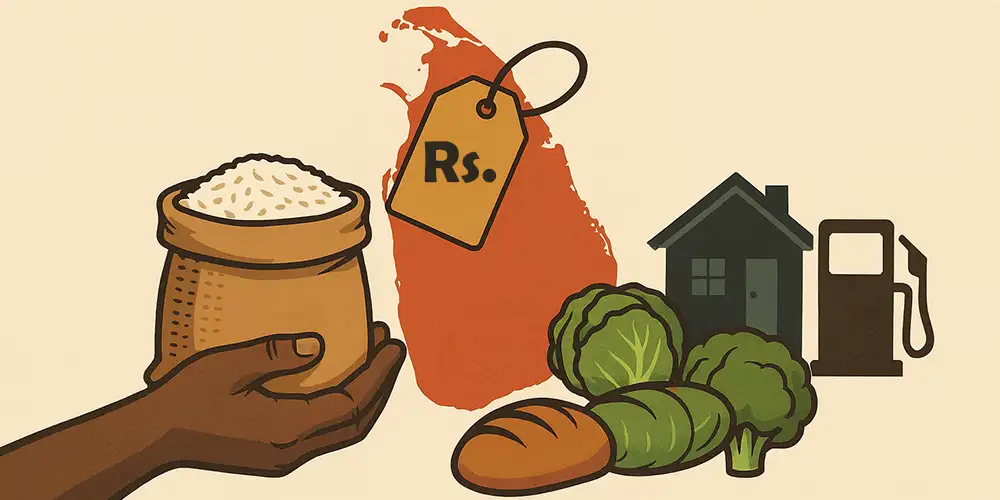
The Real Cost of High Living Expenses – Sri Lanka’s families continue to grapple with the lingering effects of elevated prices even as headline inflation has moderated. After years of crisis-driven shocks, many households still face a cost of living that feels disproportionately high relative to incomes. Monthly expenses for food, fuel, utilities, transport, and education consume a larger share of family budgets than before the 2022 crisis, leaving less room for savings or unexpected costs. The inflation impact may be low on paper, yet the real cost of everyday life remains a daily struggle for millions. This pressure tests household resilience and calls for practical coping strategies alongside supportive measures from government and communities.
The distinction matters. Stabilised inflation offers macro relief, but it does not automatically restore affordability for families. Sri Lanka’s recent experience shows both the progress made in taming price spirals and the persistent challenges that demand empathetic, solution-oriented responses.
Also in Explained | Can Regional Economic Storytelling Perform Better Than Colombo-Only Coverage?
The Real Burden on Sri Lankan Families Today
National data confirm that while inflation has eased, the cost base for essentials remains elevated. Colombo Consumer Price Index (CCPI) headline inflation stood at 2.2 percent year-on-year in March 2026, up slightly from 1.6 percent in February but still well below the Central Bank’s 5 percent target. Food inflation eased to 0.7 percent in March from just 0.2 percent in February, offering some relief at markets, while non-food items (including transport and utilities) rose faster at 2.9 percent.
Yet these moderate rates mask the lived reality. Prices of rice, dhal, vegetables, cooking gas, electricity, and school supplies are significantly higher than pre-crisis levels. The official poverty line for January 2026 was set at approximately Rs 16,730 per person per month, with regional variations showing higher thresholds in urban areas like Colombo (Rs 18,044). Many families report that even modest inflation on a high base stretches budgets thin, forcing difficult trade-offs between nutrition, education, healthcare, and debt repayment.
Understanding the Drivers of High Living Expenses
Several structural factors sustain the cost of living pressure. Global commodity prices, rupee fluctuations, and domestic supply constraints continue to influence food and fuel costs. Transport and energy expenses remain sensitive to international oil movements, while utility tariffs reflect the need for cost recovery in the power sector.
At the household level, inflation impact is uneven. Lower- and middle-income families allocate a larger proportion of income to food and essentials, making them more vulnerable to even small price shifts. Urban households face higher housing and transport costs, while rural families grapple with volatile agricultural incomes and limited market access. Remittances provide a buffer for some, but not all, and rising debt servicing both formal and informal, adds further strain.
The 2026 national budget acknowledged these pressures through public-sector salary adjustments and targeted welfare expansions, yet implementation and broader wage growth in the private sector have not fully offset the cumulative rise in living costs since 2022.
Daily Challenges Faced by Households
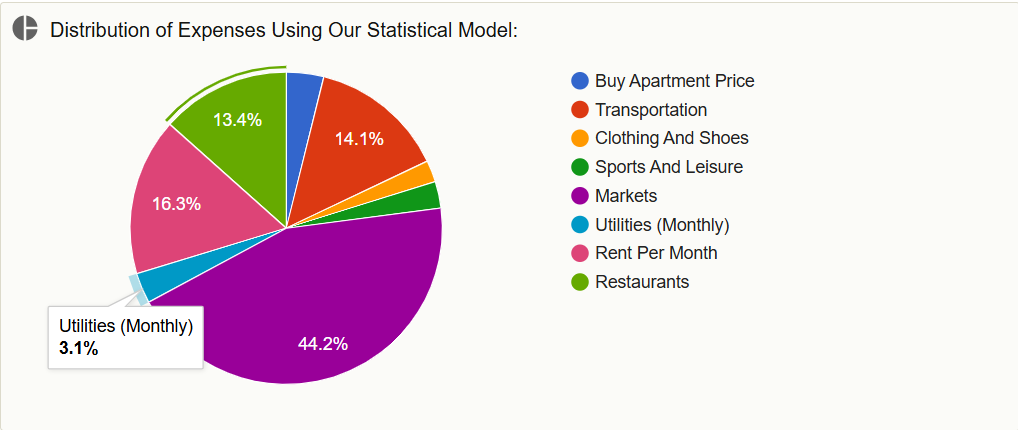
For many Sri Lankan families, the high living expenses translate into concrete daily realities. Grocery bills consume a bigger share of income, prompting reduced consumption of protein-rich foods or fresh produce. School-related costs; uniforms, books, and transport compete with utility payments, sometimes leading to delayed bills or reliance on informal credit.
Fuel and transport expenses affect commuting workers and small-business owners alike, while rising electricity and cooking-gas prices force energy-saving measures that can compromise comfort and health. Healthcare access becomes costlier for chronic conditions, and savings for emergencies or children’s future shrink. These pressures erode financial security, heighten stress, and in some cases contribute to migration decisions or reduced family well-being.
Practical Strategies for Families to Cope
Empowering families with actionable steps can make an immediate difference in household budgeting. First, track expenses meticulously using simple apps or notebooks to identify leakage and set realistic monthly limits. Prioritise needs over wants and adopt bulk purchasing or seasonal buying for staples when prices dip.
Second, embrace local and home-based solutions: grow vegetables in small home gardens, support community cooperatives, or buy directly from farmers’ markets to cut middlemen costs. Energy conservation switching off unused appliances, using efficient bulbs, and timing usage can lower utility bills noticeably.
Third, diversify income where possible through skill-based side activities, freelancing, or small home enterprises. Debt management is critical: consolidate high-interest loans and communicate with lenders early. Community mutual-support groups can share resources, childcare, or transport, reducing individual burdens.
Finally, financial literacy workshops offered by banks and NGOs equip families with tools for better saving and investment decisions, even on modest incomes.
Role of Government and Community Support
While families must adapt, systemic relief is equally important. Government measures in the 2026 budget including salary hikes for public servants, creation of new public-sector jobs, and expanded welfare for low-income groups provide targeted support. Continued focus on domestic food production, fair pricing mechanisms, and subsidy rationalisation (while protecting the most vulnerable) can help moderate essential costs.
Communities and the private sector also play vital roles. Corporate social responsibility programmes that offer affordable essentials, skill-training initiatives, and microfinance with favourable terms can strengthen household resilience. NGOs and civil-society groups already run successful nutrition, financial-education, and livelihood programmes that complement state efforts. Public-private partnerships in agriculture, logistics, and digital services can further reduce supply-chain costs that ultimately reach consumers.
Risks if Cost-of-Living Pressures Persist
Unchecked high living expenses carry broader risks. Prolonged strain can deepen poverty pockets, slow consumption-led recovery, and discourage investment in human capital such as education and health. Youth frustration may rise, and skilled workers may continue seeking opportunities abroad. For the economy as a whole, subdued domestic demand limits growth potential and keeps businesses cautious.
Without balanced relief, the gap between macro stabilisation and micro-level affordability could widen, undermining social cohesion and long-term stability.
A Forward-Looking Path to Relief
Sustainable relief requires a multi-pronged approach. Government can accelerate productivity-enhancing reforms in agriculture and small enterprises to lower food and goods prices over time. Monetary policy should remain supportive of stability while encouraging credit flow to productive sectors. Families, supported by community networks and targeted programmes, can build financial buffers through consistent household budgeting and income diversification.
International experience shows that countries combining prudent macro policies with micro-level family support achieve faster and more inclusive recovery. Sri Lanka’s educated population, entrepreneurial spirit, and ongoing economic stabilisation provide a solid foundation for such progress.
Conclusion – The Real Cost of High Living Expenses
Sri Lanka has made commendable strides in stabilising inflation with March 2026 headline rates at a modest 2.2 percent yet the real cost of high living expenses continues to challenge families across the country. Everyday pressures on food, utilities, transport, and education remain tangible, testing resilience and requiring both personal adaptation and collective action.
Household budgeting, practical lifestyle adjustments, government welfare enhancements, and community solidarity together offer meaningful pathways forward. By addressing the inflation impact through empathetic, solution-oriented measures at every level, Sri Lanka can ease the burden on families and build a more affordable, secure future. The journey demands patience and shared responsibility, but the goal; families that can thrive, not merely cope is within reach when policy, community, and individual efforts align.
Also in Explained | Sri Lanka Economy 2026: Is Recovery Enough to Prevent Another Crisis?