
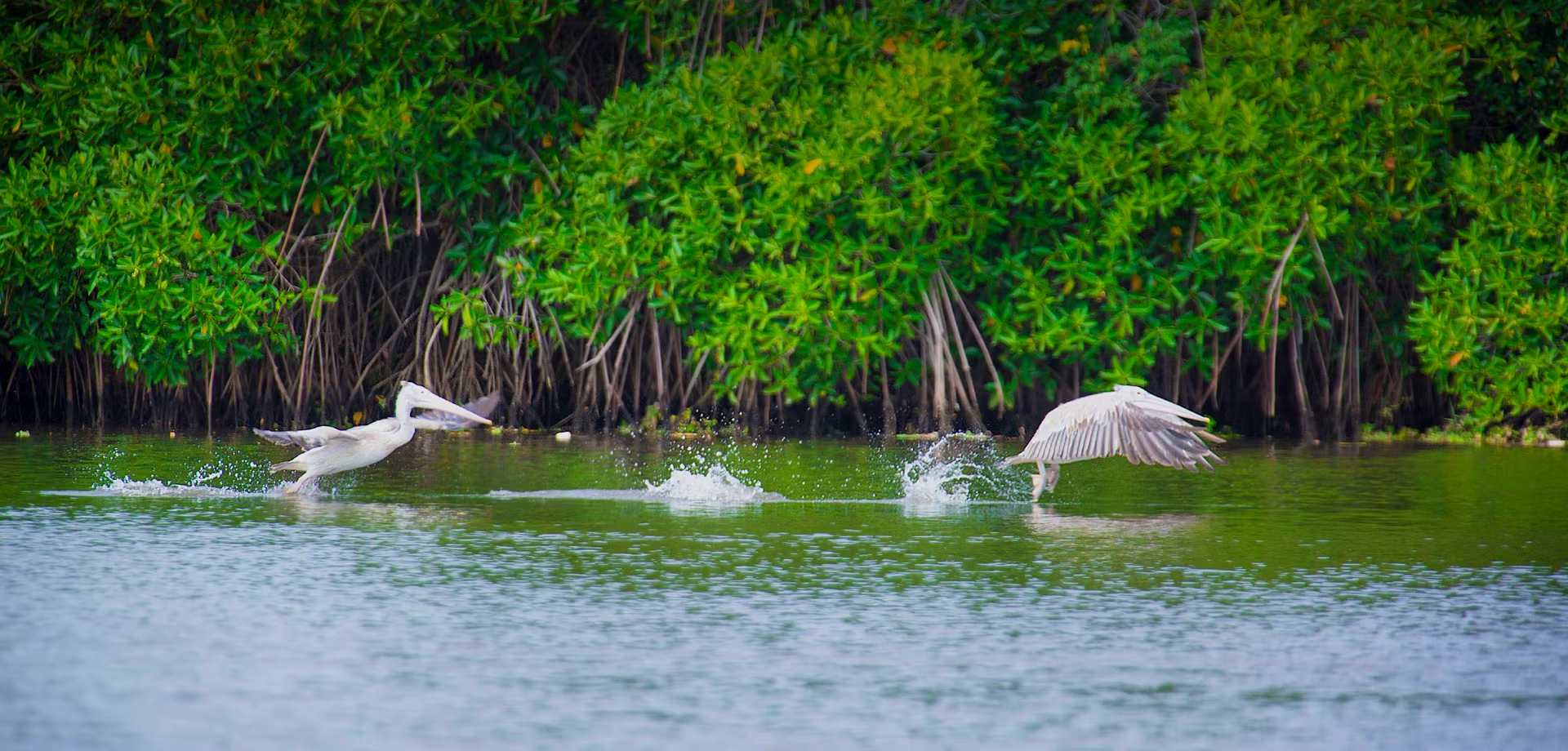
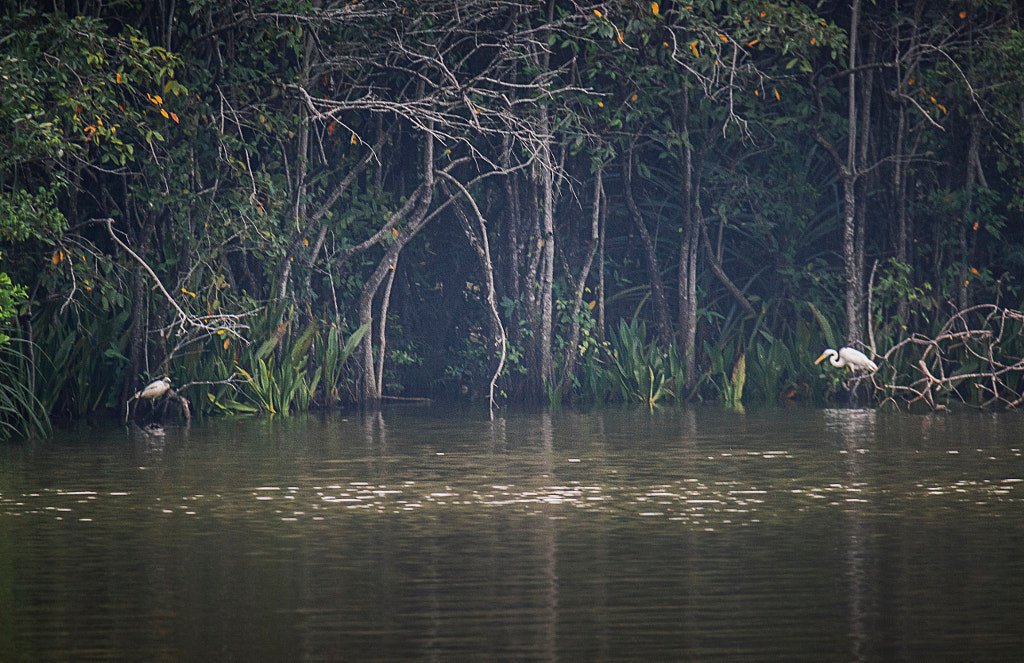
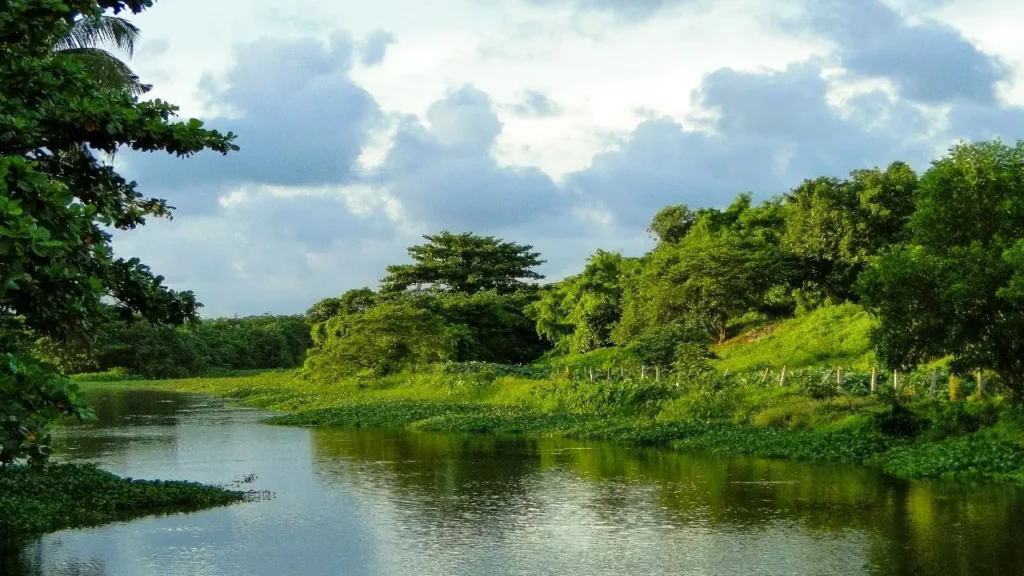
Wetlands are often misunderstood in Sri Lanka. Many see them as wastelands, but in reality they are life-saving ecosystems. They absorb excess rainwater, filter waste, and release clean water into rivers and the sea. In the Western Province, wetlands such as Muthurajawela, Diyawanna Oya, and Bellanwila-Attidiya have historically protected Colombo and surrounding cities from floods. Yet today, these natural defenses are disappearing under concrete.
The Role of Wetlands
Wetlands act as natural flood control systems. They store stormwater during heavy rains, reduce pressure on drainage networks, and prevent rivers from overflowing. They also filter wastewater, protect biodiversity, and regulate climate. Without them, urban areas face clogged drains, polluted waterways, and frequent flooding.
Also in Explained | Sri Lanka’s Cyclone Ditwah Recovery: The President Stressed the Importance of Stable Housing Plans
The Crisis in the Western Province
Urbanization has placed enormous pressure on wetlands. Illegal filling, housing projects, and industrial expansion have reduced their size and capacity.
- Muthurajawela Wetland has shrunk due to landfill and unauthorized construction.
- Diyawanna Oya, near Parliament, faces constant real estate pressure.
- Bellanwila-Attidiya Sanctuary is shrinking, weakening its flood-buffer role.
Flooding in Colombo is no longer just about heavy rainfall, it is about wetlands losing their ability to absorb water.
Governance Failures
Experts describe Sri Lanka’s floods as governance disasters. Weak enforcement of environmental laws, political negligence, and short-term development priorities have allowed wetlands to be destroyed. Illegal landfills are approved without proper clearance, monitoring is inconsistent, and profit is prioritized over resilience.
Human Impact
The floods following Cyclone Ditwah in November 2025 exposed these vulnerabilities. Thousands were displaced in Colombo and Gampaha as water had nowhere to drain. Families in low-lying areas suffered the most. Without wetlands, every heavy rain becomes a disaster, damaging homes, roads, and livelihoods.
Path to Recovery
Protecting wetlands requires both government action and citizen awareness.
- Conservation projects must be supported.
- Illegal filling must be reported and stopped.
- Urban planning should integrate wetlands into city design.
- Communities must be educated about wetlands’ role in flood prevention.
Building a Resilient Future
Sri Lanka’s future depends on recognizing wetlands as essential infrastructure. By restoring degraded areas, enforcing environmental laws, and designing cities that respect natural water flows, the country can reduce flooding, protect biodiversity, and build resilience against climate change.
Conclusion
Wetlands are not wastelands. They are the foundation of resilience in Sri Lanka’s Western Province. Their destruction is a direct cause of urban flooding, and their restoration is a survival strategy. With transparent governance, targeted funding, and community-driven support, Sri Lanka can rebuild its wetlands and secure a safer future.
Also in Explained | Sri Lanka’s Cyclone Ditwah Response: Infrastructure, Aswesuma & Mahapola Welfare, and the Urgency of Systemic Reform