

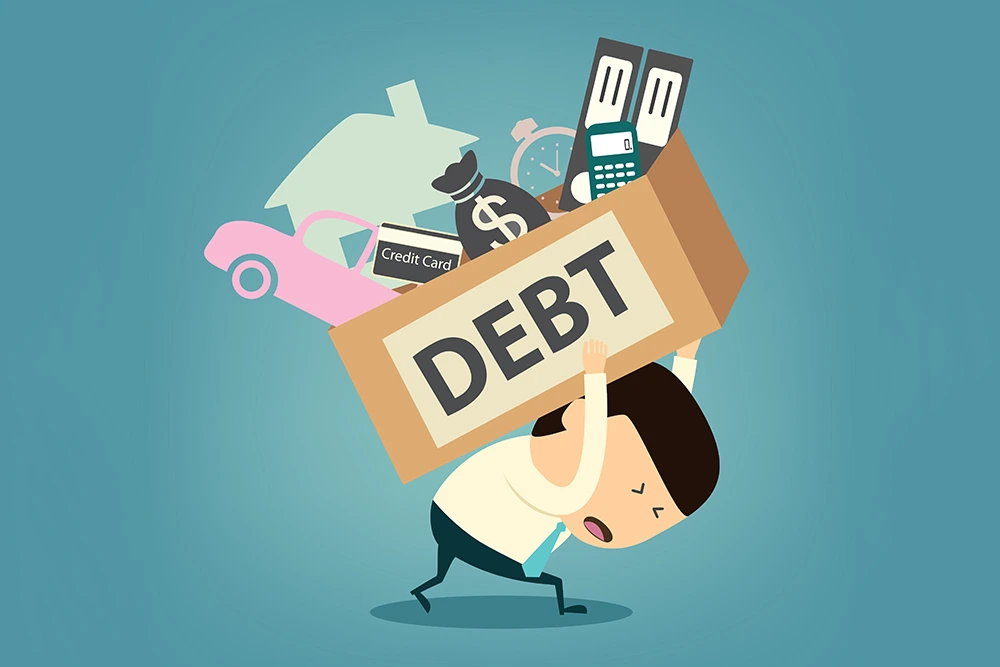
In our previous article, we examined Sri Lanka’s planned import tariff reforms for 2026, aimed at boosting competitiveness and global integration. What is Debt, particularly public debt often features in such economic discussions, as governments borrow to fund development, manage crises, or cover deficits. Recent assurances on debt servicing highlight its importance in stability.
For ordinary citizens; a parent paying school fees, a worker contributing taxes, a retiree depending on pensions, or a small business owner seeking loans debt can feel abstract yet impactful. High national debt might mean higher taxes, reduced services, or inflation pressures. Personal debt affects household budgets directly. Understanding debt helps make sense of policy choices.
This article explains debt in straightforward terms: its definition and types, how it is measured, key indicators, why levels matter, sustainability factors, and management approaches.
Also in Explained | What Changes Are Planned for Sri Lanka’s Import Tariff Policy in 2026?
What is Debt?
Debt is money borrowed that must be repaid, usually with interest, over time. It arises when spending exceeds income, requiring funds from lenders.
- Personal debt: Individuals borrow for homes (mortgages), education, vehicles, or daily needs (credit cards).
- Corporate debt: Businesses finance expansion, equipment, or operations.
- Public (government) debt: Governments borrow to build infrastructure, provide services, respond to crises, or bridge revenue shortfalls.
Borrowing itself is not bad, it enables growth when used productively. Roads, hospitals, or education funded by debt benefit society long-term. Problems arise when debt grows unsustainably, outpacing repayment capacity.
Governments issue bonds (promising repayment plus interest) bought by investors banks, funds, individuals, or foreign entities. Multilateral lenders (IMF, World Bank) or bilateral (other countries) provide loans with conditions.
Types of Public Debt
Public debt divides in useful ways:
1. Domestic vs. External:
- Domestic debt: Borrowed from within the country (local banks, citizens) in local currency easier to manage, as governments control the currency.
- External debt: From foreign lenders, often in foreign currencies (e.g., US dollars) riskier due to exchange rate fluctuations.
2. Gross vs. Net Debt:
- Gross debt: Total outstanding borrowing.
- Net debt: Gross minus government financial assets (Eg-reserves) a clearer picture of obligations.
3. Short-term vs. Long-term:
- Short-term: Due within a year, higher rollover risk.
- Long-term: Spread over years, more manageable but accumulates interest.
Debt can be concessional (low interest, from development lenders) or commercial (market rates).
How Debt is Measured
Absolute figures (Eg-billions of dollars) are less meaningful alone context matters. Key metrics:
1. Debt Stock:
- Total amount owed at a point in time.
- Expressed in absolute terms or per capita.
2. Debt-to-GDP Ratio:
- Most common benchmark: Total public debt as percentage of Gross Domestic Product (annual economic output).
- Why GDP? It shows repayment capacity, larger economies handle more debt.
- Example: 100% debt-to-GDP means debt equals one year’s output.
- Thresholds vary: Advanced economies often sustain 60–100%+; emerging markets target below 60–70% for safety.
3. Debt Service Ratio:
- Annual repayments (principal + interest) as percentage of exports (for external debt) or government revenue/budget.
- High ratios strain budgets or trade balances.
4. Debt Service-to-Revenue Ratio:
- Payments relative to tax collections, indicates fiscal space for services.
Central banks and finance ministries publish these regularly. International bodies like the IMF conduct Debt Sustainability Analyses (DSA), forecasting risks under various scenarios.
Why Debt Levels Matter
Moderate debt fuels growth:
- Funds productive investments (infrastructure, education) boosting jobs and incomes.
- Bridges temporary gaps (Eg-during recessions or disasters).
High or unsustainable debt creates risks:
- Crowding out: Heavy borrowing raises interest rates, squeezing private investment.
- Inflation pressure: If financed by printing money.
- Crisis vulnerability: Sudden lender withdrawal or rate hikes can trigger defaults.
- Intergenerational burden: Future taxpayers repay today’s borrowing.
- Reduced services: High servicing diverts funds from health, education, welfare.
For citizens: Sustainable debt supports stable taxes and strong public services. Unsustainable levels lead to austerity, higher costs, or economic shocks affecting jobs and prices.
Assessing Debt Sustainability
No universal “safe” level, depends on:
- Economic growth: Faster growth shrinks ratios.
- Interest rates: Low rates ease burdens.
- Revenue mobilisation: Strong taxes provide repayment room.
- Currency composition: More domestic/local currency debt reduces risks.
- Creditor base: Diverse, reliable lenders lower vulnerability.
Tools like DSA model scenarios base case, shocks (Eg-recessions, disasters) to flag risks. Early action (restructuring, reforms) prevents crises.
Managing and Reducing Debt
Strategies include:
- Fiscal discipline: Balanced budgets over time.
- Growth enhancement: Policies boosting GDP (exports, investment).
- Revenue reforms: Efficient tax systems.
- Debt restructuring: Negotiating lower rates or longer terms.
- Prudent borrowing: Favour concessional, productive loans.
International support (IMF programs) often aids through financing and reform guidance.
A Balanced Perspective
Debt is a tool, essential for development when managed well, dangerous when excessive. It enables governments to invest beyond current revenues, benefiting society if returns exceed costs.
Measurement focuses on ratios like debt-to-GDP, revealing capacity more than raw amounts. Sustainability is dynamic, influenced by policies and external factors.
For ordinary people, healthy debt levels mean reliable services, stable prices, and growth opportunities. Excessive debt risks hardship through cuts or instability.
In today’s world, post-pandemic recoveries, climate challenges, geopolitical shifts prudent debt management is crucial. Transparent reporting and accountable use build trust, ensuring borrowing serves current and future generations.
As economies like Sri Lanka navigate reforms and recovery, understanding debt empowers citizens to engage with policies shaping their lives.
Also in Explained | Despite Debt Assurances and Low Inflation, Why Do Many Sri Lankans Still Struggle with High Living Costs?