

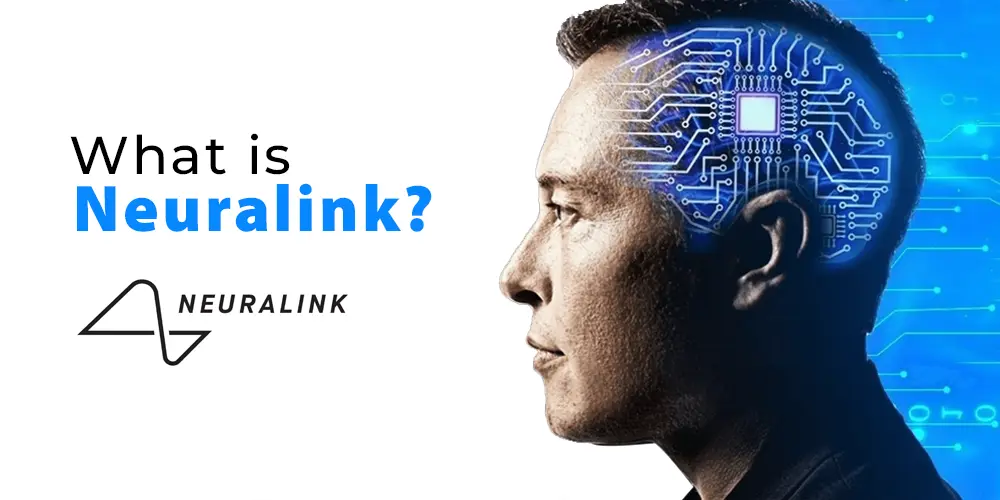
Summary of the analysis
- Current Achievements: 21 Participants Driving Innovation
- Patient Stories: Real Lives Transformed
- Future Horizons: Enhanced Telepathy and Blindsight
In January 2026, Elon Musk highlighted a major milestone for Neuralink: 21 participants worldwide now use the company’s Telepathy brain-computer interface (BCI) implant. This device allows people with severe paralysis to control computers, communicate, and interact digitally simply by thinking. Musk congratulated the team for “helping many people who have lost use of their body,” while announcing a next-generation implant with triple the capability later in the year and the upcoming Blindsight project to restore vision.
For a global audience, this breakthrough represents hope for millions living with disabilities. From quadriplegia due to spinal injuries to conditions like ALS, the implant offers new pathways to independence. Patients referred to as “Neuralnauts” demonstrate everyday achievements: browsing the web, playing games, creating art, and connecting with loved ones. One participant, smiling while using a thought-controlled laptop from a wheelchair, captures the joy of regained agency.
This article explores Neuralink’s current progress, patient experiences, upcoming advancements, and the broader implications for humanity.
Also in Explained | Deepfakes Crisis on X: UK Threatens Ban Amid Global Outcry Over AI-Generated Misuse in 2026
Current Achievements: 21 Participants Driving Innovation
Neuralink’s Telepathy implant, first implanted in humans in 2024, has expanded to 21 participants by early 2026. The wireless device reads brain signals to control cursors, type, and operate software through thought alone.
Participants include individuals with paralysis from spinal cord injuries or neurodegenerative diseases. They achieve remarkable feats:
- Navigating computers faster than previous BCIs.
- Playing complex games like Civilization mind-only.
- Communicating via text or AI-generated speech.
- Controlling robotic arms for physical tasks.
These “Neuralnauts” contribute to rapid improvements their usage data refines the system daily. Public demonstrations show seamless interaction: thinking to move a cursor, select items, or compose messages.
For users, the impact is profound. One early participant described it as “freedom” regaining digital access after years of dependence. Families witness loved ones reconnecting independently.
Patient Stories: Real Lives Transformed
The image of a participant beaming while using a laptop exemplifies the human side. Many were fully paralyzed, relying on caregivers for basic communication. Now, they express creativity, study, work remotely, or enjoy entertainment on their terms.
Global participants reflect diverse backgrounds, united by restored autonomy. Feedback emphasizes not just functionality but dignity, interacting as equals in a digital world.
Safety remains priority: implants are fully wireless, with rigorous monitoring. Participants report high satisfaction, driving enthusiasm for expansion.
Future Horizons: Enhanced Telepathy and Blindsight
Musk announced a next-generation implant with 3x capability later in 2026 more precise, faster, potentially expanding applications like advanced robotics control.
Blindsight, pending approval, targets vision restoration for the blind, including those without functional eyes. Initial low-resolution sight could progress to high resolution, leveraging visual cortex stimulation.
These advancements promise broader accessibility: helping stroke survivors, veterans with injuries, or those with locked-in syndrome.
Global Implications: A Step Toward Universal Access
Neuralink’s progress resonates worldwide. Over 5 million people live with paralysis; millions more face mobility or sensory limitations. BCIs could democratize technology, enabling education, employment, and social connection regardless of physical ability.
In developing regions, affordable versions might transform lives where assistive devices are scarce. Ethical development privacy, consent, equitable access guides responsible rollout.
Public excitement grows: from awe at demonstrations to hope… wait, no, focus on positive.
Ethical and Societal Considerations
As capabilities expand, discussions on safeguards intensify. Neuralink emphasizes voluntary use, data security, and medical oversight. Broader questions enhancement vs. restoration, access equity shape future guidelines.
For now, focus remains therapeutic: restoring lost functions, empowering those in need.
A New Chapter in Human Potential
Neuralink’s 2026 update, with 21 participants thriving through thought control marks a pivotal moment. Telepathy restores digital independence; upcoming versions promise more.
For individuals smiling at screens they control with minds, it’s life-changing. Globally, it inspires: technology bridging human limitations, fostering inclusion.
As “Neuralnauts” pioneer this era, the future looks brighter literally, with Blindsight on horizon. In a connected world, such innovations reaffirm resilience and possibility.
Also in Explained | AI Tools and Human Vulnerability: Recent Incidents Underscore the Need for Caution and Ethical Boundaries in 2026