

Summary of the analysis
- The 5% inflation target was formalised in an agreement between the CBSL and the Minister of Finance in October 2023 under the Monetary Policy Framework.
- What This Means for Households and Daily Life?
- CBSL’s projections point to inflation reaching the 5% target by mid-2026 along a gradual path, benefiting from stabilised conditions.
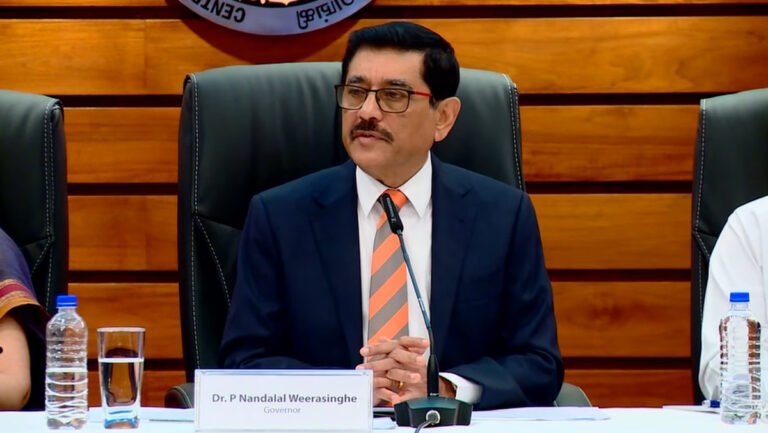
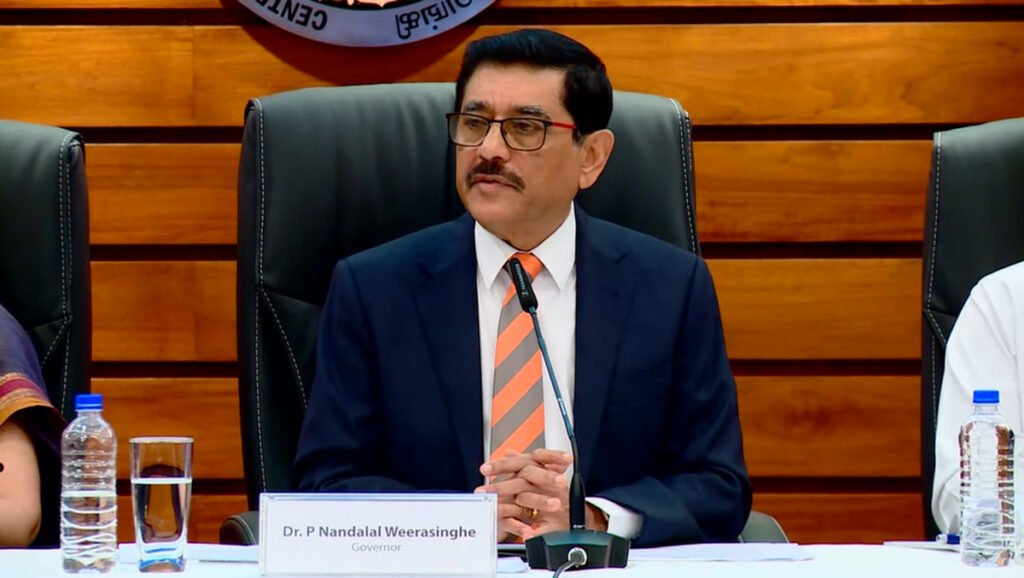
The Central Bank of Sri Lanka (CBSL) has maintained its key policy rates unchanged in the first Monetary Policy Review of 2026, announced on 28 January 2026. The Standing Deposit Facility Rate (SDFR) and Standing Lending Facility Rate (SLFR) remain at 8.25% and 9.25%, respectively. More importantly for the public, the CBSL’s latest projections indicate that headline inflation, measured by the Colombo Consumer Price Index (CCPI), is expected to rise gradually from current low levels and approach the 5% medium-term target by the second half of 2026.
This forecast, illustrated in the CBSL’s fan chart based on the January 2026 round, shows realised inflation dipping to near-zero or negative in recent quarters before a steady upward trajectory in the projection period. The baseline path reaches around the 5% target by H2 2026, with widening confidence bands reflecting increasing uncertainty over time 50% probability in darker green, expanding to 90% in lighter shades. The chart underscores that while the most likely outcome is a controlled rise, risks could push inflation higher or lower.
For ordinary Sri Lankans, this raises a fundamental question: will everyday costs increase at a manageable pace, or could they accelerate and strain household budgets once again?
Also in Explained | Inflation Edges Up to 2.9%: The Real Extra Cost Hitting Sri Lankan Family Budgets
Understanding the CBSL’s Inflation Outlook
The 5% inflation target was formalised in an agreement between the CBSL and the Minister of Finance in October 2023 under the Monetary Policy Framework. It represents a “normal” level low enough to preserve purchasing power but sufficient to avoid deflationary traps that can stifle growth. After the 2022 crisis saw inflation peak above 70%, aggressive policy measures brought it down rapidly. By late 2025, headline inflation (CCPI) hovered around 2-3%, with periods below target prompting transparency reports to Parliament.
The current low inflation environment has been a relief for the public. It has supported real wage recovery, made essentials more affordable, and eased pressure on fixed-income groups like pensioners and low-wage earners. However, prolonged sub-target inflation carries risks, such as delayed investments or debt deflation burdens.
The CBSL’s projection of a gradual rise reflects recovering demand amid sustained economic momentum. Recent indicators back this: December 2025 PMI showed strong expansions (Manufacturing 60.9, Services 67.9), driven by festive demand and resilience to weather disruptions. Private sector credit growth continued, and external buffers strengthened with reserves above US$6.8 billion by end-2025.
The fan chart’s baseline path rising steadily to 5% by mid-2026 H2 suggests normalisation without shocks. Confidence intervals indicate a 50% probability of inflation staying close to this path in the near term, widening over time due to global uncertainties, domestic supply factors, and potential weather events.
What This Means for Households and Daily Life
For the average family, a gradual rise to 5% would mean a gentle increase in cost of living predictable and manageable compared to past volatility. At current low rates, essentials like food, transport, and utilities remain relatively affordable, aiding poverty reduction and consumer spending. If inflation reaches 5% by mid-2026 as projected, monthly baskets could see moderate annual increases, allowing wages and transfers to adjust.
However, the public remains cautious after 2022’s hardships. Food prices, often volatile due to weather and imports, could rise faster if supply chains disrupt December 2025 saw food inflation at 4.4% nationally (NCPI). Vulnerable groups, including rural households and Samurdhi beneficiaries, would feel this most, as food dominates their spending.
The rate hold decision supports this stable path. By keeping policy rates steady, the CBSL avoids premature easing that could overheat the economy or tightening that stifles growth. Borrowing costs for homes, vehicles, and businesses remain unchanged in the short term, providing certainty for planners. Savings returns stay reasonable, benefiting depositors.
Risks highlighted in the projections widening bands remind us of uncertainties. Upside risks include global commodity spikes or domestic wage pressures; downside could come from weaker demand. The CBSL emphasises balanced risks, with vigilance on supply-side shocks like climate events.
Broader Public Policy Context
From a public affairs viewpoint, this outlook reinforces the value of CBSL independence and flexible inflation targeting. The 2023 Act’s safeguards have helped anchor expectations, preventing a return to fiscal dominance that fuelled past crises. Fiscal consolidation commended in recent reviews complements this by reducing pressure on monetary policy.
For citizens, the message is one of cautious optimism. Low current inflation preserves gains from recovery, while a gradual rise signals a return to normalcy supporting jobs, investment, and growth projected at 4-5% for 2026. Public institutions must complement this: enhancing social safety nets, investing in climate-resilient agriculture, and monitoring markets to protect consumers.
In conclusion, yes.. the CBSL’s projections point to inflation reaching the 5% target by mid-2026 along a gradual path, benefiting from stabilised conditions. For Sri Lankan families, this promises controlled cost increases rather than shocks, provided risks are managed proactively. As the economy transitions from recovery to sustained growth, this balanced approach prioritises public welfare keeping everyday costs in check while fostering prosperity.
Also in Explained | Sri Lanka’s Minimum Wage Revision Effective January 2026: A Welcome Boost for Workers and Key Compliance Notes