
2026 අයවැය: ශ්රී ලංකාවේ ආර්ථික සැලැස්ම සාමාන්ය පුරවැසියන් සඳහා අදහස් කරන්නේ කුමක්ද?
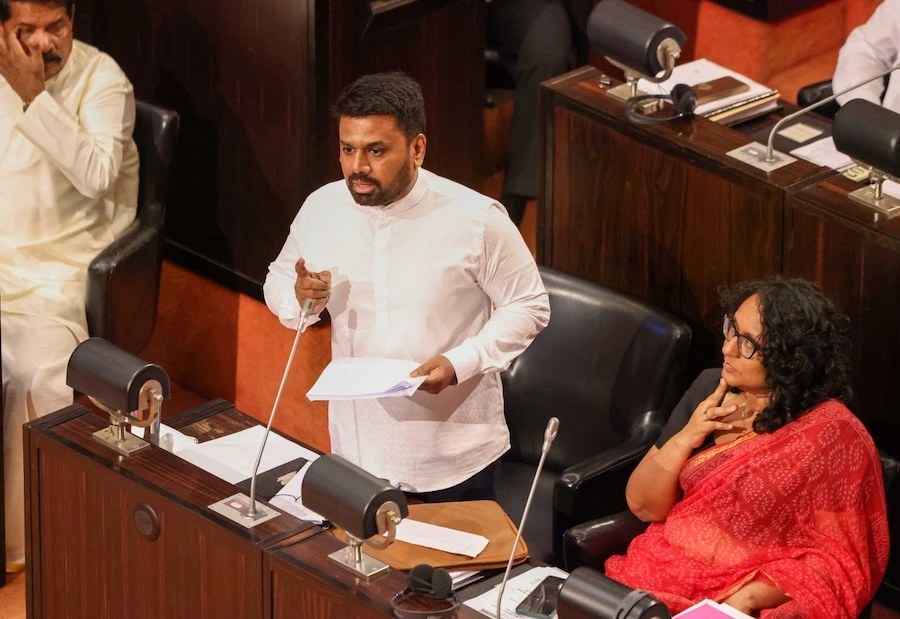
රජයේ දෙවන ජාතික අයවැය සාමාන්ය ශ්රී ලාංකිකයන්ගේ එදිනෙදා ජීවිතයට, ජීවනෝපායන්ට සහ අනාගතයට බලපාන්නේ කෙසේද යන්න පිළිබඳ පුළුල් විශ්ලේෂණයක් ශ්රී ලංකාව 2026 අයවැය ඉදිරිපත් කරන විට, මිලියන සංඛ්යාත සාමාන්ය පුරවැසියන්ට ඇති තීරණාත්මක ප්රශ්නය වන්නේ දළ දේශීය නිෂ්පාදිතයේ ප්රතිශතයන් හෝ ණය අනුපාත ගැන නොවේ. එය සරල හා හදිසි ය: ජීවිතය වඩාත් දැරිය හැකි මිලකට ලැබේවිද? රැකියා තිබේද? […]
Budget 2026: What Does Sri Lanka’s Economic Blueprint Mean for Ordinary Citizens?
A comprehensive analysis of how the government’s second national budget will impact everyday life, livelihoods, and the future of average Sri Lankans As Sri Lanka presents its Budget 2026, the critical question for millions of ordinary citizens isn’t about GDP percentages or debt ratios it’s simpler and more urgent: Will life become more affordable? Will […]
Harnessing the Sun: Why Sri Lanka Should Embrace Solar Power, Government Support or Not
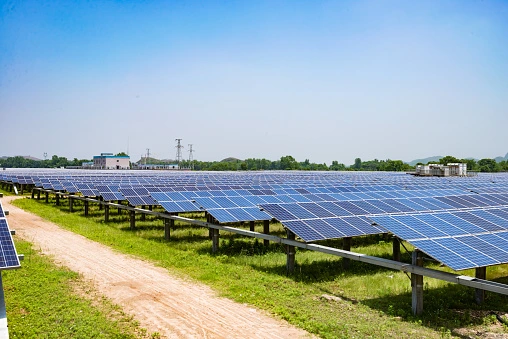
Why Sri Lanka Should Embrace Solar Power? – In the sweltering heat of the tropics, where the sun beats down relentlessly year-round, Sri Lanka sits on a goldmine of untapped renewable energy. With average solar irradiance levels exceeding 5 kWh/m² per day among the highest in South Asia the island nation has the potential to […]
Sri Lanka’s Railway Delays: Why the System Is Slowing Down and What Must Change

Sri Lanka’s railway network, once a proud symbol of affordable connectivity and scenic travel, is now increasingly defined by delays, derailments, and disrepair. A recent audit revealed that nearly half of all train journeys in 2024 were delayed, with over 5,000 cancellations and 660 derailments recorded between 2020 and 2024. For passengers across the country, […]
Sri Lanka’s Plastic Bag Levy: A Promising Start to Curbing Single-Use Waste

In a nation long plagued by the scourge of plastic pollution where beaches once pristine are now littered with discarded “sili-sili” bags Sri Lanka has taken a decisive step forward. Effective November 1, 2025, the government has banned the free distribution of plastic shopping bags in retail outlets, introducing a modest levy to discourage their […]
School Hours Extension Proposal Sparks Controversy: Teachers Threaten Strike Action

The Sri Lankan government’s proposal to extend school hours has ignited a heated debate across the education sector, with teachers’ unions threatening strike action and parents expressing concerns about the practical implications of keeping children in school longer. What’s Being Proposed? The government has announced plans to extend the school day for primary students, with […]
Aadhaar Data Breach: Why India’s Digital ID Dream Turned Nightmare and What Sri Lanka Must Avoid
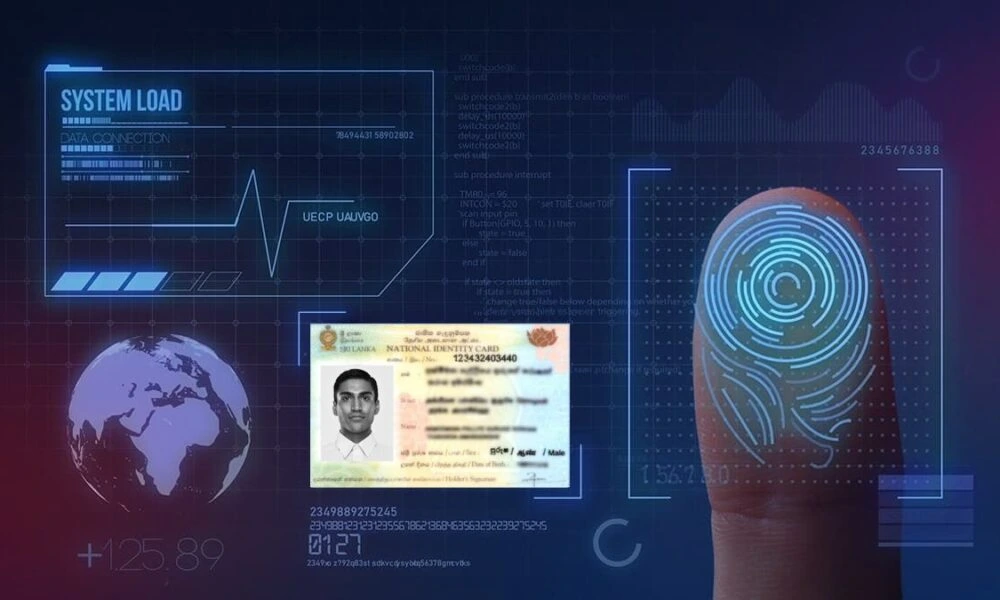
Imagine a single 12-digit number that promises to unlock welfare, banking, and voting for 1.4 billion people. That was Aadhaar in 2009. Sixteen years later, the world’s largest biometric database is a cautionary tale of over-promised efficiency, under-delivered security, and millions left behind. As Sri Lanka races toward its own SL-UDI rollout in 2026, India’s […]
Sri Lanka’s Lifeline Abroad: Rethinking Migration and Remittance Policy
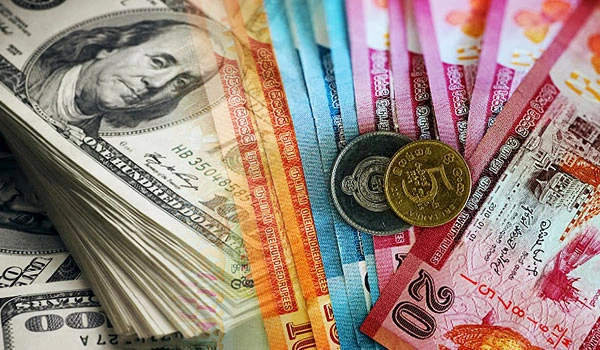
For decades the outflow of Sri Lankan workers and the inflow of their remittances have been crucial to the country’s external stability. Today this reality merits a deeper policy overhaul: the flows are large, evolving, and carry both economic benefits and social costs. The Economic Importance Workers’ remittances into Sri Lanka remain a major source […]
Sri Lanka’s Proposed Smartphone Ban for Minors: Intervention or a Misguided Move?

In a move that has stirred both applause and concern, Sri Lanka’s Ministry of Women and Child Affairs recently proposed a nationwide ban on smartphone use for children under the age of 12. The rationale is clear: protect young minds from the adverse effects of screen addiction, online exploitation, and developmental delays. But as the […]
Proposed CEB Tariff Hike: Smart Reform or Unnecessary Shock?

Sri Lanka’s electricity pricing debate heats up again. Here’s what the 6.8% proposal means for households, the grid, and the economy. In October 2025, the Ceylon Electricity Board (CEB) proposed a 6.8% increase in electricity tariffs for the final quarter of the year, citing rising operational costs, debt burdens, and the need for cost-reflective pricing. […]