
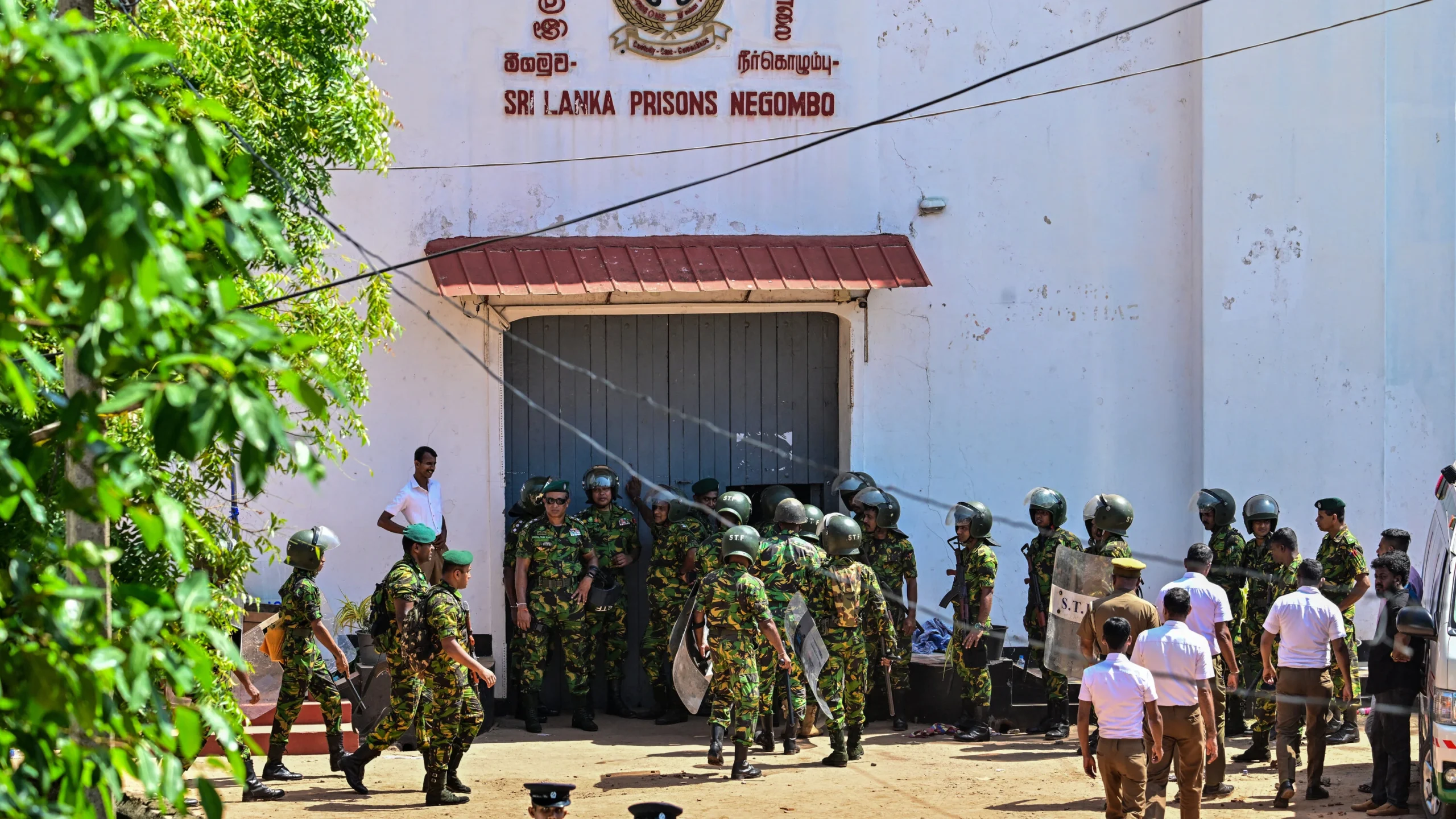
Why Sri Lanka prison reform needed right now? Sri Lanka’s prison system is under severe pressure. The number of inmates has grown significantly in recent years, with overcrowding reaching critical levels in several facilities. This includes both convicted prisoners and those on remand for relatively minor or unproven cases, alongside individuals involved in serious crimes. Drug-related offences have also increased noticeably.
The financial burden on the state is substantial, resources are spent on housing, feeding and managing large numbers of people with limited visible returns in terms of reduced reoffending or safer communities. At the same time, many court cases, including serious ones such as sexual abuse, take years.. sometimes more than eight years to reach conclusion, even when strong evidence exists.
This situation creates a cycle: overcrowded prisons, delayed justice, high costs, and in many cases, limited rehabilitation. The good news is that other countries have faced similar challenges and developed effective approaches. Sri Lanka can draw valuable lessons from systems that prioritise rehabilitation while maintaining security and public safety.
Also in Explained | Rising Teenage Pregnancies in Sri Lanka: A Wake-Up Call for Family, Community, and National Responsibility
The Current Challenges in Sri Lanka
Sri Lanka’s prisons are operating well above capacity. Recent reports indicate the prison population has climbed toward 40,000, with some facilities holding two to three times the intended number of inmates. A large share consists of remand prisoners people awaiting trial many of whom are held for relatively minor offences or cases that lack strong initial evidence.
Drug-related cases form a growing portion of the prison population. While serious drug trafficking must be addressed firmly, many individuals involved in lower-level drug offences end up in the same facilities as hardened criminals, with limited access to treatment or rehabilitation.
Court delays compound the problem. With a backlog exceeding one million cases nationwide, even well-documented cases can drag on for years. This not only affects the rights of the accused but also denies timely justice to victims, particularly in sensitive cases such as sexual abuse.
The result is a system that is expensive to run, difficult to manage, and not optimally designed to reduce future crime. Many inmates leave prison without meaningful skills, support, or changed behaviour increasing the likelihood of reoffending.
Learning from Global Best Practices
Several countries have transformed their prison systems by focusing on rehabilitation rather than pure punishment. Their experiences offer clear, practical models that Sri Lanka can adapt.
- Norway operates on the principle of “normality” and restorative justice. Prisons are designed to resemble normal life as much as possible. Inmates have access to education, vocational training, work opportunities, and psychological support. Facilities like Halden Prison are often described as campus-like, with emphasis on preparing people for life after release. Norway’s recidivism rate is among the lowest in the world around 20%. The approach treats incarceration as an opportunity for change rather than solely as punishment.
- Germany places strong constitutional emphasis on human dignity. The prison system is guided by the goal of preparing inmates for a life of social responsibility. Prisons try to mirror outside conditions through work programmes, education, and structured daily routines. Staff interact proactively with inmates to support behavioural change. The focus on resocialisation has helped keep recidivism relatively low while maintaining secure facilities.
- Sweden follows a similar rehabilitative philosophy. The system invests heavily in education, skills training, and mental health support inside prisons. The goal is successful reintegration into society. Low recidivism rates demonstrate that humane conditions combined with structured rehabilitation programmes can reduce reoffending without compromising safety.
- Singapore offers a different but equally instructive model. It combines strict discipline for serious offences with robust rehabilitation pathways. Vocational training, education, and structured reintegration support are central. The system maintains order and low corruption while achieving consistently good results in reducing repeat offences. It shows that discipline and rehabilitation can work together effectively.
These examples share common elements: a clear focus on rehabilitation, investment in education and skills, structured support for mental health and reintegration, and recognition that most prisoners will eventually return to society.
Also in Explained | Can Sri Lanka Create More Family-Friendly Workplaces to Support Working Parents?
Practical Ways Sri Lanka Can Improve Its System
Sri Lanka can adopt targeted, realistic reforms that address both immediate pressures and long-term outcomes.
1. Speed up case resolution
- Expand the use of specialised courts for drug cases, sexual offences, and minor matters.
- Increase the number of judges and support staff, along with digital case management systems to reduce delays.
- Strengthen plea bargaining and diversion mechanisms for appropriate low-level cases so they do not clog the system.
- Prioritise cases with strong evidence to deliver quicker justice for victims and reduce prolonged remand detention.
2. Reduce unnecessary imprisonment
- Expand alternatives to pre-trial detention for low-risk offenders, such as bail with conditions, electronic monitoring where suitable, or community-based supervision.
- Introduce or strengthen community service, fines, and restorative justice options for minor and first-time offences.
- Develop dedicated drug rehabilitation and treatment programmes outside the prison system for non-violent drug users, reserving prison for serious trafficking and repeat offenders.
3. Transform prison into a place of rehabilitation
- Expand vocational training, literacy programmes, and skills development inside prisons so inmates leave with real employable skills.
- Introduce structured work programmes that simulate real jobs and build work habits.
- Strengthen mental health and counselling services to address underlying issues that contribute to offending.
- Create clear reintegration pathways, including support with housing, employment, and family reconnection upon release to lower the chances of reoffending.
4. Improve management and conditions
- Focus on dynamic security building positive staff-inmate relationships alongside physical security.
- Separate categories of prisoners more effectively (remand vs convicted, minor vs serious offenders, drug treatment needs).
- Use data and risk assessment tools to tailor interventions to individual inmates rather than applying a one-size-fits-all approach.
These changes do not require abandoning accountability or security. On the contrary, a well-managed rehabilitative system can be more secure and cost-effective in the long run because it reduces repeat offending.
Expected Benefits for Sri Lanka
Implementing these reforms could deliver several important outcomes:
- Reduced prison overcrowding and lower operational costs over time.
- Faster delivery of justice, especially for victims of serious crimes.
- Lower recidivism rates, meaning fewer people returning to crime and fewer future victims.
- Better use of public funds, shifting spending from simply housing people to actively preparing them to contribute to society.
- Improved public safety through reduced reoffending and stronger community reintegration.
Countries like Norway and Germany have shown that treating prisoners with dignity while providing real opportunities for change produces measurable results. Singapore demonstrates that structure and rehabilitation can coexist successfully. Sri Lanka can blend these lessons with its own context and needs.
A Forward-Looking Approach to Sri Lanka Prison Reform
Sri Lanka’s prison challenges are significant but not unique. Many countries have faced similar issues of overcrowding, delays, and high costs and have found workable solutions by shifting the focus toward rehabilitation and smarter justice processes.
By learning from proven international models and adapting them locally, Sri Lanka has a genuine opportunity to build a prison system that protects society more effectively while giving people who have offended a real chance to change. This is not about being soft on crime, it is about being smart on crime.
The goal should be fewer people entering the system unnecessarily, faster resolution of cases, better preparation of those who are incarcerated, and ultimately fewer victims because fewer people reoffend. This is achievable with focused, practical reforms.
This analysis is for educational and public affairs purposes only and is not intended as legal or policy advice.