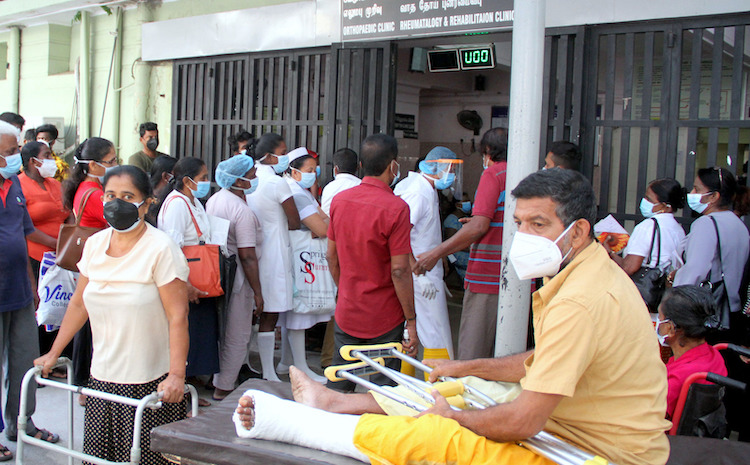

Sri Lanka’s post-crisis stabilisation has relied heavily on monetary tightening, fiscal consolidation, and structural reforms. While these measures have helped restore macroeconomic stability, they have also created a widening disconnect between interest rates and real disposable income a gap that is now shaping consumer behaviour, business performance, and long-term growth prospects.
The central question is becoming unavoidable: can an economy sustain recovery when households face stagnating real incomes while the cost of credit remains structurally high?
The Interest Rate Reality: Slow Easing, High Cost of Credit
Despite multiple rate cuts in 2024-2025, lending rates remain elevated across commercial banks. A combination of risk premiums, legacy balance-sheet pressures, and tight liquidity conditions keeps borrowing costs significantly above the levels required to stimulate broad-based consumption.
For households, this means:
- Credit card rates remain among the highest in the region.
- Personal loans and leasing facilities are still priced out of reach for middle-income earners.
- Even SMEs face restrictive borrowing conditions, limiting their ability to hire, expand, or manage working capital.
The result is predictable: credit-dependent consumption is muted, affecting retail, services, construction, and durable goods sectors.
Real Household Income Is Not Keeping Pace
On the other side, household incomes particularly in urban middle-income groups have not recovered at the same pace as macro indicators. Salary adjustments in the private sector vary widely, and many firms remain cautious due to structural cost pressures, tax burdens, and a fragile demand environment.
Inflation may have decelerated, but core living costs remain structurally high:
- Food inflation continues to outpace wage growth.
- Transport and energy costs remain elevated.
- Housing and education expenses contribute to sustained pressure on household budgets.
This combination means the real purchasing power of consumers is still considerably weaker than pre-2022 levels.
A Consumption Slowdown Is Already Underway
Supermarket footfall, discretionary retail, e-commerce basket sizes, and hospitality spending all signal a cooling in demand, especially outside festive periods. While corporate earnings appear stable in some sectors, much of this is driven by cost-cutting and price adjustments rather than genuine volume growth.
If this continues, Sri Lanka risks entering a demand-deficient recovery, where stabilisation is achieved but growth remains flat because households cannot spend.
High Rates vs. Low Income: The policy mismatch
Two forces are working directly against each other:
- Monetary policy is attempting to stabilise and gradually expand credit.
- Fiscal policy particularly higher taxes, VAT changes, and compliance pressures is reducing disposable income.
The consequence is a policy bottleneck that squeezes consumers from both ends.
Without a coordinated shift, the economy may continue to show stabilisation on paper while households experience no meaningful improvement in daily life.
Implications for the Private Sector
A prolonged gap between interest rates and income growth creates ripple effects:
- Retail & FMCG: Lower volume growth and increased price sensitivity.
- Automotive & Leasing: Weak demand for new vehicles and extended replacement cycles.
- Real Estate: Slow uptake in mortgages and stalled middle-income housing demand.
- SMEs: Reduction in working-capital cycles and delayed investment decisions.
- Banking Sector: Higher risk of non-performing loans as disposable income narrows.
If real incomes do not rise, even continuous rate cuts may fail to revive borrowing.

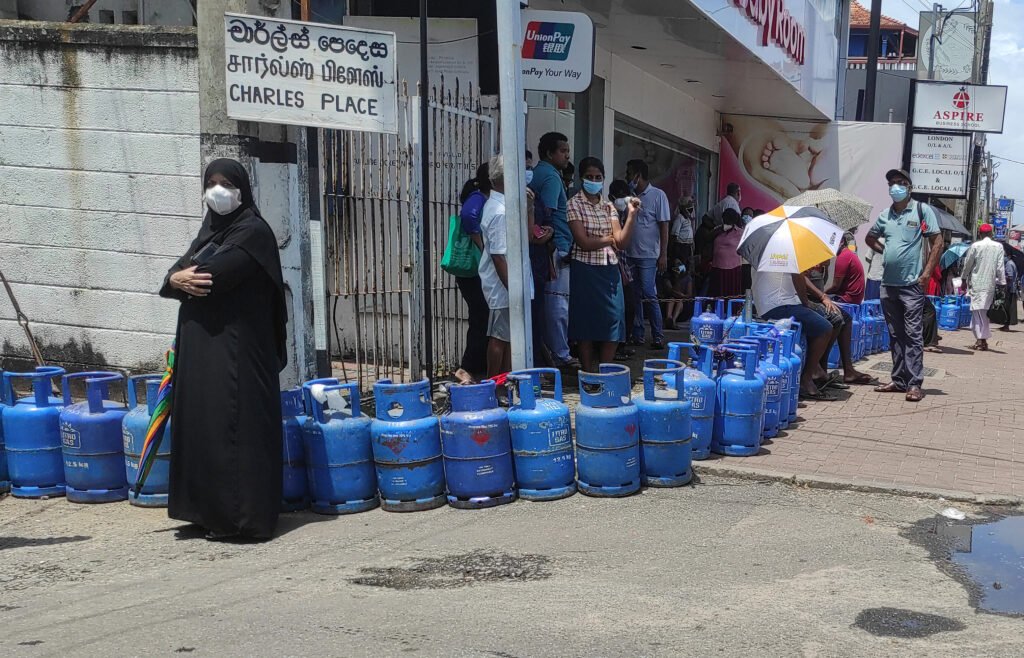
Is a Demand Crisis Likely?
Sri Lanka is not yet in a formal demand crisis, but indicators suggest an emerging consumption plateau. The danger lies in a scenario where:
- Households delay purchases indefinitely.
- Credit growth fails to pick up.
- Businesses hold back on expansion plans.
- The tax base weakens because income growth is stagnant.
This would create a self-reinforcing cycle that limits long-term growth.
What Sri Lanka Must Address
A sustainable path forward requires an integrated approach:
- Accelerate interest rate pass-through by reducing structural inefficiencies in the banking system.
- Introduce targeted wage reforms in the private sector, particularly for essential-service workers.
- Revisit tax burdens on the middle class to prevent long-term consumption suppression.
- Strengthen social safety nets to reduce vulnerability to price shocks.
- Improve SME credit access through risk-sharing facilities and credit guarantees.
Without addressing both sides cost of credit and household income, Sri Lanka risks delaying its recovery trajectory.
Is Sri Lanka Heading Toward a Demand Crisis?
Sri Lanka’s stabilisation phase has been necessary, but it now exposes a critical imbalance. As long as interest rates remain relatively high while real incomes stagnate, households will remain cautious, businesses will hold back, and growth will stabilise rather than accelerate.
The core question for policymakers is clear: can an economy truly recover if its consumers cannot?
Stay informed about how national policies affect your daily life. Follow CeylonPublicAffairs.com for analysis that prioritizes ordinary citizens’ perspectives over political rhetoric and economic jargon.