AI Cyber Risks in Sri Lanka: Why the IMF’s Financial Stability Warning Matters

Artificial intelligence is changing cybersecurity for attackers and defenders alike, but the IMF’s latest warning goes beyond stolen passwords and online fraud. A cyberattack on shared digital infrastructure could disrupt several financial institutions simultaneously, turning a technical failure into a broader economic problem. For Sri Lanka, where digital banking and payments are becoming increasingly important, the challenge is no longer simply preventing attacks. It is ensuring that essential financial services can continue, and recover quickly, when prevention fails.
Sri Lanka Financial System Stability 2026: Confidence Rises, External Risks Build
Sri Lanka’s financial institutions are more confident about system stability, yet the risk they fear most is increasingly coming from outside the country. CBSL’s latest Systemic Risk Survey shows global macroeconomic risks rising sharply in importance, creating a new question for the recovery: can stronger banks absorb the next external shock without passing excessive pressure to borrowers?
The Growing Gap Between Interest Rates and Real Consumer Income! Is Sri Lanka Heading Toward a Demand Crisis?
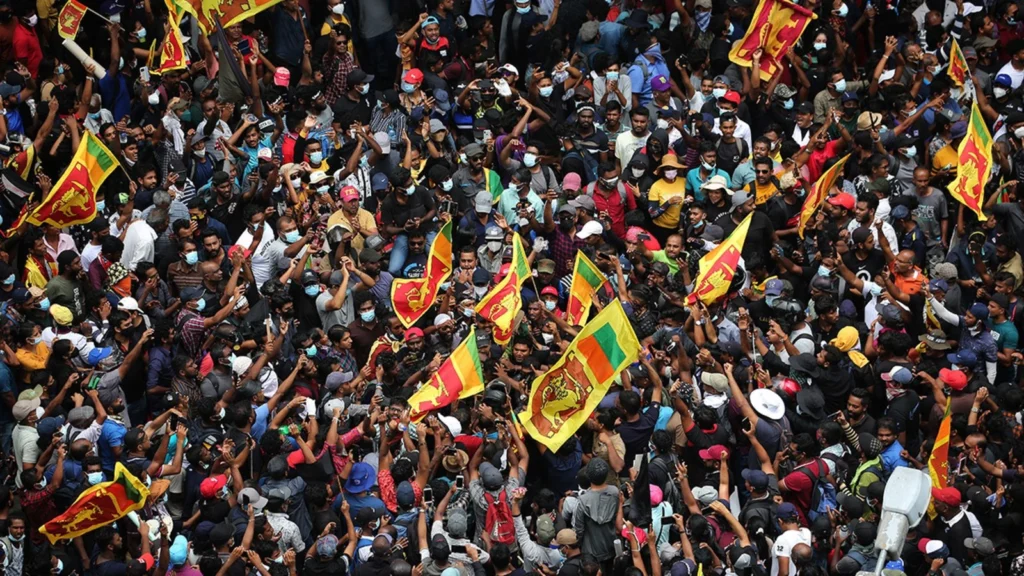
Sri Lanka’s post-crisis stabilisation has relied heavily on monetary tightening, fiscal consolidation, and structural reforms. While these measures have helped restore macroeconomic stability, they have also created a widening disconnect between interest rates and real disposable income a gap that is now shaping consumer behaviour, business performance, and long-term growth prospects. The central question is […]