
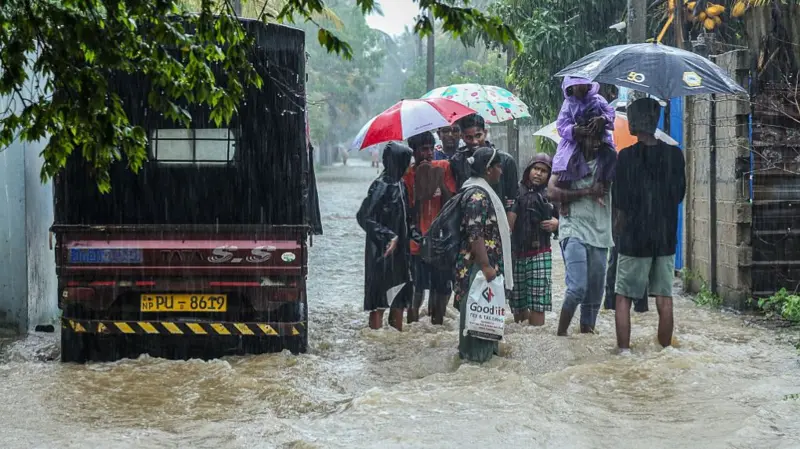
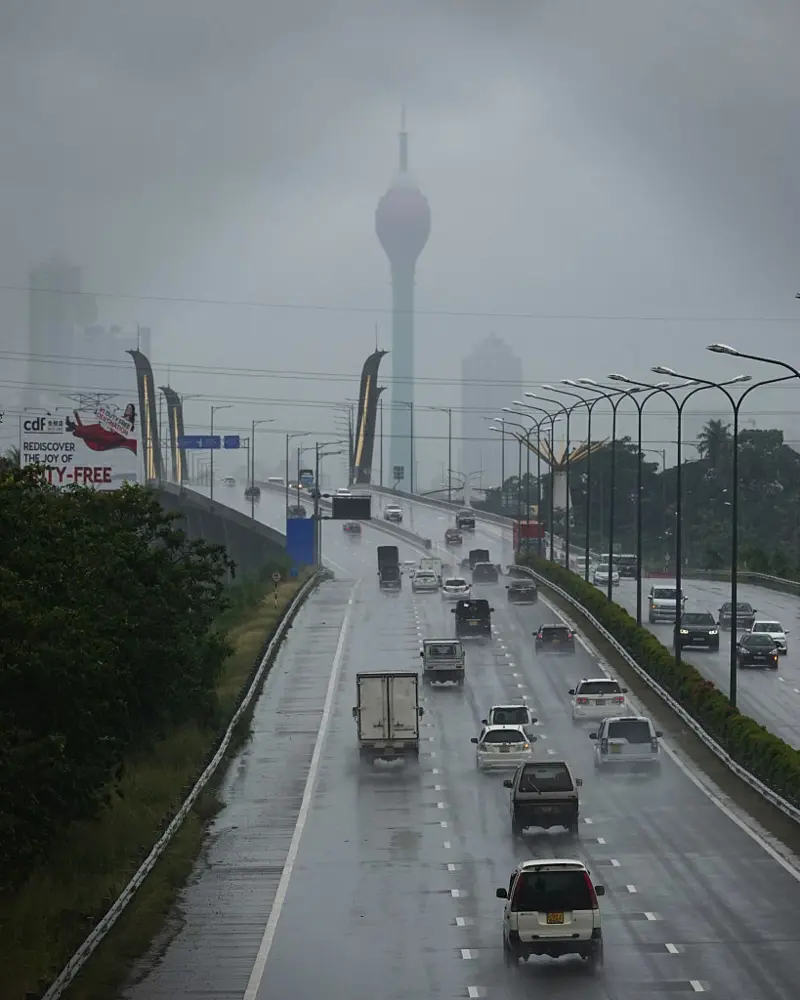
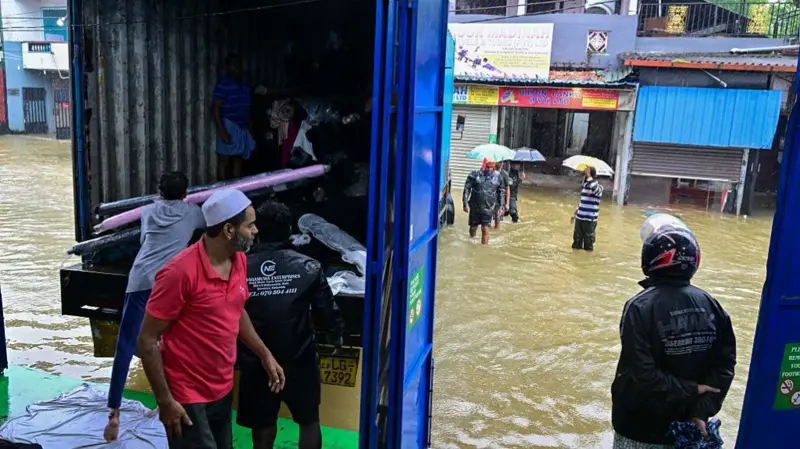
As of November 28, 2025, Sri Lanka is confronting one of its most dangerous weather events in recent years. Cyclone Ditwah, currently located approximately 40 kilometres southwest of Trincomalee, has made landfall and is moving in a north-northwest direction. The Department of Meteorology has issued warnings of heavy rainfall, strong winds, and rising flood risks across multiple provinces. At least 56 people have died and 21 remain missing following days of torrential rain and flash floods, with more severe weather expected through Friday.
Cyclone Ditwah’s Trajectory and Impact Zones
According to official forecasts, rainfall exceeding 200 mm is expected in the Northern, North Central, Western, and Sabaragamuwa provinces, while Galle, Matara, and Badulla districts may receive over 150 mm. Coastal regions such as Pottuvil and Batticaloa are already experiencing rainfall between 50 and 75 mm. Wind speeds are currently estimated at 60–70 km/h, with potential surges up to 100 km/h depending on location.
The cyclone is expected to exit Sri Lankan territory and move toward the Indian coastline by November 30, but until then, the island remains under high alert. Southern regions may see rainfall ease by Saturday, but central and northern districts are likely to face continued disruption.
Public Risk and Emergency Response
The flooding has already displaced thousands, damaged homes, and disrupted transport and communication networks. Emergency teams are on standby, and authorities have urged residents in low-lying areas to evacuate or take immediate precautions. The Kelani River Basin, in particular, is under red alert for potential flooding, with water levels rising rapidly and threatening urban zones including Colombo, Kaduwela, Hanwella, and Kelaniya.
President Anura Kumara Dissanayake has instructed District Secretaries to proceed with rescue and relief operations without delay. Rs. 1.2 billion has been allocated for immediate disaster relief, with an additional Rs. 30 billion earmarked in the 2025 Budget for emergency needs. The Sri Lanka Army has been tasked with managing relief centres, and officials have been directed to report urgently on equipment requirements such as boats, helicopters, and vehicles.
Economic and Infrastructure Implications
The cyclone’s impact is not limited to human safety. Flooding and wind damage threaten agricultural zones, transport corridors, and urban infrastructure, particularly in districts already weakened by previous monsoon cycles. Power outages, school closures, and supply chain disruptions are expected to continue into the weekend.
For Sri Lanka’s recovering economy, this weather emergency presents a serious challenge. The country is still stabilizing after years of fiscal strain, and natural disasters place additional pressure on public resources, insurance systems, and local businesses. The tourism sector, which had shown signs of revival, may also face setbacks due to travel advisories and infrastructure damage.
Public Advisory and Preparedness
Authorities have issued clear guidance for residents:
- Avoid travel in flood-prone and coastal areas.
- Secure essential documents and valuables.
- Remove vehicles from low-lying zones.
- Follow official alerts via radio, television, and verified online platforms.
- Use emergency contact numbers (119, 118, 117) for assistance.
The Meteorology Department continues to monitor Cyclone Ditwah’s movement and will issue updates as conditions evolve. Residents are urged to remain vigilant and prioritize safety over mobility or property concerns.
Stay Safe
Cyclone Ditwah has placed Sri Lanka in a state of emergency. With lives lost, communities displaced, and infrastructure under threat, the coming hours are critical. Public cooperation, swift government response, and accurate information will be essential to minimize further damage and safeguard vulnerable populations.
Ceylon Public Affairs will continue to provide verified updates and policy analysis as the situation develops.