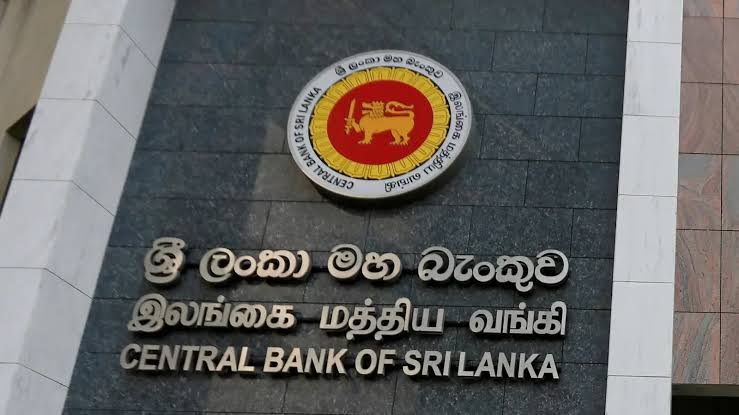

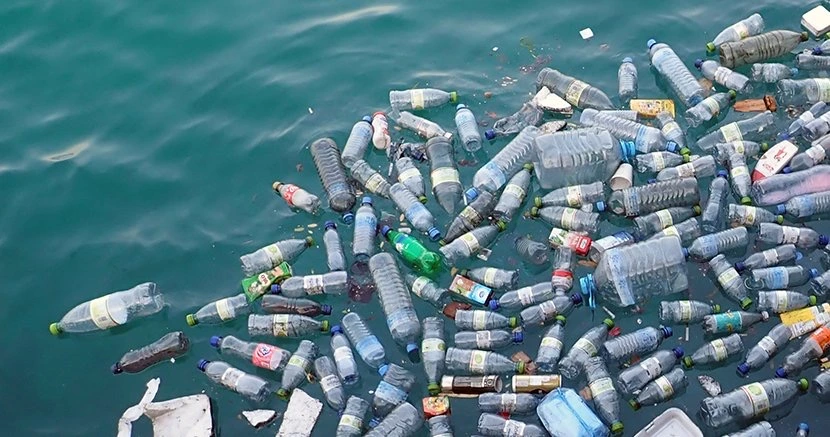
Sri Lanka has taken another bold stride in the battle against plastic pollution. From 31 May 2026, the purchase and use of single-use plastic bottles has been officially banned across all state institutions nationwide. A special circular issued by the Ministry of Public Administration, Provincial Councils and Local Government places direct responsibility on heads of institutions to ensure full compliance and prevent the use of these items in government offices, schools, hospitals and public buildings.
This latest move closely mirrors the country’s successful polythene shopping bag levy introduced in November 2025, the very initiative that drew worldwide attention and positive coverage for Ceylon Public Affairs. But will this institutional ban spark the same nationwide behavioural shift? In this interactive public affairs analysis, we examine the environmental threat, policy rationale, early impacts, proven global models and the role of biodegradable alternatives. We also invite you, our readers, to reflect: What small change can each of us make to support a plastic-smarter Sri Lanka?
Also in Explained | Sri Lanka’s Plastic Bag Levy: A Promising Start to Curbing Single-Use Waste
The Plastic Predicament – Why Target Bottles Now?
Single-use plastic water bottles have become one of the most visible symbols of Sri Lanka’s plastic waste crisis. Designed for convenience but lasting for centuries, they clog waterways, harm marine life and break down into microplastics that enter our food chain. The National Action Plan on Plastic Waste Management (2021–2030) has long identified single-use plastics as a priority, yet consumption in public institutions continued to fuel the problem.
By starting with the public sector, which serves as a powerful role model the government is building directly on the momentum of the 2025 polythene bag levy. That earlier policy already demonstrated that clear, enforceable directives can reduce visible litter and encourage reusable alternatives. The new circular extends this logic to plastic bottles, signalling a consistent, step-by-step approach to curbing single-use plastics at source.
Rollout and Institutional Response
The ban took immediate effect on 31 May 2026 following the Ministry circular. Heads of all state institutions have been instructed to stop procurement of single-use plastic bottles and actively prevent their use within premises. Early feedback from government offices, provincial councils and educational institutions shows rapid adoption of water dispensers, filtered systems and reusable bottles.
This top-down leadership mirrors the successful rollout of the polythene bag levy, where retailer cooperation and public awareness combined to deliver quick results. The current policy again emphasises the 3R principles – Reduce, Reuse, Recycle; making it not just a ban, but a practical nudge toward sustainable habits in everyday public spaces.
Early Impacts and Public Sentiment
Just week into implementation, the ban is already creating visible change. Many institutions report switching to reusable options, reducing daily plastic waste significantly. Public sentiment appears largely supportive, with citizens recognising the link between government action and cleaner beaches, rivers and neighbourhoods; the same positive response that greeted the polythene bag levy.
Yet challenges remain familiar: ensuring consistent enforcement, making affordable reusable or biodegradable alternatives widely available, and extending the mindset shift beyond government walls into homes and private workplaces. These are exactly the issues Ceylon Public Affairs highlighted in our earlier analysis of the shopping bag initiative.
Global Success Stories: Lessons Sri Lanka Can Apply
Countries that tackled single-use plastics head-on offer clear blueprints. Rwanda’s comprehensive ban on plastic bags and bottles since 2008, backed by community clean-up programmes, turned Kigali into one of Africa’s cleanest capitals and boosted eco-tourism. In Europe, Norway and Germany’s Deposit Return Schemes have achieved recycling rates above 97% for plastic bottles by giving consumers a direct financial incentive to return them.
The European Union’s Single-Use Plastics Directive further demonstrates the power of combining bans with collection targets and alternatives promotion. Closer to home, India’s state-level experiments with compostable packaging under the Swachh Bharat Mission show how local innovation can support national goals. These models prove that institutional leadership, when paired with public engagement and viable alternatives, delivers lasting environmental gains.
The Rise of Biodegradable Alternatives: Market Insights
Transitioning successfully requires practical substitutes. According to Precedence Research’s Biodegradable Plastic Market report (updated March 2026), the global market was valued at USD 5.36 billion in 2025 and is projected to reach USD 21.54 billion by 2035, growing at a CAGR of 14.92%. Government bans on conventional plastics and rising environmental awareness are the main drivers, with Asia-Pacific emerging as the fastest-growing region.
Starch-based and PHA plastics are gaining traction in packaging and food-service applications areas directly relevant to replacing single-use bottles. For Sri Lanka, this global trend opens a window to develop local biodegradable production, reduce import dependence and create green jobs while advancing the circular economy.
Practical Steps and Public Participation
The real test of this policy lies in everyday actions. Here are immediate steps for different stakeholders:
- Government institutions and schools: Install water dispensers, provide reusable bottles to staff and students, and update procurement guidelines.
- Parents and families: Encourage children to carry reusable bottles to school and model the behaviour at home.
- Private sector and businesses: Voluntarily adopt similar plastic-free policies and explore biodegradable packaging.
- Citizens and communities: Choose reusables, support local alternatives and gently remind public spaces of the new rules.
Question for readers: What one change will you make this week to reduce single-use plastic bottle use in your daily routine? Share your thoughts with us, your ideas could inspire others.
Looking Ahead – Toward a Plastic-Smart Ceylon
Sri Lanka’s 2026 single-use plastic bottle ban in government institutions is more than a regulatory step, it is a continuation of the proactive governance that made the polythene bag levy a success story. By leading from the front, the government is once again demonstrating that environmental protection and public service improvement can go hand in hand.
Long-term success will depend on sustained monitoring, expanded public awareness, investment in biodegradable alternatives and possibly a national Deposit Return Scheme. Continued collaboration between the Ministry of Environment, provincial authorities, the private sector and civil society will be key.
Conclusion
The single-use plastic bottle ban marks another important milestone in Sri Lanka’s journey toward a cleaner, more sustainable future. Building on the worldwide attention received by our earlier analysis of the polythene shopping bag levy, this policy shows the government’s commitment to tackling plastic pollution step by step.
The real question now is not whether the ban will work, but how quickly we, as a nation, embrace the change. Every reusable bottle carried, every institution that complies, and every citizen who participates brings us closer to a plastic-smart Ceylon.
Also in Explained | Beyond Bags: Can Sri Lanka Embrace Sustainable Alternatives to Everyday Plastics?