

Sugar consumption is deeply embedded in Sri Lankan daily life. From the morning cup of tea with several teaspoons of sugar to traditional sweets during festivals and snacks for children, most families consume sugar regularly. Recent data shows that the average Sri Lankan consumes about 34 kilograms of sugar per year, which is more than three times the World Health Organization’s recommended limit of 10 kilograms annually for a healthy adult.
This high level of consumption raises important questions about health, particularly the rising rates of diabetes and related conditions. For ordinary Sri Lankans parents packing school lunches, office workers taking tea breaks, or grandparents enjoying sweets with family the issue is not abstract. It affects daily choices and long-term well-being. This article examines verified consumption patterns, health implications, and practical steps for moderation based on official and health authority data.
Also in Explained | One Day the Chair Will Be Empty: A Gentle Reminder for Every Sri Lankan Family
Current Sugar Consumption Patterns
Consultant Dental Surgeon Dr. Chandana Gajanayake highlighted in March 2026 that the average annual sugar intake per person in Sri Lanka stands at approximately 34 kg. This figure is consistent across recent health briefings and aligns with earlier Faostat data showing 37.4 kg per capita in 2023, indicating sustained high levels.
Sugar enters diets through:
- Beverages: Tea and coffee, staples in most households, often sweetened heavily.
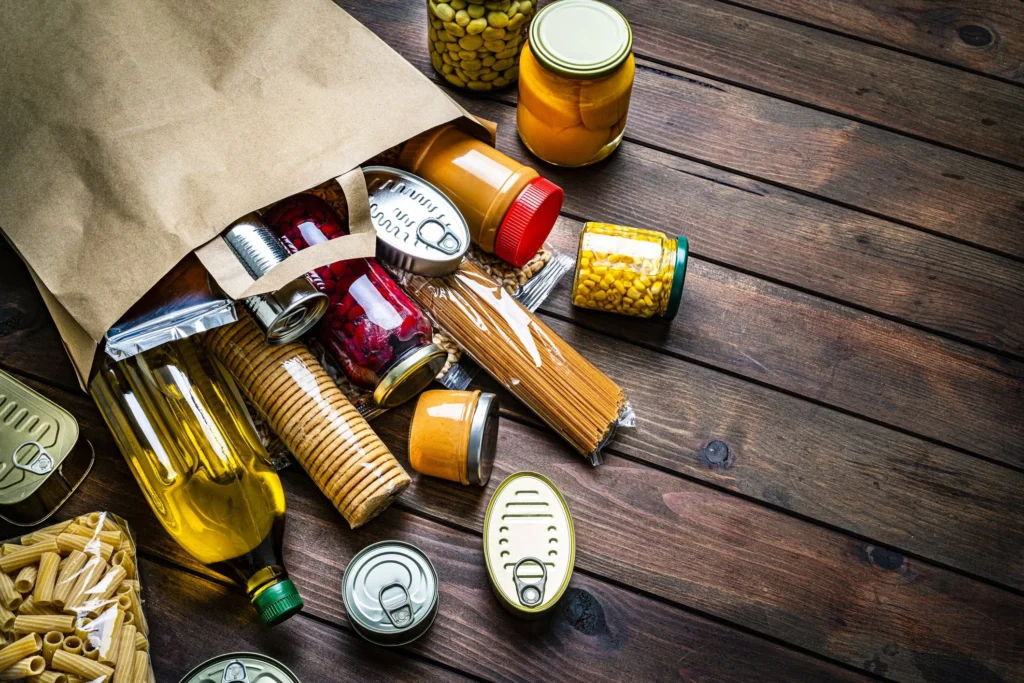
- Processed foods: Biscuits, cakes, ice creams, and soft drinks.
- Traditional sweets: During festivals and special occasions.
Urban and rural households both show high intake, though urban areas may have more access to processed sugary items. Children and adolescents are particularly exposed through snacks and beverages, contributing to early habits that persist into adulthood.
The gap between actual consumption and WHO guidelines is significant. The WHO recommends limiting free sugars to less than 10% of total daily energy intake, ideally under 5% for additional health benefits. For an average adult, this translates to roughly 25 grams (about 6 teaspoons) per day, or around 9–10 kg per year.
Health Implications: Links to Diabetes and Other Conditions
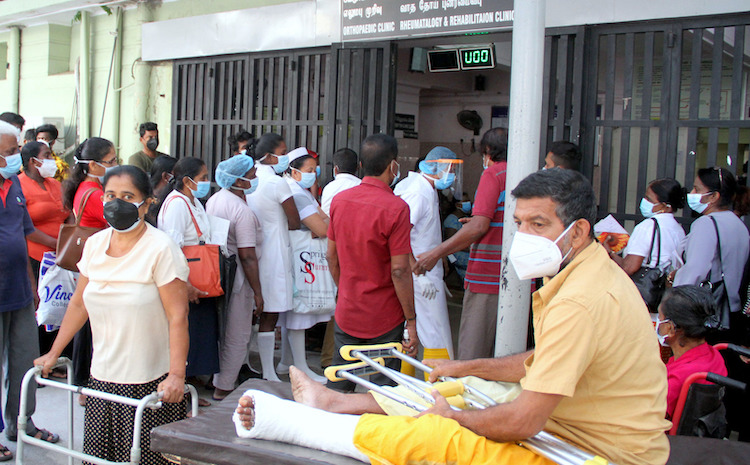
High sugar intake is a major risk factor for non-communicable diseases. Sri Lanka has one of the highest diabetes prevalence rates in the South-East Asia region. Recent studies show that among adults in the Western Province, the age-sex standardised prevalence of diabetes is 27.8%, with over one-third undiagnosed. Nationally, estimates indicate around 1.6 million adults living with diabetes in 2024, projected to rise to 1.9 million by 2050.
Diabetes brings complications such as kidney disease, cardiovascular problems, and vision loss, placing heavy burdens on families and the healthcare system. Excess sugar also contributes to obesity, tooth decay, and fatty liver disease.
Public experiences reflect these concerns. Many families notice weight gain or fatigue linked to sugary diets, while dental clinics report increasing cases of decay among children. The link is clear: high consumption over years increases risk, especially when combined with sedentary lifestyles and limited physical activity.
Why Consumption Remains High
Several factors drive Sri Lanka’s elevated sugar intake:
- Cultural habits: Sweet tea and desserts are part of daily and festive traditions.
- Affordability and availability: Sugar is inexpensive and widely available.
- Marketing: Sugary beverages and snacks target children and youth.
- Lack of awareness: Many underestimate daily intake from hidden sources in processed foods.
Economic recovery has also played a role, with increased purchasing power leading to higher consumption of convenience foods.
Government and Health Initiatives
Sri Lanka has taken steps to address the issue. The Health Ministry has strengthened sugar tax measures on sweetened beverages and launched awareness campaigns on healthy eating. Regulations on traffic-light labelling for sugar, salt, and fat content in packaged foods help consumers make informed choices.
Public health experts continue to advocate for further actions, such as clearer guidelines on daily limits and school-based education programmes.
Practical Steps for Individuals and Families
Reducing sugar intake does not require drastic changes. Small, consistent adjustments can make a difference:
- Gradually reduce sugar in tea and coffee.
- Choose fresh fruits over sugary snacks.
- Read labels on packaged foods to identify hidden sugars.
- Encourage children to drink water or unsweetened beverages.
- Promote home-cooked meals with natural flavours.
Communities and schools can support this through awareness sessions and healthier canteen options.
A Balanced Approach for Better Health
Sri Lanka’s average sugar consumption of around 34 kg per person annually far exceeds WHO recommendations, contributing to rising diabetes and related health issues. While cultural and economic factors sustain high intake, awareness and small changes offer a practical way forward.
For families, the focus is on balance enjoying traditions while protecting health. Government efforts through taxation and education provide support, but individual choices remain key.
As Sri Lankans continue to enjoy tea and sweets, mindful consumption can help reduce long-term risks. Lower intake supports better energy levels, weight management, and overall well-being, benefiting individuals and the nation’s health system.
In homes across the island, from morning tea tables to school snack times, informed decisions today shape healthier tomorrows.
Also in Explained | Can Hard Work Be Learned? Uber CEO’s Straight Talk and Lessons for Sri Lanka