
Sri Lanka education sector ratios have recorded notable progress according to the latest official data released in 2026. The 2024 Census of Population and Housing, alongside the Annual School Census for the 2024 academic year (conducted in early 2025), reveals steady gains in literacy, educational attainment, and gender parity, together with student-teacher ratios that reflect both overall strengths and ongoing regional disparities. These shifts occur amid Sri Lanka’s rapid demographic transition, making the quality and relevance of human capital central to future socioeconomic stability.
The Department of Census and Statistics and the Ministry of Education provide the most authoritative figures. Literacy rates have reached historic highs, female participation in higher education shows continued gains, and national student-teacher ratios remain favourable by regional standards. However, challenges persist in equitable teacher distribution and aligning educational outcomes with evolving economic needs. This article examines the key ratios, their underlying drivers, and the broader socioeconomic implications.
Also in Explained | Sri Lanka Faces Alarming Rise in Pan-Resistant Bacteria: A Newborn Blood Culture Shows Resistance to Every Tested Antibiotic
Key Findings on Literacy and Educational Attainment from the 2024 Census
The national language literacy rate for the population aged 10 years and over stood at 97.4 percent in 2024, up from 95.7 percent in the 2012 Census. For the first time since census-taking began in 1881, the gender gap has effectively closed, with male literacy at 97.9 percent and female literacy at 97.0 percent. This near-parity represents a significant milestone in educational equity.
Among the population aged 25 years and over, 58.4 percent have attained at least secondary-level education, with this proportion consistent across both sexes. The share holding G.C.E. (O/L) or higher qualifications rose to 48.2 percent (6,690,333 individuals) from 37.3 percent in 2012. The proportion with tertiary education as the highest qualification increased from 18.2 percent to 26.2 percent, with females recording a more pronounced rise and now exceeding males in this category. Correspondingly, the proportion with no schooling or only primary education has declined substantially.
These improvements stem from long-standing investments in free education, expanded school infrastructure, and increased female enrolment across levels. The data confirm that Sri Lanka continues to maintain one of the strongest foundational education systems in South Asia while progressively lifting upper-secondary and tertiary participation.
Shifts in School Enrollment and Gender Parity Ratios
The Annual School Census recorded 3,816,234 students enrolled in 10,076 government schools. Female students accounted for 50.5 percent (1,927,614), while males comprised 49.5 percent (1,888,620). This slight female majority in overall enrolment aligns with broader trends of higher female retention and progression through the school system.
Grade-cycle breakdowns indicate 38.6 percent of students in the primary cycle (Grades 1–5), 33.7 percent in junior secondary (Grades 6–9), 16.7 percent in senior secondary O/L (Grades 10–11), and 10.8 percent in A/L (Grades 12–13). Grade 1 admissions totalled 282,293, maintaining near gender balance.
National schools enrolled 21.8 percent of all students, while provincial schools served the remaining 78.2 percent. Female representation remained particularly strong in higher-category schools. These figures indicate sustained gender parity or a slight female advantage in access and continuation, consistent with census findings on tertiary attainment.
Student-Teacher Ratios and Resource Distribution
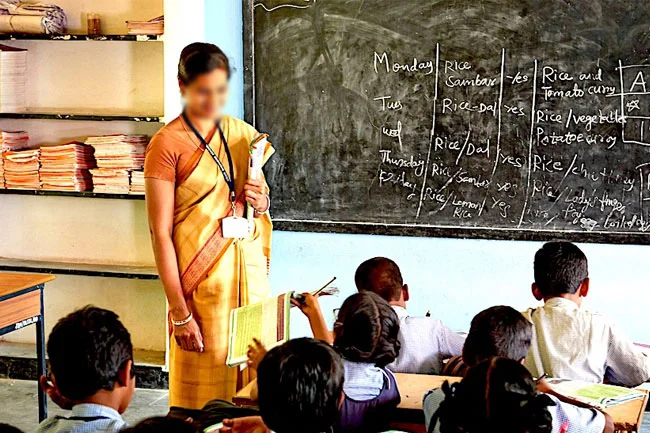
The overall student-teacher ratio across government schools stood at 16:1. National schools recorded a higher ratio of around 19–20:1, while provincial schools operated at around 15:1. Variations exist by school type and size: larger or more popular schools often exceed 20:1, while smaller rural or Type 2 and Type 3 schools frequently record much lower ratios.
Total teaching staff (including principals) reached 238,506, of whom approximately 76.9 percent were female. While the national average compares favourably internationally for a middle-income country, disparities in teacher deployment remain evident. Over 3,100 schools operate with fewer than 10 teachers, and resource pressures are more pronounced in rural, estate-sector, and remote institutions. These variations underscore the importance of more equitable staff distribution alongside continued infrastructure investment.
Rising Digital Literacy and Modern Skill Ratios
The 2024 Census introduced key metrics on contemporary competencies. Digital literacy among those aged five years and over reached 67.6 percent, while computer literacy stood at 34.7 percent. Youth cohorts led these figures: the 15–19 age group recorded the highest digital literacy, and the 20–24 group the highest computer literacy. Notably, more than 15 percent of individuals aged 70 and above were digitally literate, indicating broad intergenerational progress.
Higher educational attainment correlates strongly with digital proficiency. These ratios signal Sri Lanka’s accelerating shift toward a digital economy and complement the census observation that improved education levels associate with lower self-reported prevalence of certain non-communicable diseases, suggesting wider health-literacy benefits.
Socioeconomic Impacts of Changing Sri Lanka Education Sector Ratios
Advancements in education ratios carry direct consequences for labour productivity, gender equity, and long-term fiscal sustainability. A more educated and digitally literate workforce can help mitigate the effects of a shrinking working-age population and low fertility rates observed in the same census. Higher tertiary participation, especially among females, broadens the talent pool for knowledge-intensive sectors such as information technology, healthcare, and education.
Gender parity in literacy and near-parity in enrolment support greater female labour-force participation over time, potentially reducing caregiving burdens on families and contributing to household income growth. However, these benefits depend on successful translation into suitable employment. Skill mismatches could arise if tertiary graduates face limited opportunities aligned with their qualifications. The strong female presence among teaching staff provides positive role modelling but may also reflect occupational patterns that merit attention in career guidance and labour-market policies.
Challenges and Forward-Looking Policy Considerations
Despite clear ratio improvements, structural issues persist. Imbalances in teacher distribution between urban national schools and rural provincial institutions, combined with varying student-teacher ratios by school size and location, require targeted interventions. Planned curriculum reforms for 2026, introducing competency-based learning, entrepreneurship, and updated digital skills in early grades, aim to enhance the relevance of education to future labour-market demands.
Regional disparities in access and quality also warrant continued focus. While national averages are strong, certain estate-sector and remote districts lag in attainment indicators. Public-private partnerships, expanded scholarships, and flexible learning pathways could help sustain momentum.
As the population ages, investment in lifelong learning becomes increasingly important. Expanding adult digital-literacy programmes and upskilling initiatives for the existing workforce can ensure that education ratios continue to drive inclusive growth rather than exacerbate urban-rural or generational divides.
Charting a Balanced Path Forward
The latest census and school-census data present an encouraging yet nuanced picture: Sri Lanka education sector ratios are advancing steadily in literacy, attainment, gender balance, and digital competencies. These gains position the country to build a high-quality, resilient human-capital base amid ongoing demographic change. Realising the full socioeconomic dividend will require addressing remaining disparities, aligning curricula more closely with emerging job markets, and sustaining equitable investment.
With thoughtful implementation of reforms and continued data-driven monitoring, Sri Lanka can transform its strong educational foundation into sustained inclusive prosperity for current and future generations.
Also in Explained | The Antibiotic Crisis in Sri Lanka: Why Your Health Depends on Understanding This Now