
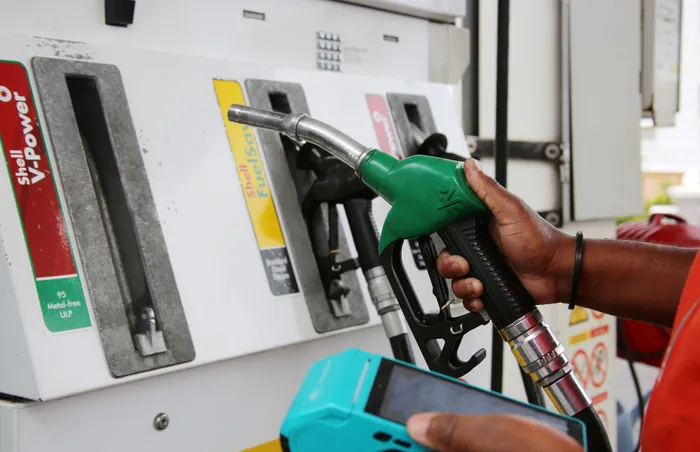
Sri Lanka Fuel Prices Surge | The Ceylon Petroleum Corporation (Ceypetco) has announced another round of fuel price increases, effective from midnight on March 9, 2026, citing rising global crude oil costs triggered by escalating conflict in the Middle East. This revision comes just days after the government assured the public of adequate fuel stocks amid earlier panic buying.
The new prices, which Lanka IOC has also adopted, are:
- Auto Diesel: Rs. 303 per litre (up Rs. 22)
- Super Diesel (Euro 4): Rs. 353 per litre (up Rs. 24)
- Petrol 92 Octane: Rs. 317 per litre (up Rs. 24)
- Petrol 95 Octane: Rs. 365 per litre (up Rs. 25)
- Kerosene: Rs. 195 per litre (up Rs. 13)
These adjustments reflect the monthly pricing formula that tracks international benchmarks, exchange rates, and import costs. The hikes follow a smaller revision at the end of February 2026 and mark the direct transmission of global oil market volatility to Sri Lankan consumers.
Also in Explained | Is Sri Lanka Ready for the Next Global Economic Shock?
Why Sri Lanka Fuel Prices Are Rising: The Global Trigger
Global oil prices have climbed sharply since early March 2026 due to heightened tensions involving Iran and Western allies. Fears of supply disruptions through the Strait of Hormuz which handles roughly 20% of global oil trade have pushed benchmark crude higher. Sri Lanka, which imports nearly all its petroleum needs, has no buffer against these external shocks.
The timing is particularly challenging. Earlier in the month, long queues formed at fuel stations as citizens worried about shortages. Authorities reassured the public that stocks were sufficient (petrol for 37 days and diesel for 35 days), but the underlying cost pressure could no longer be absorbed. The latest increase is a direct pass-through of higher import bills rather than any domestic policy change.
Impact on Households and Daily Life
For the average Sri Lankan family, this hike translates into higher daily expenses. Three-wheelers, buses, and private vehicles the backbone of daily commuting will see immediate cost increases. A typical household filling a 50-litre tank of 92-octane petrol will now pay an extra Rs. 1,200 compared to before this revision.
Transport operators are already warning of fare adjustments. School van services, delivery riders, and public buses are expected to pass on some of the burden, adding pressure on family budgets already stretched by post-economic-crisis realities.
Kerosene users, including many low-income households and rural families relying on it for cooking and lighting, face an additional Rs. 13 per litre. While the absolute increase appears modest, it compounds the cost-of-living burden for vulnerable groups.
Food prices are likely to feel the ripple effect soon. Higher diesel costs raise the price of transporting vegetables, fish, and essential goods from farms and ports to markets. Inflation, which had been easing, could face renewed upward pressure in the coming weeks.
Broader Economic Implications
Sri Lanka’s economy remains sensitive to energy costs. Remittances from the Middle East, a key foreign exchange source and tourism could face secondary risks if the regional conflict deepens. At the same time, higher global oil prices inflate the country’s import bill, straining the balance of payments and foreign reserves.
The government operates a cost-reflective pricing mechanism to avoid the massive subsidies that contributed to earlier fiscal problems. While this approach brings transparency, it also means Sri Lankans feel global shocks quickly and directly.
Analysts note that sustained high oil prices (potentially moving toward USD 90–100 per barrel if disruptions worsen) could add further pressure in coming months. However, current stocks provide a short-term cushion, giving authorities time to monitor the situation.
What This Means for Consumers and the Way Forward
This is the second notable fuel price adjustment in recent weeks, highlighting Sri Lanka’s vulnerability as a net energy importer. For motorists, the practical advice is clear: plan journeys efficiently, maintain vehicles for better mileage, and consider carpooling or public transport where possible.
For the wider economy, the revision underscores the need for long-term strategies accelerating renewable energy adoption, improving refinery efficiency, and diversifying fuel sources to reduce dependence on volatile global markets.
In the immediate term, the focus remains on managing the impact without panic. The government has not indicated any subsidy interventions, sticking to the market-linked formula. Families and businesses will need to absorb the increase while hoping for de-escalation in the Middle East to ease future pressure.
As Sri Lanka continues its economic recovery journey, every rupee added to the pump price serves as a reminder of how interconnected our daily lives are with distant global events. The latest hike may feel like just another adjustment, but its cumulative effect on household budgets and national costs will be felt for months to come.
Also in Explained | Oil Prices Surge After Gulf Conflicts and Strait of Hormuz Tensions: Impact on Sri Lanka’s Fuel Costs in March 2026