
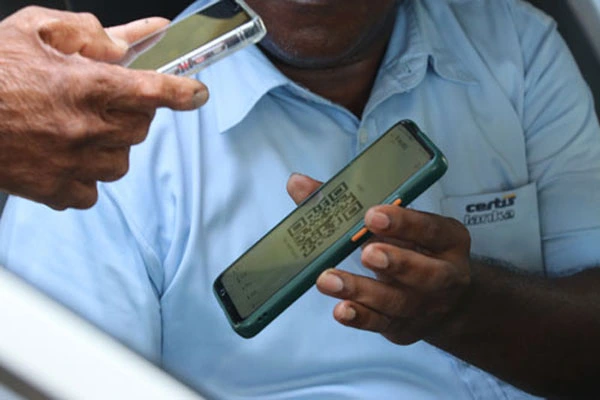
Sri Lanka has reactivated its QR-based National Fuel Pass system starting at 6:00 a.m. on March 15, 2026. The move comes as supply chains face pressure from ongoing conflict in the Middle East and unusually high domestic demand is straining limited fuel reserves. The system aims to ensure fair distribution, prevent illegal hoarding and black-market sales, and keep essential economic activities running smoothly.
This is not a new concept for Sri Lankans. During the 2022 economic crisis, a similar QR pass helped ration scarce fuel and reduce long queues at stations. The reintroduction in 2026 reflects the same principle: when external shocks threaten supply, controlled distribution becomes necessary to protect both ordinary citizens and the broader economy.
Also in Explained | CEB Proposes 13.56% Electricity Tariff Hike for April-June 2026
Why the System Is Back Now
The decision is driven by two clear pressures. First, geopolitical developments in the Middle East have disrupted petroleum supply routes, raising global prices and creating uncertainty for importers like Sri Lanka. Second, domestic demand has surged abnormally in recent weeks, partly due to earlier fuel price hikes and concerns over future availability. This combination has placed additional strain on the country’s reserves.
Officials have also noted cases of illegal fuel hoarding and black-market activity by certain groups. Without controls, these practices could quickly deplete stocks meant for daily commuters, public transport, and essential services. The QR system is designed to address exactly these risks by linking fuel purchases to verified vehicle and user details.
The government has emphasised that the measure is temporary and targeted. It is not intended to create permanent restrictions but to safeguard limited stocks during a period of external volatility.
How the QR-Based National Fuel Pass Works
The system is straightforward and fully digital. Every vehicle owner must obtain a unique QR code tied to their vehicle registration and mobile number. From March 15 onward, no filling station will issue fuel without scanning a valid QR code.
Step-by-step guide for obtaining and using your QR code:
- For existing users (unchanged vehicle and mobile number):
Visit the official portal (fuelpass.gov.lk) from midnight on March 14. Log in using your registered mobile number. Your previous details will appear, and you can instantly download or send the new QR code to your phone. No additional registration is required. - For users with changes (new vehicle, updated mobile number, or ownership transfer):
From 6:00 a.m. on March 15, go to the same portal and complete a quick online re-registration. You will need your National Identity Card (NIC) number, vehicle registration details from the Department of Motor Traffic (RMV), and your current mobile number. The process takes only a few minutes. - For first-time users or those never registered before:
Register afresh on the portal starting March 15. Enter your NIC, vehicle details, and mobile number. Once verified, your personal QR code will be generated immediately. - At the filling station:
Show the QR code on your phone to the attendant. The system will automatically check your allocated quota (based on vehicle type and category) and authorise the purchase. The attendant scans the code, and fuel is dispensed only up to your daily or weekly limit.
The QR code serves as mandatory authorisation for all vehicle categories cars, motorcycles, three-wheelers, vans, and commercial vehicles. Quotas are set to cover normal usage while preventing excessive purchases.
Benefits for Consumers and the Economy
The primary goal is fairness. By linking purchases to verified identities, the system stops individuals from buying multiple tanks or reselling fuel at inflated prices. This protects genuine users who rely on fuel for work, school runs, or essential services.
For the broader economy, controlled distribution helps maintain stability. Public transport operators, delivery services, and emergency vehicles can continue operating without fear of sudden shortages. Businesses that depend on reliable fuel supply from agriculture to tourism benefit from predictable access.
The system also reduces panic buying. When people know fuel is managed fairly, queues at stations tend to shorten, easing daily stress for millions of drivers.
Challenges and Practical Considerations
No system is perfect, and this one comes with adjustments. Some drivers may need time to register or download their code, especially on the first day. Older citizens or those less comfortable with smartphones may require help from family members or station staff.
The government has prepared support measures. Helplines and assistance desks at major filling stations will guide users through registration. Vehicle owners are encouraged to complete the process early to avoid any inconvenience at the pump.
Long queues could still form on the first few days as people adjust, but authorities expect the system to stabilise quickly once most vehicles are linked to their QR codes.
Looking Ahead: A Temporary Measure with Long-Term Lessons
This reintroduction is a direct response to current pressures, but it also highlights Sri Lanka’s vulnerability as a fuel-importing nation. External conflicts thousands of kilometres away can quickly affect daily life here. The episode reinforces the importance of building stronger buffers better storage capacity, diversified import sources, and accelerated renewable energy adoption.
For now, the QR system offers a practical way to manage scarcity without total shutdowns. It prioritises essential needs while discouraging waste and profiteering.
Every Sri Lankan driver is encouraged to act promptly. Visit the official portal today, secure your QR code, and keep it ready on your phone. A few minutes of preparation can prevent hours of waiting later.
In times of uncertainty, small measures like this help the country move forward together. The National Fuel Pass is not about restriction for its own sake, it is about ensuring that limited resources reach those who need them most, so daily life and economic activity can continue with minimum disruption.
Sri Lanka has faced fuel challenges before and emerged stronger. This latest step is another reminder of resilience: by working within clear rules and supporting one another, the nation can navigate external shocks while keeping essential services running for everyone.
Also in Explained | How Is the Middle East Conflict Affecting Sri Lanka’s 2026 Tourism Targets?