
Analyzing the Push for Surveillance as a Solution to Gender-Based Violence
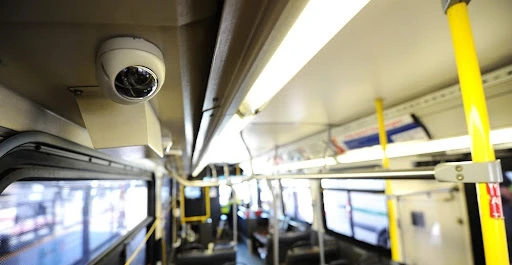
The announcement by Transport Minister Bimal Ratnayake on November 24, 2025, regarding mandatory CCTV installation in public transport has ignited a crucial conversation about safety, surveillance, and societal accountability in Sri Lanka. This initiative, targeting buses, trains, and school vans, positions technology as the frontline defense against gender-based violence in public spaces. But does surveillance alone address the root causes of harassment, or are we placing cameras where cultural change should be?
The Reality of Harassment in Sri Lankan Public Transport
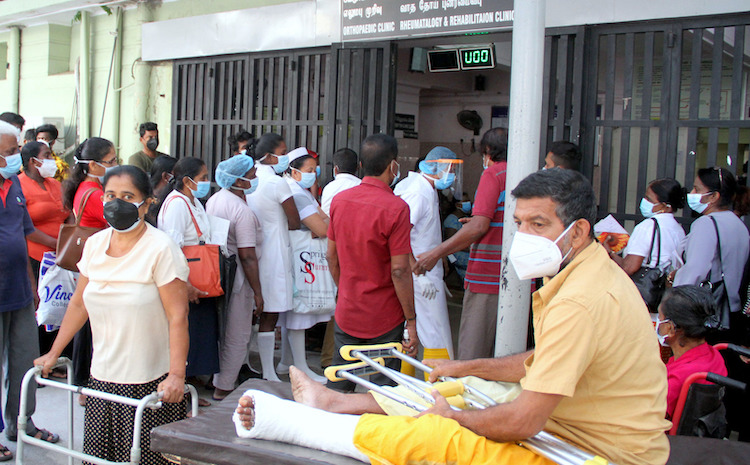
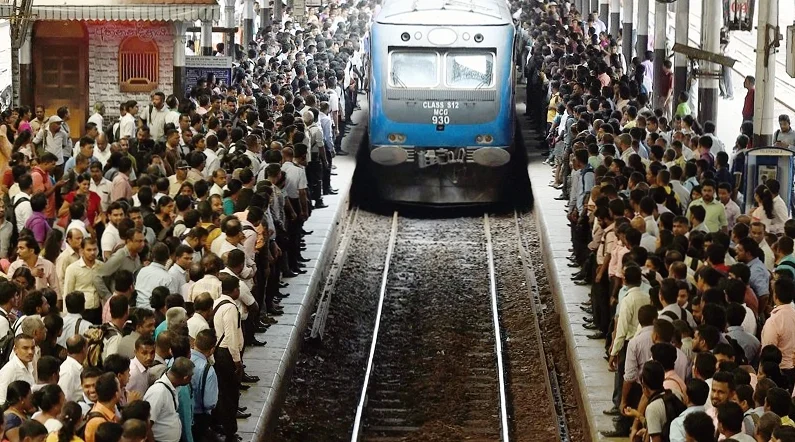
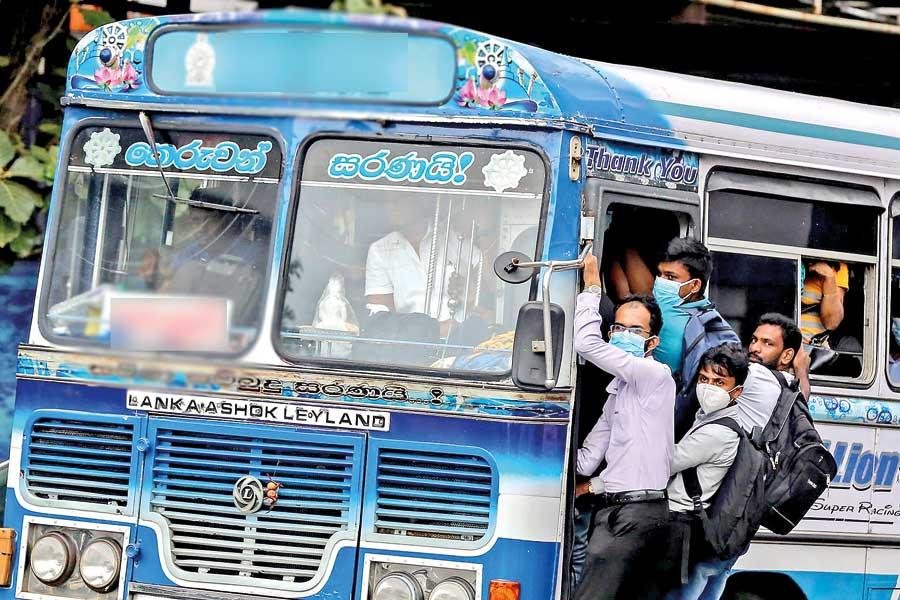
Gender-based violence in public transport isn’t new to Sri Lanka, it’s a persistent shadow that accompanies countless women and girls on their daily commutes. From unwanted touching and verbal harassment to more severe assaults, public transport has long been identified as a high-risk environment where perpetrators exploit crowded conditions and the anonymity they provide.
The prevalence of harassment in buses, trains, and school vans creates a climate of fear that restricts women’s mobility and participation in public life. Many women alter their travel routes, avoid peak hours, or dress in specific ways hoping to minimize attention behavioral modifications that shouldn’t be necessary in a functional society. Students, particularly young girls in school vans, face harassment during vulnerable morning and evening commutes when reporting mechanisms are minimal and adult supervision often inadequate.
Minister Ratnayake’s statement that “no one is prepared to defend victims of gender-based violence because of the cruelty in society” acknowledges a painful truth: bystander intervention remains rare in Sri Lankan public spaces. Cultural norms around confrontation, victim-blaming attitudes, and the fear of involvement in legal proceedings create environments where harassment flourishes unchecked.
CCTV Cameras as Deterrent: The Evidence and Expectations
The logic behind mandatory CCTV installation centers on deterrence and accountability. When potential perpetrators know they’re being recorded, the theory suggests, they’ll think twice before engaging in harassment. When incidents do occur, footage provides concrete evidence that can support victims in legal proceedings and identify offenders who might otherwise disappear into crowds.
International experience with surveillance in public transport offers mixed but generally positive results. Transport systems in cities like London, Tokyo, and Singapore have demonstrated that comprehensive CCTV coverage can reduce certain types of crime and provide valuable investigation tools. However, effectiveness depends heavily on implementation quality, monitoring protocols, and integration with response systems.
For CCTV to genuinely protect passengers in Sri Lankan public transport, several elements must align. Cameras need strategic placement covering all vulnerable areas not just forward-facing positions that miss interior spaces where most harassment occurs. Recording quality must be sufficient for identification purposes, functioning adequately in various lighting conditions. Most critically, footage must be actively monitored or rapidly accessible when incidents are reported, with clear protocols connecting surveillance to enforcement.
The psychological impact of visible cameras shouldn’t be underestimated. For potential victims, knowing that harassment will be recorded can provide some reassurance and empowerment to report incidents. For perpetrators, even poorly monitored cameras create uncertainty about whether they’ll face consequences, uncertainty that can modify behavior.
School Vans: Where Surveillance Meets Duty of Care
The inclusion of school vans in this CCTV mandate deserves particular attention. Children traveling to and from school represent one of the most vulnerable populations, often unable to effectively advocate for themselves or recognize inappropriate behavior. Parents entrust van operators and drivers with their children’s safety, yet reports of harassment and abuse in these vehicles have periodically surfaced with disturbing frequency.
CCTV in school vans serves dual purposes: protecting children from both external threats and potential abuse by those in positions of authority over them. Driver misconduct, inappropriate behavior by conductors, or harassment by older students can all be documented and addressed. The presence of cameras also provides parents with peace of mind, a tangible measure that someone is watching over their children’s journey.
However, implementation in school transport requires additional safeguards. Who has access to footage of children? How long is it retained? What prevents misuse of recordings? These questions demand clear regulatory frameworks that balance child protection with privacy rights. Van operators, many of whom run small businesses, will need support financial and technical to implement systems that actually work rather than installing dummy cameras for compliance theater.
The Technology Question: Implementation Challenges in Sri Lanka
Announcing mandatory CCTV is the easy part; effective implementation faces substantial obstacles in the Sri Lankan context. The public transport sector includes everything from modern air-conditioned buses operated by large companies to aging private buses held together by their drivers’ determination. School vans range from relatively new vehicles to decades-old vans that barely pass safety inspections.
Cost represents the first hurdle. Quality CCTV systems with adequate storage, night vision capability, and reliable power sources aren’t cheap. Who bears this expense? Transport operators working on thin margins may resist or cut corners, installing substandard systems that fail when needed. Without subsidies or financing mechanisms, compliance becomes economically prohibitive for smaller operators, potentially forcing them out of business or into non-compliance.
Technical infrastructure presents another challenge. Many public transport vehicles lack the electrical systems to support cameras and recording equipment without modifications. Power supply inconsistencies, vibration from poor road conditions, and Sri Lanka’s tropical climate with high humidity and heat all threaten equipment longevity. Recording storage whether local hard drives or cloud-based systems requires reliable solutions that many operators lack expertise to maintain.
Then comes the question of footage management. Who reviews recordings when incidents are reported? How quickly can relevant footage be retrieved? What prevents tampering or “accidental” deletion when operators themselves might face accountability? Without centralized monitoring or standardized protocols managed by an independent body, the system’s effectiveness depends entirely on operator cooperation precisely the people who might have incentive to hide evidence.
Privacy Concerns: Surveillance State or Safety Measure?
While gender-based violence prevention justifies surveillance in public spaces, the broader implications deserve scrutiny. CCTV in public transport creates extensive databases of citizen movements and behaviors. Who controls this data? What prevents its use for purposes beyond safety political monitoring, commercial exploitation, or simple voyeurism?
Sri Lanka lacks comprehensive data protection legislation equivalent to frameworks like Europe’s GDPR. This regulatory vacuum means footage of your daily commute could theoretically be accessed, shared, or misused with minimal recourse. Transport operators become custodians of sensitive information without necessarily having the infrastructure, training, or oversight to handle it responsibly.
There’s also the class dimension to consider. Public transport users in Sri Lanka are predominantly from middle and working-class backgrounds who cannot afford private vehicles. Mandatory surveillance thus creates different privacy expectations based on economic status those who can afford cars travel unmonitored while those dependent on public transport live under constant observation. This two-tier system raises questions about equity and dignity.
Balancing privacy and safety requires clear legal frameworks specifying: retention periods for footage, access protocols limiting who can view recordings and under what circumstances, prohibition on unauthorized sharing or commercial use, and penalties for misuse. Without these safeguards, CCTV installation could create new vulnerabilities while addressing existing ones.
The Cultural Elephant in the Room
Minister Ratnayake’s comment about society’s cruelty and unwillingness to defend victims points to the real issue: cameras don’t change cultures. They document behavior but don’t address the attitudes, beliefs, and power dynamics that enable gender-based violence. Focusing solely on surveillance risks treating symptoms while ignoring the disease.
Effective intervention against harassment requires cultural transformation that cameras alone cannot deliver. This includes comprehensive education about consent, respect, and healthy relationships starting in schools. Public awareness campaigns challenging victim-blaming narratives and promoting bystander intervention. Training for transport workers on recognizing and responding to harassment. Legal reforms ensuring swift, survivor-centered justice processes that encourage reporting rather than re-traumatizing victims.
The symbolic gesture of women MPs wearing orange to mark the day against gender-based violence, mentioned by the Minister, highlights the awareness-action gap. Symbols matter, but sustained commitment to changing the conditions that enable violence matters more. CCTV should be one tool within a comprehensive strategy, not a technological substitute for harder work of social change.
What Effective Implementation Actually Requires
For this CCTV initiative to meaningfully improve safety rather than becoming another underenforced regulation, several elements are non-negotiable. The government must establish clear technical standards specifying camera quality, coverage areas, storage requirements, and maintenance protocols. Subsidies or low-interest financing should support smaller operators who cannot absorb costs independently, preventing the measure from becoming a barrier to business.
An independent oversight body should manage footage access during investigations, preventing conflicts of interest when operators or drivers face accusations. This body needs resources for rapid response when incidents are reported cameras are useless if victims cannot access footage or wait months for reviews. Regular audits should verify that systems function properly and haven’t been disabled or tampered with.
Critically, implementation must accompany training programs for transport workers, education campaigns for passengers about reporting mechanisms, and streamlined processes connecting CCTV evidence to legal proceedings. Victims need assurance that recorded evidence will actually lead to accountability, not bureaucratic dead ends.
The Bigger Picture: Public Safety as Collective Responsibility
The push for CCTV in public transport reflects a broader question facing Sri Lankan society: how do we create genuinely safe public spaces for everyone, regardless of gender? Technology offers partial solutions but cannot replace the collective responsibility to intervene when we witness harassment, to raise boys who respect boundaries, to build institutions that protect rather than blame victims.
Gender-based violence persists not because of insufficient surveillance but because of insufficient consequences and cultural permission structures that minimize its seriousness. Until society treats harassment as the violation it is not as boys being boys, not as something women should expect or tolerate, not as a private matter cameras will simply document behavior that continues regardless.
The CCTV mandate represents a step forward, acknowledging that public transport safety requires active measures beyond advice for women to be more careful. Its success will depend not on cameras themselves but on the systems, culture, and commitment behind them. Sri Lankans deserve public spaces where safety comes from shared values and accountability, not just from being constantly watched.
Minister Ratnayake’s metaphor about switching the red light on gender-based violence captures the urgency. But changing behavior requires more than traffic signals it requires redesigning the entire road.
Follow Ceylon Public Affairs for grounded analysis on transport, technology, and public service reform in Sri Lanka.