
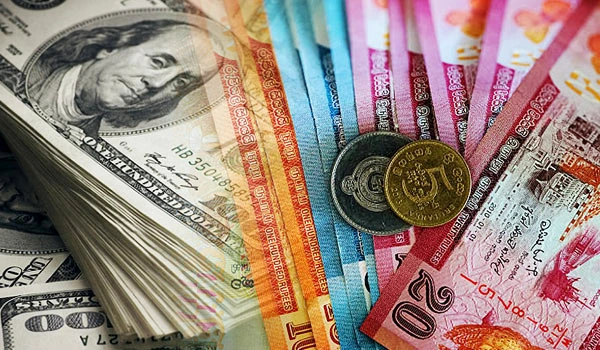
Why is the Sri Lankan rupee under pressure in 2026? The Sri Lankan rupee has come under renewed pressure in 2026, weakening by around 4.8% year-to-date by mid-May, according to remarks attributed to CBSL Governor Dr. Nandalal Weerasinghe. However, the Governor has stressed that the current situation is not a repeat of the 2022 currency crisis. Unlike 2022, when the rupee collapse was driven by domestic weaknesses such as depleted reserves, fiscal pressure, money printing and a loss of market confidence, the current pressure is mainly linked to external shocks.
Primary Cause – Global Oil Prices and the Middle East Crisis
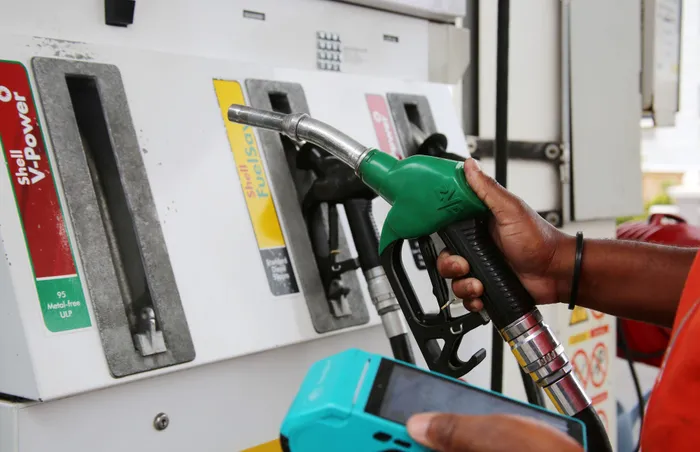
The Governor identified the escalation of conflict in the Middle East as the dominant driver. Heightened geopolitical tensions have pushed global oil prices significantly higher, sharply increasing Sri Lanka’s fuel import bill. According to CBSL statements, the Ceylon Petroleum Corporation (CPC)’s oil import bill reached around US$1 billion in the first four months of 2026, amounting to roughly two-thirds of its total oil import spending for the whole of 2025.
This surge in dollar demand for essential fuel imports has created a clear imbalance in the foreign exchange market. Although worker remittances and tourism earnings continue to support foreign exchange inflows, they have not been enough to fully offset the pressure created by the sharp rise in fuel import costs. The flexible exchange rate regime has allowed the rupee to adjust gradually in response to these market forces.
Also in Explained | Understanding the Impact of Inflation on Low-Income Families
Clear Distinction from the 2022 Crisis
Governor Weerasinghe has repeatedly emphasised that the current situation is fundamentally different from the 2022 currency collapse. In 2022, the rupee’s sharp decline was driven by severe domestic vulnerabilities, depleted foreign reserves, large fiscal deficits, excessive money printing, and a complete loss of market confidence. The crisis was largely self-inflicted and unique to Sri Lanka.
In 2026, the depreciation is occurring against a much stronger macroeconomic backdrop:
- Official reserves were around USD 7 billion earlier in 2026, although they reportedly fell below USD 7 billion by end-April.
- The economy has achieved greater stability following the IMF-supported programme.
- The pressure is largely external and shared with other fuel-importing nations.
Regional Comparison: Not an Isolated Phenomenon
The rupee’s movement mirrors trends across other fuel-importing Asian economies. In 2026 so far:
- The Indian Rupee has depreciated by around 6.4%.
- The Nepalese Rupee by 6.2%.
- The Indonesian Rupiah by 5.2%.
This regional pattern underscores that the pressure stems from a common external shock, the strengthening of the US Dollar amid global uncertainty and the surge in oil prices due to Middle East disruptions. Sri Lanka is experiencing similar dynamics to its peers, not a unique domestic breakdown.
Depreciation Does Not Mean Economic Collapse
A key message from the Governor is that rupee depreciation itself does not automatically signal economic collapse. In the current flexible exchange rate framework, the currency acts as a natural shock absorber. From an economic perspective, a weaker currency can raise import costs, but it can also improve export competitiveness and increase the rupee value of tourism earnings.
Sri Lanka’s improved reserves, better policy credibility, and ongoing structural reforms provide a more resilient foundation than in 2022. The CBSL continues to intervene only to smooth excessive volatility while allowing market forces to play the primary role.
Implications and Policy Considerations
The depreciation adds upward pressure on imported inflation, particularly through fuel, transport, and electricity costs. Inflation remained low until March 2026, with CCPI headline inflation at 2.2%, but it accelerated to 5.4% in April following Middle East war spillovers and domestic energy price adjustments.
Looking ahead, sustained high oil prices or prolonged Middle East instability could continue testing the external sector. For the longer term, Sri Lanka’s vulnerability to oil price shocks shows the need to reduce energy import dependence through renewable energy, energy efficiency and stronger external-sector planning.
Conclusion on Why Is the Sri Lankan Rupee Under Pressure
The rupee pressure in 2026 is being presented by CBSL as an external shock caused mainly by higher global oil prices and Middle East instability, not as a repeat of Sri Lanka’s 2022 domestic crisis. While the depreciation can raise living costs through fuel and import prices, Sri Lanka is in a stronger position than it was in 2022, supported by improved reserves, IMF-backed reforms and a more flexible exchange rate framework.
Also in Explained | Sri Lanka’s Official Reserves Dip Below US$7 Billion in April 2026