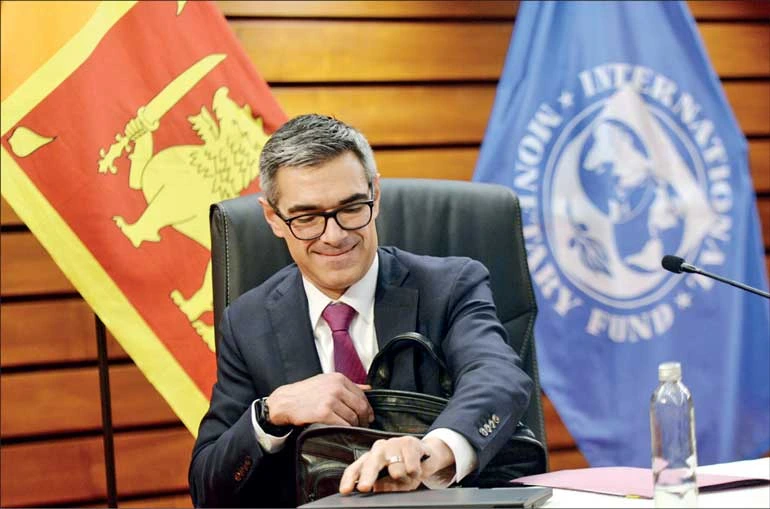

The Sri Lankan rupee has emerged as Asia’s worst-performing currency this month, with its slide intensifying due to speculation of further weakening, according to Sri Lanka’s Deputy Minister of Finance Anil Jayantha Fernando. In an interview with Bloomberg, the minister highlighted that importers are aggressively buying dollars while exporters are delaying the conversion of their foreign-currency earnings, adding to pressure on the local currency.
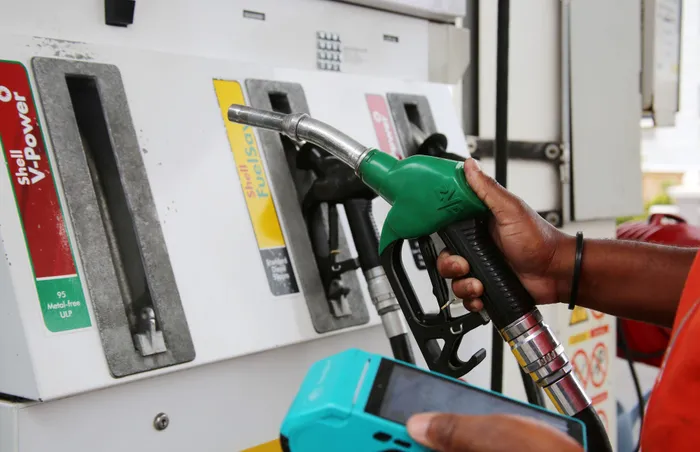
Fernando told parliament in Colombo that the country has also experienced outflows from government securities and the stock market, contributing to the rupee’s weakness. This development comes amid broader global uncertainties, including elevated oil prices and geopolitical tensions, which have increased dollar demand for essential imports.
Also in Explained | Why Is the Sri Lankan Rupee Under Pressure in 2026? CBSL Governor Explains
Understanding the Current Pressure on the Sri Lankan Rupee
According to Bloomberg’s reporting (20 May 2026), the rupee’s recent performance stands out negatively in the region. The minister’s comments reflect growing market nervousness, where expectations of further depreciation are becoming self-reinforcing. Importers stocking up on dollars and exporters holding back foreign earnings create a classic feedback loop that amplifies currency pressure.
This situation is unfolding even as Sri Lanka has made notable progress in macroeconomic stabilisation since the 2022 crisis. Foreign reserves have been rebuilt, debt restructuring has been largely completed, and inflation has been brought under control. Yet the rupee continues to face headwinds, primarily from external factors and market sentiment.
Key Factors Driving the Weakness
Bloomberg notes that the current depreciation is influenced by several interconnected elements:
- Speculative Behaviour: Expectations of further weakening are prompting market participants to act defensively, increasing dollar demand.
- Import and Export Dynamics: Higher fuel and other import costs are driving immediate dollar purchases, while exporters delay repatriation in hopes of better rates later.
- Portfolio Outflows: Reduced appetite for Sri Lankan government securities and equities by foreign investors adds to the pressure on the balance of payments.
The minister’s frank admission underscores the challenge of managing market psychology even when underlying fundamentals have improved compared to previous years.
How This Differs from the 2022 Crisis
While the rupee’s movement has drawn attention, the current episode is distinct from the catastrophic collapse seen in 2022. Back then, the crisis was driven by severe domestic imbalances; critically low reserves, unsustainable debt, and policy missteps. In contrast, the 2026 pressure is more externally driven and occurs against a backdrop of stronger reserves and a more disciplined policy framework.
The CBSL has allowed greater exchange rate flexibility, using it as a shock absorber rather than defending an unsustainable peg. This approach, while leading to short-term volatility, helps prevent the kind of sudden, disorderly adjustments witnessed four years ago.
Implications for the Economy and Citizens
Rupee depreciation raises the cost of imported goods, particularly fuel, which feeds into transport, electricity, and food prices. For ordinary Sri Lankans, this translates into renewed cost-of-living pressures at a time when many households are still recovering from previous shocks.
On the positive side, a weaker rupee can support export competitiveness and tourism earnings when converted to local currency. The key challenge for authorities is to manage volatility without undermining the hard-won gains in stability and investor confidence.
The Road Ahead
According to the Bloomberg report, Sri Lankan authorities are closely monitoring the situation. Maintaining fiscal discipline, continuing structural reforms, and ensuring clear communication with markets will be essential to prevent speculative pressures from spiralling.
The episode also highlights the importance of building stronger buffers, such as diversifying energy sources, increasing export earnings, and deepening the domestic financial market to reduce vulnerability to external shocks and speculative flows.
Conclusion
The Sri Lankan rupee’s weakness in May 2026, as reported by Bloomberg, is largely driven by speculative positioning and shifting import-export behaviours amid global uncertainties. Deputy Minister Anil Jayantha Fernando’s candid assessment to parliament underscores both the challenges and the improved resilience of the economy compared to previous years.
While short-term pressures on the currency are real, Sri Lanka’s strengthened fundamentals provide a better foundation to navigate this period. Careful policy management, continued engagement with multilateral partners, and measures to boost export earnings and energy security will be critical in restoring stability and sustaining the recovery momentum.
The coming weeks will test the authorities’ ability to manage market sentiment while protecting the gains achieved since the 2022 crisis. A measured, transparent approach will be key to ensuring that temporary rupee weakness does not derail the broader economic stabilisation story.
Also in Explained | Understanding the Impact of Inflation on Low-Income Families