
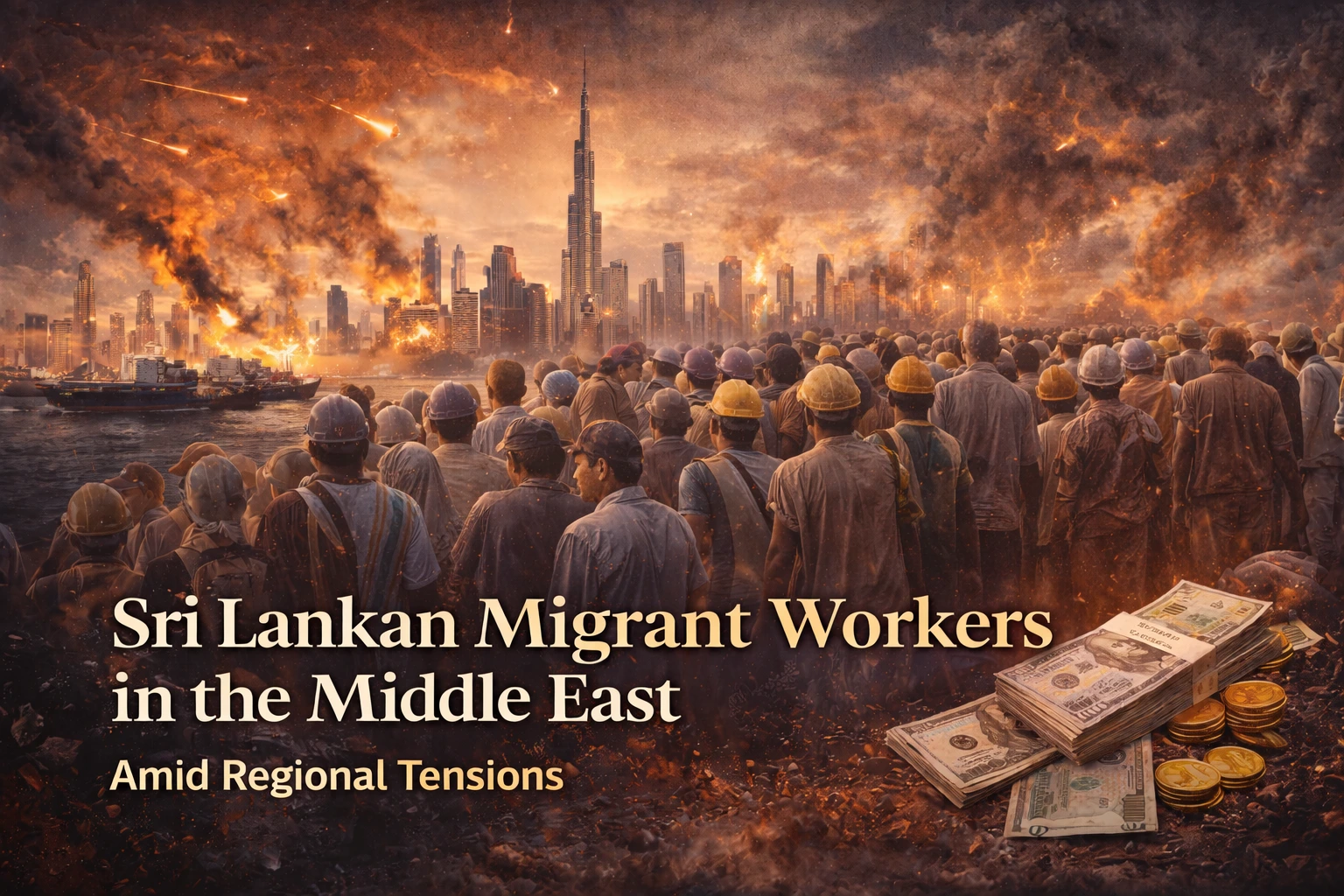
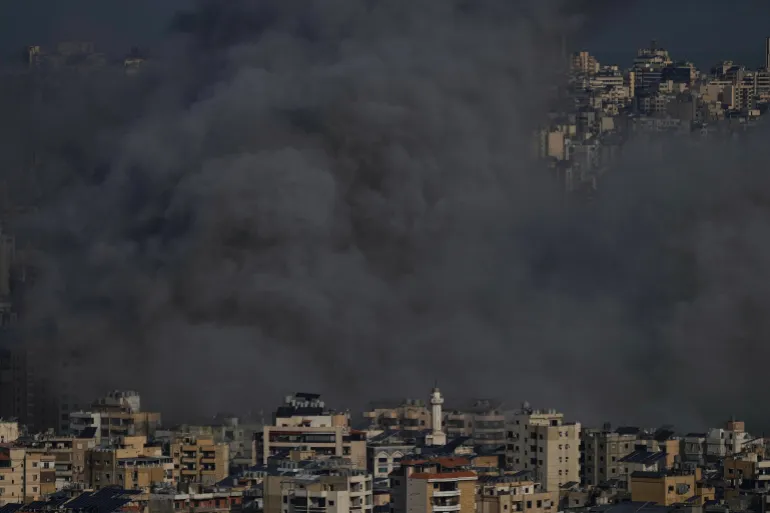
As escalating conflict grips the Middle East in early March 2026, the lives of over one million Sri Lankan expatriate workers have come under renewed scrutiny. The recent intensification of hostilities triggered by US and Israeli strikes on Iran and subsequent Iranian retaliatory actions across the region has created an atmosphere of uncertainty for the large Sri Lankan community employed primarily in the Gulf Cooperation Council (GCC) countries.
With nearly 1,007,855 Sri Lankans residing in 14 Middle Eastern nations as of 28 February 2026, according to official government data, the stakes are high. The largest communities are in the United Arab Emirates (350,000), Saudi Arabia (246,139), Kuwait (175,000), and Qatar (140,000). These workers, many in construction, domestic service, hospitality, and healthcare, form a vital pillar of Sri Lanka’s economy through remittances and labour migration.
Also in Explained | Oil Prices Surge After Gulf Conflicts and Strait of Hormuz Tensions: Impact on Sri Lanka’s Fuel Costs in March 2026
Daily Realities for Workers on the Ground
For most Sri Lankan migrants, daily life continues under heightened caution rather than immediate crisis. The Sri Lankan Ministry of Foreign Affairs and the Sri Lanka Bureau of Foreign Employment (SLBFE) have confirmed that, as of 3 March 2026, no major casualties or large-scale evacuations involving Sri Lankans have been reported. Diplomatic missions across the region remain operational and in close coordination with host governments.
However, the situation has introduced practical disruptions. Airspace closures and temporary flight suspensions have affected travel plans, stranding some workers or delaying family visits. In urban centres such as Dubai, Riyadh, and Doha, routine commutes and work schedules have been impacted by security advisories and occasional disruptions to public transport and commercial activity. Construction sites and service sectors, where many Sri Lankans are employed, have seen temporary slowdowns in some projects due to heightened security protocols and supply-chain uncertainties.
Workers report increased anxiety, with many families back home expressing concern over potential job losses or safety risks if the conflict widens. Domestic workers and those in lower-skilled roles, who often live in employer-provided accommodation, face particular vulnerability if economic activity in host countries contracts. Historical precedents from previous regional tensions show that migrant workers can sometimes be among the first to face contract terminations or delayed wage payments during downturns.
The SLBFE has activated a dedicated 24-hour operations centre (hotline 1989) to provide real-time information and assistance. Sri Lankan embassies have issued emergency contact numbers and are on standby for any required support, including possible repatriation arrangements if the situation deteriorates.
The Economic Lifeline at Risk: Remittances and Foreign Exchange
Sri Lanka’s reliance on Middle Eastern labour migration is substantial. In 2025, worker remittances reached a record USD 8.076 billion a 22.8% increase from 2024 with the Middle East accounting for the largest share. Countries like Kuwait, the UAE, and Saudi Arabia consistently top the list of remittance sources.
A prolonged conflict or broader economic slowdown in the Gulf could disrupt this flow in several ways:
- Job security and new deployments: Hiring freezes or project delays in construction and services could reduce demand for new Sri Lankan workers. Sri Lanka had targeted sending 310,000 workers abroad in 2026, with Kuwait, the UAE, and Qatar leading demand. Any contraction would directly affect this pipeline.
- Existing remittances: Even short-term disruptions to banking or worker confidence could slow inflows. Remittances have been a critical buffer for Sri Lanka’s balance of payments and household incomes, supporting consumption and foreign reserves during the post-2022 recovery.
- Broader economic spillovers: Rising global oil prices already climbing due to tensions around the Strait of Hormuz would increase Sri Lanka’s fuel import bill, putting pressure on inflation and the rupee. Aviation and shipping disruptions could also affect tourism and trade.
President Anura Kumara Dissanayake warned on 3 March 2026 that a prolonged conflict could impact energy supplies, remittances, tourism, and maritime/aviation sectors. Economists have echoed concerns about potential balance-of-payments pressures if the situation extends beyond a few weeks.
Sri Lanka’s Preparedness and the Road Ahead
The government has moved swiftly to mitigate risks. Special operations centres have been established, tourist visas extended where needed, and integrated mechanisms activated between diplomatic missions and the SLBFE. The focus remains on ensuring the safety and welfare of workers while closely monitoring developments.
For Sri Lanka, the human dimension is as important as the economic one. Migrant workers and their families back home represent hundreds of thousands of households that depend on Gulf earnings for education, healthcare, and daily needs. Any large-scale return of workers would add pressure to the domestic job market and social services at a time when the country is still consolidating its economic recovery.
The current tensions serve as a reminder of Sri Lanka’s structural vulnerabilities: heavy dependence on a single region for both energy imports and foreign exchange earnings from labour. Diversifying labour destinations, upskilling workers for higher-value roles, and strengthening domestic job creation remain long-term priorities.
As the situation in the Middle East evolves hour by hour, Sri Lankan workers in the Gulf continue their contributions under difficult circumstances. Their resilience, and the government’s proactive measures, will determine how effectively the island nation weathers this latest external shock.
The coming weeks will test both the adaptability of Sri Lanka’s migrant workforce and the robustness of the country’s economic safeguards. In the interconnected world of 2026, distant conflicts have a way of arriving much closer to home than expected.
Also in Explained | Is Sri Lanka’s Economic Growth Gaining Sustainable Momentum?