
Sri Lanka dengue surge is currently a significant issue in 2026. As of mid-June 2026, the National Dengue Control Unit (NDCU) of the Ministry of Health has reported over 47,000 dengue cases and 29 related deaths nationwide. This marks a sharp increase compared to the same period in previous years, with cases nearly doubling in recent weeks due to heavy southwest monsoon rains and flooding.
This public health awareness analysis examines the latest situation, high-risk areas, symptoms to watch for, and practical prevention measures every citizen can take. Protecting families and communities starts with simple but consistent actions at home and in neighbourhoods.
Current Dengue Situation – June 2026
According to official data from the National Dengue Control Unit:
- More than 47,000 dengue cases have been recorded from January to mid-June 2026.
- 29 dengue-related deaths reported so far this year.
- Weekly cases nearly doubled from April (around 5,651) to the first two weeks of June (over 10,638).
- The Western Province accounts for nearly 50% of all cases, with Colombo, Gampaha, and Kalutara districts reporting the highest numbers.
Other affected areas include Matara, Kandy, Ratnapura, Galle, and several districts in the Southern, Central, and North Western provinces. Hospital admissions have risen sharply, putting pressure on major facilities including the National Hospital in Colombo, Kalubowila, and Kandy Teaching Hospital.
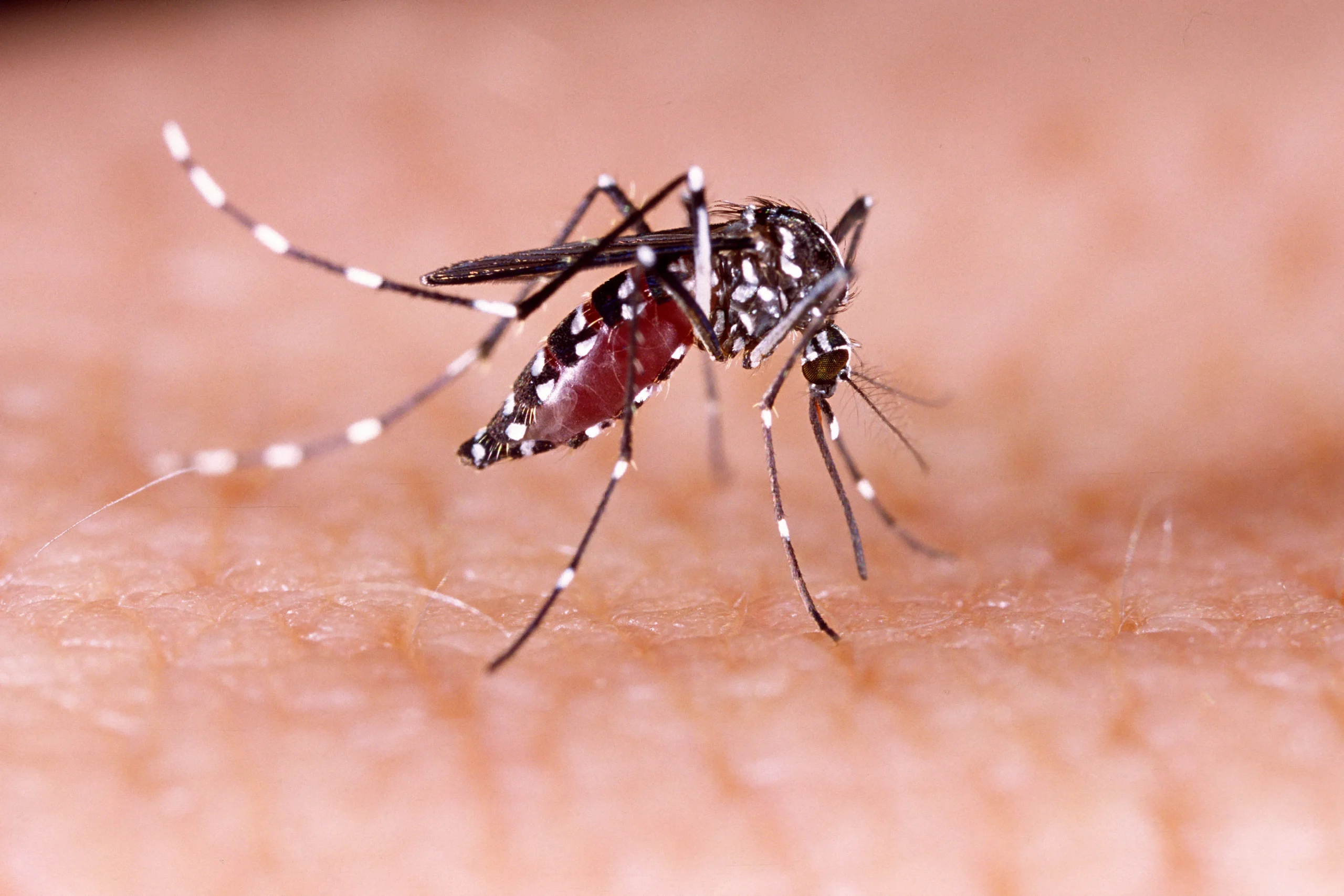
The surge is driven by monsoon rains creating ideal breeding conditions for Aedes mosquitoes. Environmental factors such as improper waste disposal, stagnant water in construction sites, schools, and public places have accelerated transmission.
Also in Explained | Sri Lanka’s Plastic Bag Levy: A Promising Start to Curbing Single-Use Waste
Symptoms of Dengue – Act Quickly
Dengue can range from mild to severe. Common early symptoms include:
- High fever (often 39-40°C)
- Severe headache and pain behind the eyes
- Muscle and joint pain (“break-bone fever”)
- Nausea, vomiting, and loss of appetite
- Swollen glands
- Rash
Warning signs of severe dengue (which can appear 3–7 days after fever starts) include severe abdominal pain, persistent vomiting, bleeding from gums or nose, fatigue, and difficulty breathing. Seek immediate medical care at the nearest government hospital if these develop, early treatment saves lives.
Government and National Response Measures
The Ministry of Health and National Dengue Control Unit have activated several key measures:
- Nationwide mosquito control campaigns covering multiple districts and Medical Officer of Health (MOH) divisions.
- Intensive source reduction drives, fogging in high-risk areas, and environmental clean-up programmes.
- Strict enforcement: Public Health Inspectors issue “red notices” and legal action against premises (homes, schools, construction sites, religious places) allowing mosquito breeding.
- Public awareness through community mobilisation and school programmes.
- Enhanced hospital preparedness to manage increased patient loads.
These efforts build on Sri Lanka’s long-standing dengue control framework and aim to reduce breeding sites rapidly.
Practical Prevention Steps – What You Can Do Today
Dengue prevention is primarily in our hands. The Aedes mosquito breeds in clean stagnant water and bites during daytime. Here are simple, effective actions:
- Eliminate breeding sites: Empty and clean water containers, flower vases, tyres, and gutters every 3–4 days. Cover water storage tanks properly.
- Keep surroundings clean: Dispose of waste correctly and clear overgrown areas around homes.
- Protect yourself: Use mosquito repellents (DEET-based), wear long-sleeved clothing, and install screens on windows.
- Community action: Participate in neighbourhood clean-up drives and report potential breeding sites to your local Public Health Inspector or MOH office.
- Schools and workplaces: Ensure no stagnant water collects in premises, this is a major contributor to local outbreaks.
Reader Action Point: This weekend, spend 15 minutes checking your home and compound for mosquito breeding sites. Small consistent actions by millions of citizens can dramatically reduce cases.
Policy Outlook and Collective Responsibility
The current dengue surge highlights the ongoing challenge of vector-borne diseases in a tropical climate with increasing urbanisation and changing rainfall patterns. The government’s rapid response through nationwide campaigns shows strong commitment, but long-term success depends on sustained public cooperation and improved waste management infrastructure.
Hospitals are under strain, yet Sri Lanka’s health workers continue to provide dedicated care. By working together government, communities, schools, and individuals; we can flatten the curve and protect vulnerable groups, especially children and the elderly.
Stay Safe and Informed – Sri Lanka Dengue Surge in 2026
Monitor official updates from the National Dengue Control Unit and Ministry of Health. Seek medical advice promptly if symptoms appear. Remember: Dengue has no specific treatment, but prevention works.
Let us all contribute to a dengue-safer Sri Lanka through clean environments and responsible behaviour.
This analysis is for educational and public health awareness purposes only and is not intended as medical advice. Always consult a qualified doctor or nearest government hospital for health concerns.
Also in Explained | Sri Lanka Enteroviral Meningitis 2026: Ministry Guidelines Explained