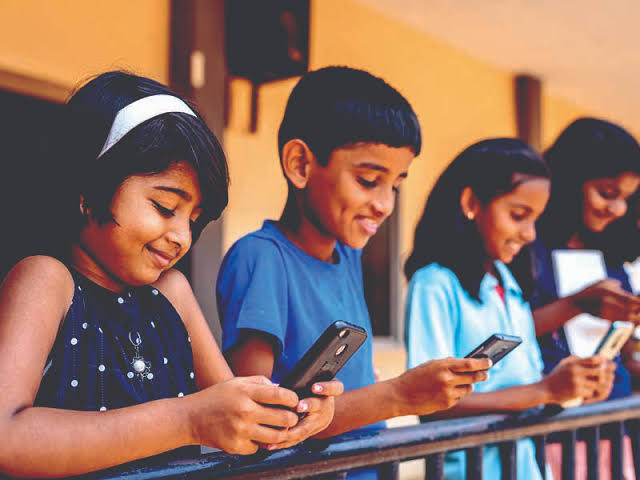

Sri Lanka School Junk Food Ban 2026 – Sri Lanka has taken a decisive step to improve child health by enforcing a nationwide ban on junk food and unhealthy snacks in schools. Starting in late June 2026 (enforcement reported from around June 23), the Education Ministry, in coordination with the Health Ministry, has prohibited the sale and distribution of foods high in sugar, salt, and unhealthy fats across all institutions in the National Education System. This affects approximately four million students.
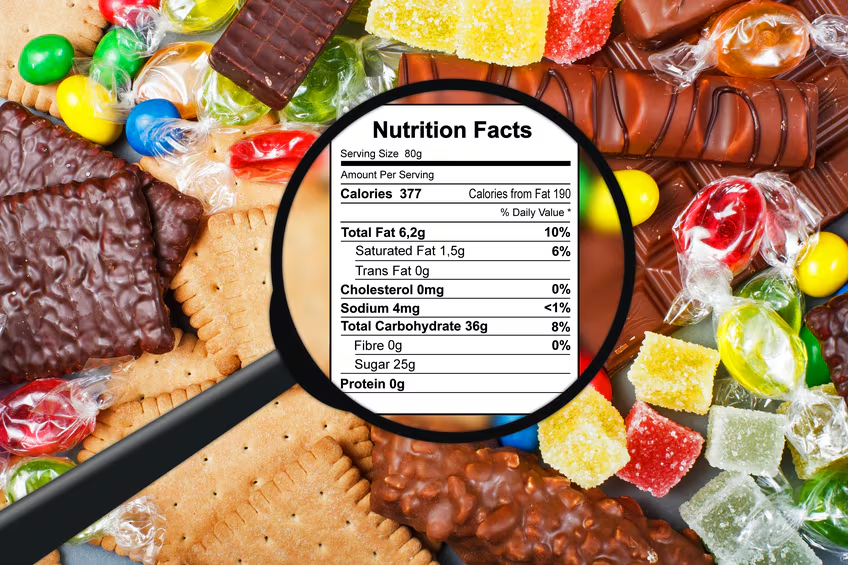
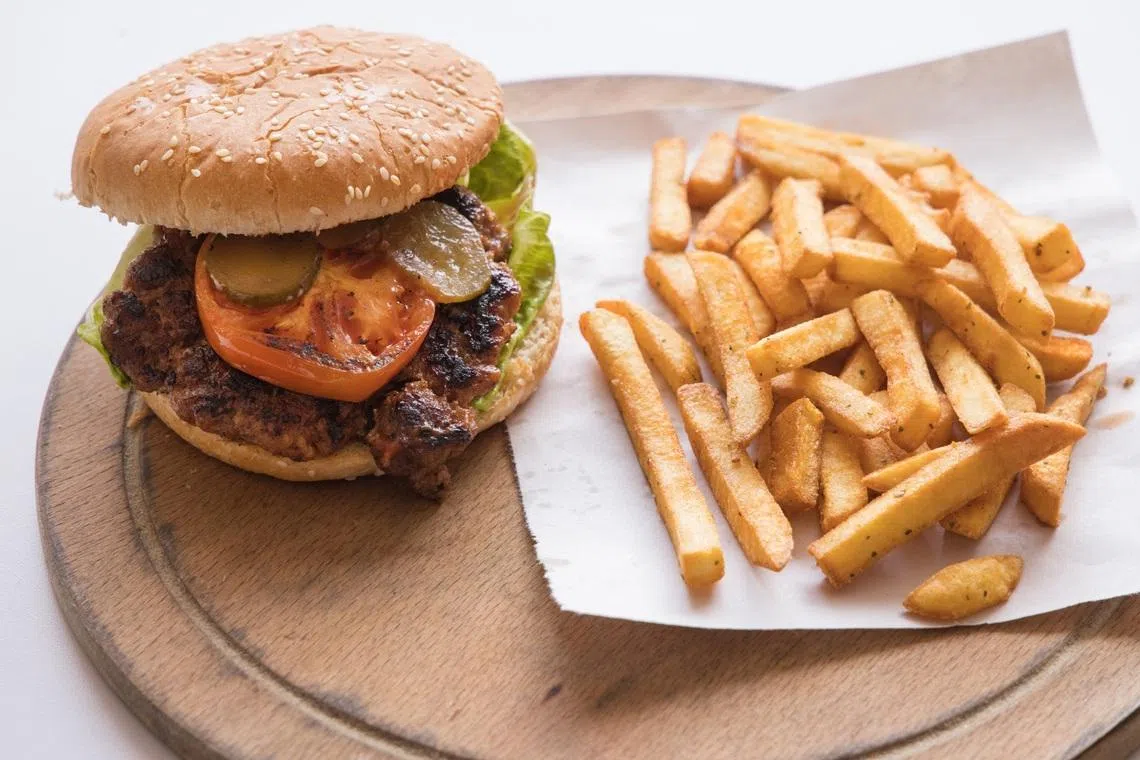
The policy targets canteens and school events, banning items such as burgers, hot dogs, pizzas, doughnuts, ice cream, biscuits, pastries, deep-fried snacks, flavoured milk, energy drinks, carbonated beverages, and even condiments like tomato sauce. Schools are instead encouraged to offer healthier options based on rice, vegetables, fruits, fish, eggs, and milk.
This move comes amid growing concerns over poor dietary habits among children and marks an important public health intervention. In this analysis, we examine the background, verified reasons, and the concerning rise in childhood overweight and obesity in Sri Lanka.
Also in Explained | Sri Lanka’s Plastic Bag Levy: A Promising Start to Curbing Single-Use Waste
The Policy and Its Implementation
The ban is implemented through new guidelines and a circular from the Education Ministry. Public Health Inspectors (PHIs) are actively monitoring compliance, with restrictions also placed on marketing and sponsorship of unhealthy foods at school events. The policy aims to create a healthier food environment in schools, where children spend a significant portion of their day.
This builds on broader efforts to promote better nutrition and aligns with national goals to reduce diet-related health risks early in life.
Main Reasons for the Ban
The primary driver is the rising incidence of non-communicable diseases (NCDs) linked to unhealthy eating habits among children. Government statements highlight that poor diets are directly contributing to nutritional problems and increasing the risk of conditions such as:
- Diabetes
- Heart disease
- Other long-term health issues, including potential links to cancer later in life
Authorities note that unhealthy eating habits established in childhood often persist into adulthood, creating lifelong health burdens. By removing easy access to high-sugar, high-salt, and high-fat foods in schools, the policy seeks to encourage better choices and reduce exposure during formative years.
The ban addresses the “double burden” of malnutrition where undernutrition coexists with rising overweight and obesity by focusing on improving the quality of foods available in educational settings.
Rising Childhood Overweight and Obesity in Sri Lanka: Verified Data
Recent surveys confirm a clear upward trend in overweight and obesity among Sri Lankan school children, driven largely by unhealthy dietary patterns.
Key verified statistics include:
- According to the 2024 Global School-based Student Health Survey (GSHS) (covering students aged 13–17 years): 12.1% are overweight and 3.0% are obese.
- In urban areas, particularly Colombo metropolitan region, rates are higher with studies showing 14–15% prevalence of overweight and obesity among 8–12-year-old school children.
- Broader trends indicate childhood obesity rates have increased significantly over the past two decades, contributing to a growing public health challenge alongside persistent undernutrition in some populations.
Main drivers of unhealthy weight gain:
- High consumption of sugary drinks, processed snacks, deep-fried foods, and fast foods.
- Availability of these items in school canteens and surroundings.
- Sedentary lifestyles with reduced physical activity.
- Changing food environments influenced by marketing and convenience foods.
- Socioeconomic factors affecting dietary choices.
These habits not only lead to immediate weight issues but also increase risks of early-onset diabetes, hypertension, and cardiovascular problems. The 2024 GSHS also highlighted poor dietary habits among students, reinforcing the need for environmental changes like the school food ban.
Policy Implications and the Way Forward
The junk food ban in schools represents a proactive, evidence-based approach to prevention. By targeting the school environment where habits are formed, it has the potential to influence long-term behaviour. Similar policies in other countries have shown positive results in reducing consumption of unhealthy foods and supporting healthier weight trajectories when combined with education and physical activity promotion.
For Sri Lanka, success will depend on:
- Effective monitoring and enforcement by PHIs and school authorities.
- Availability and affordability of healthy alternatives in canteens.
- Complementary nutrition education for students, parents, and teachers.
- Broader community and family-level changes to reinforce school efforts.
This policy also supports national efforts to combat the rising burden of NCDs, which are a major public health and economic concern.
Collective Responsibility for Child Health – Sri Lanka School Junk Food Ban 2026
Protecting children’s health today safeguards the nation’s future. Parents, schools, communities, and policymakers all have roles to play. Simple steps like packing nutritious lunches, encouraging physical activity, and limiting sugary/oily treats at home can complement the school ban.
What one change can you make this week to support healthier eating for the children in your life? Share your thoughts, small actions add up to big impact.
Sri Lanka’s decision to ban unhealthy foods in schools is a positive step toward breaking the cycle of poor nutrition and preventing future health crises. With sustained commitment, it can contribute to a healthier generation.
This analysis is for educational and public health awareness purposes only and is not intended as medical advice. Always consult qualified health professionals for personal health concerns.
Also in Explained | Sri Lanka Dengue Surge 2026: Current Cases, Risks & Prevention Tips