
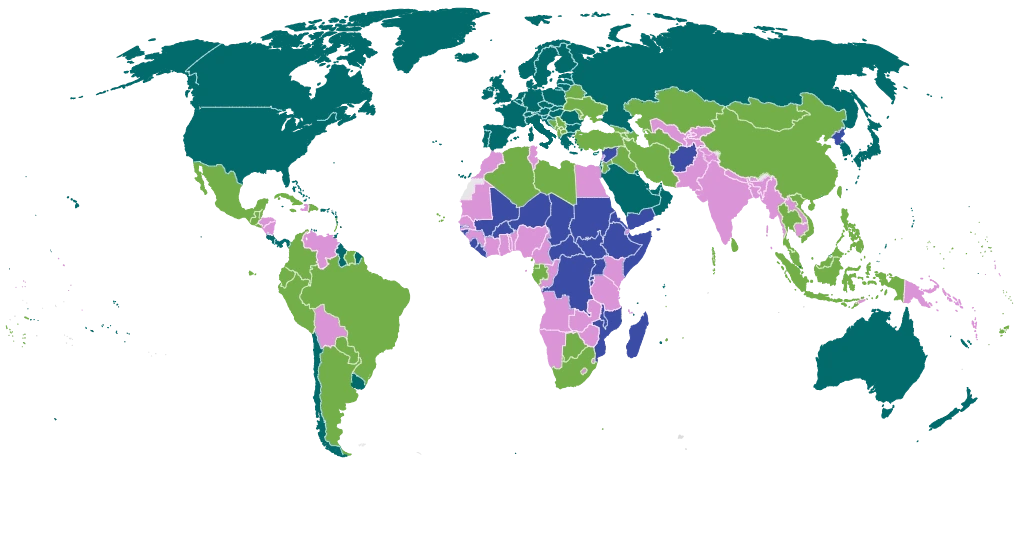
Sri Lanka upgraded to upper middle income economy by World Bank. The World Bank Group has updated its annual Country Income Classifications, reclassifying Sri Lanka from a lower-middle-income economy to an upper middle income economy. This change, announced in the latest release around July 1, 2026, places Sri Lanka alongside Jordan, Micronesia, the Philippines, and Viet Nam in moving up from the lower-middle to upper-middle income category. No countries moved down in this update, while Togo advanced from low-income to lower-middle-income status.
This reclassification represents a notable milestone for Sri Lanka, reflecting progress in its economic recovery following the severe crisis of 2022. In this public affairs analysis, we examine the basis of the upgrade, the different pathways countries have taken, what this means for Sri Lanka’s development trajectory, policy implications, and the challenges that remain.
Also in Explained | Why Does the IMF Use Conditionality?
Understanding World Bank Income Classifications
The World Bank classifies economies into four income groups: low, lower-middle, upper-middle, and high – primarily based on Gross National Income (GNI) per capita using the Atlas method. These classifications are updated annually on July 1 and serve analytical and operational purposes, including determining eligibility for concessional financing through the International Development Association (IDA) versus the International Bank for Reconstruction and Development (IBRD).
The thresholds are adjusted each year for inflation. The latest update is based on the most recent available GNI per capita data (typically the previous calendar year). While widely referenced, these classifications are not a comprehensive measure of development, human well-being, or institutional quality, they focus narrowly on average income levels.
Sri Lanka’s Upgrade: A Milestone in Recovery
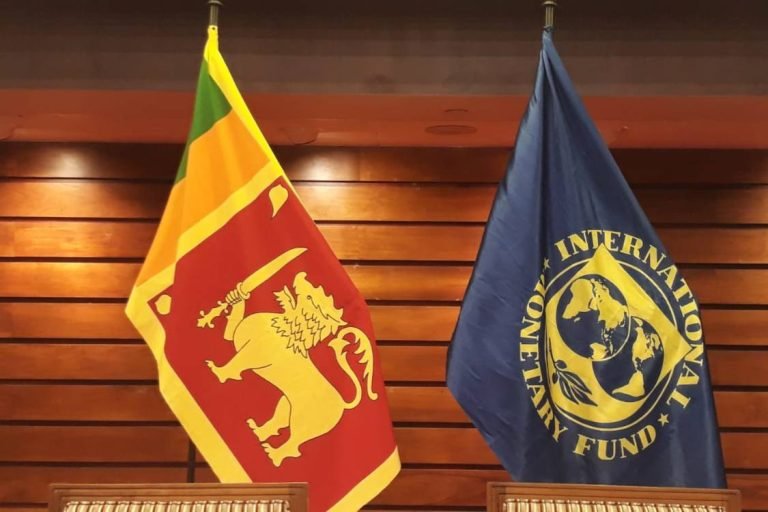
Sri Lanka’s move to upper-middle-income status is part of a broader story of post-crisis stabilisation and growth. After the economic challenges of 2022, marked by debt distress, high inflation, and shortages, the country has pursued reforms under the IMF-supported Extended Fund Facility (EFF), alongside domestic policy adjustments.
The upgrade signals that Sri Lanka’s GNI per capita has crossed the threshold into the upper-middle-income range. While the World Bank blog highlights varied reasons across countries (such as strong export growth, data revisions showing larger economies, or recovery from crises), Sri Lanka’s progress aligns with the recovery narrative following its recent economic difficulties.
This reclassification comes at a time when Sri Lanka has been working to rebuild reserves, stabilise the macroeconomy, and advance structural reforms. It serves as an external validation of the direction of travel, even as the journey continues.
Different Pathways to Higher Income Categories
The World Bank’s analysis emphasises that countries reaching higher classifications do so through distinct routes:
- Export-led growth (e.g., Viet Nam’s strong performance in recent years).
- Recovery from crisis combined with policy reforms.
- Data improvements or revisions that reveal a larger economy than previously estimated.
- Sustained macroeconomic stability and structural changes.
For Sri Lanka, the upgrade reflects a combination of recovery dynamics and policy efforts. It stands in contrast to purely export-driven stories but shares the common thread of demonstrating resilience and forward momentum.
Regionally, the upgrade of Sri Lanka alongside the Philippines and Viet Nam highlights varying but positive trajectories in parts of Asia. These shifts underscore how targeted reforms, openness to trade, and prudent macroeconomic management can drive income gains over time.
Also in Explained | How Do the IMF and the World Bank Collaborate?
Public Policy and Development Implications for Sri Lanka
1. Financing and International Support
Moving to upper-middle-income status can influence access to concessional resources. Sri Lanka may see a gradual shift in the composition of World Bank support toward IBRD financing, which carries different terms compared to IDA. This transition requires careful planning to ensure development priorities, particularly in infrastructure, human capital, and social protection continue to receive adequate support.
2. International Perception and Investor Confidence
The reclassification can enhance Sri Lanka’s image as a recovering and progressing economy. It may support efforts to attract foreign direct investment (FDI), improve credit perceptions over time, and strengthen engagement with international partners. However, perceptions are also shaped by debt sustainability, governance, and reform implementation.
3. Domestic Policy Narrative
For policymakers, this milestone offers an opportunity to highlight progress while maintaining focus on unfinished business. It reinforces the importance of sustaining fiscal discipline, advancing structural reforms (including revenue mobilisation and governance improvements), and investing in productivity-enhancing areas such as education, skills, and digital infrastructure.
4. Limitations of the Classification
It is important to note that income classifications do not capture inequality, regional disparities, environmental sustainability, or the quality of growth. Sri Lanka continues to face challenges related to debt management, job creation, and building resilience to external shocks (including climate and global economic volatility). The upgrade should be viewed as one indicator among many, not an endpoint.
Lessons and the Road Ahead: Sri Lanka Upgraded to Upper Middle Income
Sri Lanka’s experience offers several public affairs insights:
- Reforms matter: Sustained policy efforts under difficult circumstances can yield measurable results over time.
- Data quality is crucial: Improvements in national statistics and economic measurement contribute to more accurate assessments.
- Recovery is not linear: External shocks and domestic vulnerabilities require continuous vigilance and adaptive policymaking.
- Peer learning: Comparing pathways with countries like Viet Nam (strong export orientation) or the Philippines can inform Sri Lanka’s own diversification and growth strategies.
Looking forward, maintaining the momentum will require:
- Continued macroeconomic stability.
- Accelerated structural reforms to boost competitiveness and private sector dynamism.
- Inclusive policies that ensure the benefits of growth reach broader segments of the population.
- Strengthened institutions and governance to support long-term development.
Sri Lanka’s reclassification to upper-middle-income status is a positive signal of progress. It reflects the country’s resilience and the impact of reform efforts. At the same time, it underscores that development is a continuous process, one that demands sustained commitment to sound policies, institutional strengthening, and addressing remaining vulnerabilities.
As Sri Lanka navigates this new phase, the focus must remain on building a more resilient, inclusive, and sustainable economy that delivers broad-based prosperity.
This analysis is for educational and public affairs purposes only and is not intended as investment, financial, or policy advice.