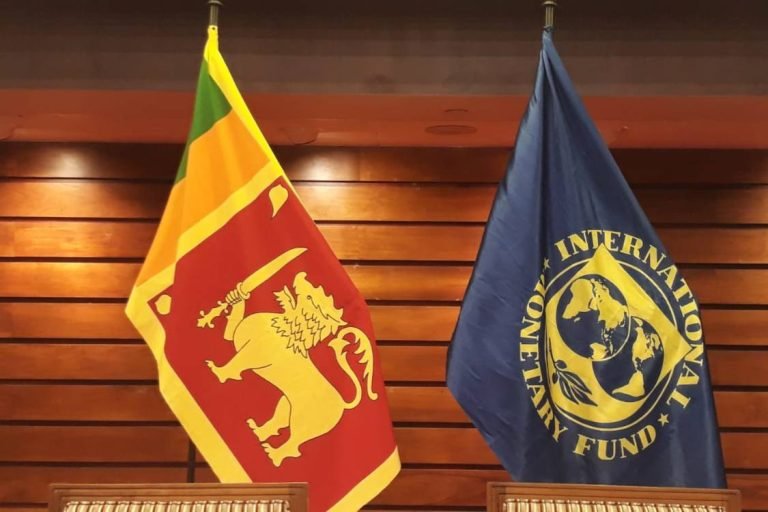

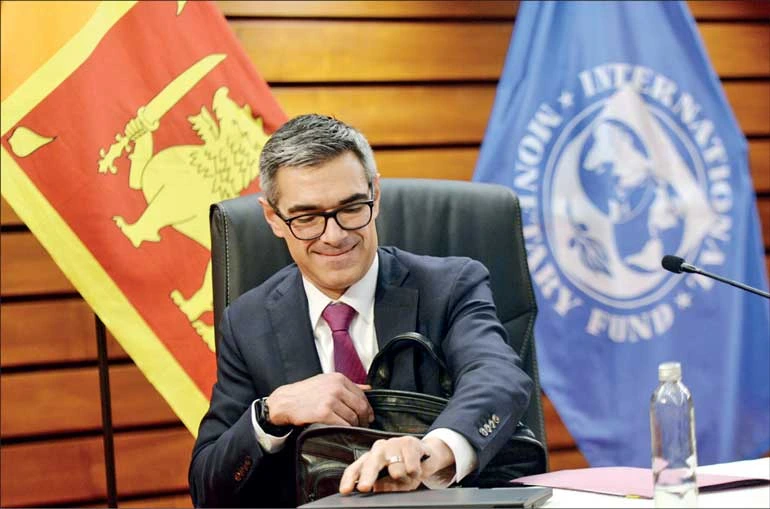
The International Monetary Fund (IMF) team, led by Mission Chief Evan Papageorgiou, concluded IMF staff visit to Sri Lanka on June 30, 2026. The team was in Colombo from June 24 to 30 to review recent macroeconomic developments and progress on the economic reform program supported by the IMF’s Extended Fund Facility (EFF) arrangement.
This regular staff visit provides an important snapshot of Sri Lanka’s economic trajectory amid external challenges. In this analysis, we examine the IMF’s key observations, the context of external shocks, authorities’ responses, and the broader implications for Sri Lanka’s ongoing recovery and reform efforts.
Also in Explained | Does the IMF Promote Cuts to Health, Education, Social Protection, or Public Investment During Economic Crises?
Background and Context of the Visit
Sri Lanka has been implementing a comprehensive economic reform program under the EFF arrangement with the IMF. Previous staff visits and reviews have noted progress in areas such as fiscal consolidation, debt restructuring, reserve rebuilding, and inflation control.
The June 2026 visit focused on taking stock of developments since earlier assessments. It comes at a time when global uncertainties, particularly developments in the Middle East, have created new headwinds for the economy.
Ceylon Public Affairs has previously analysed IMF engagements with Sri Lanka, including staff visits and review outcomes, highlighting both achievements and the challenges of maintaining reform momentum.
IMF’s Key Observations from the June 2026 Visit
In the end-of-mission statement, IMF staff noted that external pressures from the Middle East situation have affected Sri Lanka’s economy. Specific points include:
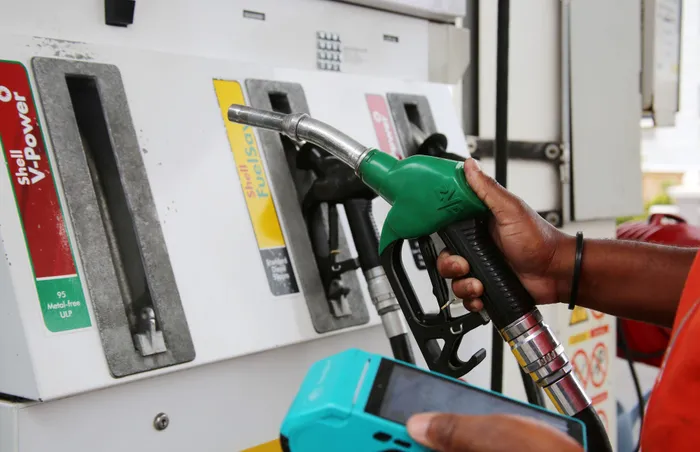
- Inflation dynamics: Headline inflation rose from 1.6 percent year-on-year in February 2026 to 5.5 percent year-on-year in May 2026, primarily driven by energy price increases.
- Tourism and external sector: Growth in tourist arrivals softened, and the pace of gross international reserves accumulation decelerated.
- Policy responses by authorities:
- The Central Bank of Sri Lanka (CBSL) raised the policy rate by 100 basis points and implemented macroprudential measures.
- The government introduced a temporary, on-budget relief package that included subsidies for fuel, electricity, and fertilizer, along with cash transfers targeted at the most vulnerable households.
- Positive notes: The recent decline in global commodity prices is providing some relief from external pressures. Authorities’ prompt actions helped preserve macroeconomic and social stability.
Staff emphasised that “staying the course on the reform agenda remains critical to solidify Sri Lanka’s recovery and to preserve fiscal and external sustainability.”
Economic Context: External Shocks and Resilience
The Middle East-related developments have introduced volatility through higher energy costs and softer tourism inflows. These factors have tested the resilience built through earlier reforms.
Sri Lanka’s economy has shown signs of stabilisation in previous periods, with improvements in reserves, fiscal revenues, and gradual return of growth. However, external shocks continue to pose risks, particularly to inflation control and the external sector.
The government’s targeted relief measures reflect a balance between protecting vulnerable groups and maintaining fiscal discipline. Such on-budget, time-bound support can help cushion immediate impacts without derailing medium-term sustainability goals.
The CBSL’s monetary policy tightening and macroprudential steps demonstrate proactive management of inflationary pressures and financial stability risks.
Reform Agenda and Outlook
The IMF statement underscores the importance of continuing structural reforms. Key priorities likely include:
- Sustaining fiscal consolidation and revenue mobilisation.
- Advancing structural reforms to boost productivity and competitiveness.
- Strengthening social safety nets in a fiscally responsible manner.
- Maintaining external sector resilience through reserve accumulation and prudent debt management.
Also in Explained | What is Inflation And How Inflation is Measured?
For Sri Lanka, consistent implementation of these reforms is essential for building buffers against future shocks and achieving sustainable, inclusive growth.
The visit also provided an opportunity for engagement with a broad range of stakeholders, which helps ensure that reform design and implementation consider domestic realities.
Policy Implications for Sri Lanka
This staff visit highlights both the progress made and the ongoing need for vigilance. External shocks are a reminder that small open economies like Sri Lanka remain vulnerable to global developments.
Positive elements include:
- Demonstrated institutional capacity to respond quickly to emerging challenges.
- Targeted support for the most vulnerable, which helps maintain social stability.
- Acknowledgement that recent global commodity price declines can ease some pressures.
Areas requiring continued focus:
- Monitoring inflation closely and ensuring monetary policy remains appropriately calibrated.
- Supporting tourism recovery and diversification of export markets.
- Protecting reform gains in fiscal and debt sustainability while addressing social needs.
Overall, the IMF’s assessment appears constructive, recognising authorities’ efforts while stressing the importance of staying the course.
Conclusion: Navigating Challenges with Prudent Policies
The conclusion of the June 2026 IMF staff visit offers a timely reminder of Sri Lanka’s economic resilience amid global uncertainties. Prompt policy responses by the CBSL and government have helped mitigate immediate impacts from external shocks.
Sustained commitment to the reform program under the EFF remains central to locking in gains and building a more resilient economy. As global conditions evolve, continued focus on fiscal prudence, monetary stability, structural reforms, and targeted social protection will be key.
Sri Lanka’s journey toward sustainable recovery continues. Regular engagement with international partners like the IMF provides valuable external perspectives while domestic ownership of reforms drives long-term success.
This analysis is for educational and news purposes only and is not intended as investment, financial, or policy advice. Readers should consult official sources and professional advisors for decision-making.