Is Sri Lanka’s Economy Recovering? 5% GDP Growth in 2025 Explained
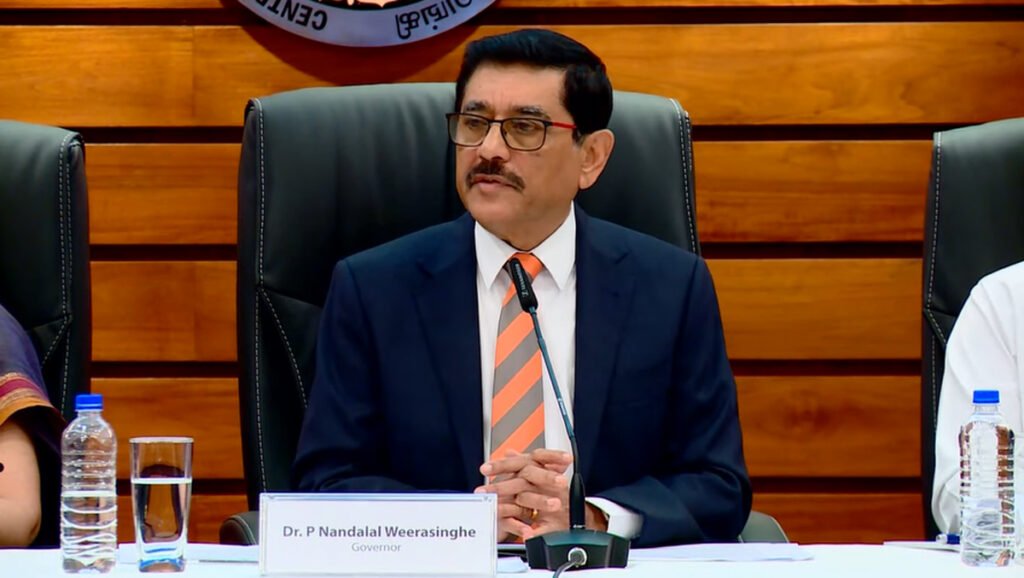
The Sri Lanka’s economy 2025 performance, as detailed in the Central Bank of Sri Lanka’s (CBSL) Annual Economic Review 2025, reflects continued resilience amid global uncertainties, policy reforms under the IMF Extended Fund Facility (EFF), and the disruptive effects of Cyclone Ditwah in late November. Nominal GDP rose to Rs. 32,750.8 billion (USD 108.8 billion), […]
Understanding the Impact of Inflation on Low-Income Families
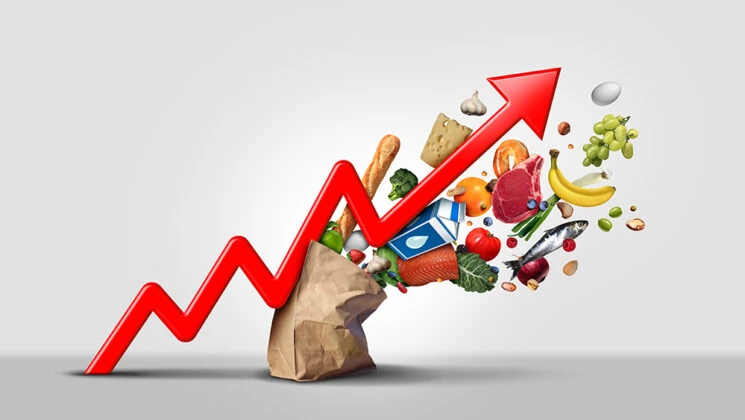
Understanding the Impact of Inflation on Low-Income Families – For millions of Sri Lankan families living on modest incomes, inflation is far more than a headline statistic. It is the quiet force that forces impossible choices between food on the table, school fees, medicine, and keeping the lights on. Even as headline inflation has moderated, […]
IMF Staff Reaches Staff-Level Agreement on Combined Fifth and Sixth Reviews of Sri Lanka’s EFF Program

IMF Sri Lanka 2026, Staff-Level Agreement Reached for Next Review – An International Monetary Fund (IMF) mission team led by Mr. Evan Papageorgiou visited Sri Lanka from March 26 to April 9, 2026, and reached staff-level agreement on economic policies to conclude the combined Fifth and Sixth Reviews under the country’s Extended Fund Facility (EFF) […]
The Struggle for Affordable Housing in Sri Lanka’s Urban Centres
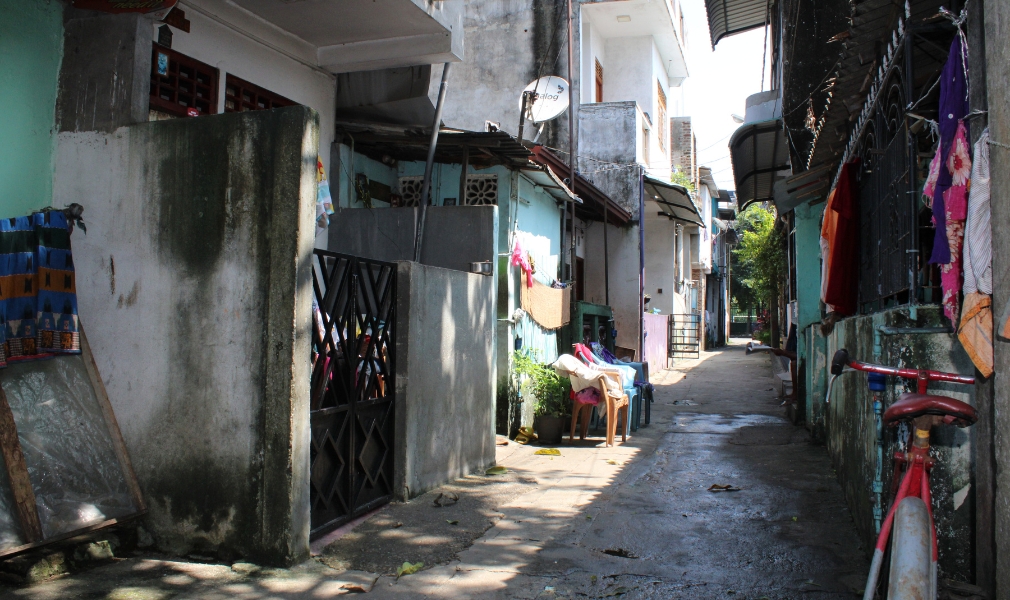
Sri Lanka’s cities are expanding rapidly, yet affordable housing remains out of reach for the majority of urban families. In Colombo and its surrounding suburbs, soaring property prices, elevated rents, and stagnant real incomes have turned homeownership into a distant dream for lower- and middle-income households. Young professionals, working families, and low-wage earners increasingly face […]
What Are the Hidden Costs of Public Sector Cuts on Citizens?

What Are the Hidden Costs of Public Sector Cuts on Citizens? Sri Lanka’s ongoing fiscal consolidation under the IMF-supported programme has brought visible macro gains debt restructuring, rebuilt reserves, and moderated inflation. Yet beneath these stabilising metrics lies a quieter reality: the hidden costs of public sector cuts on ordinary citizens. Rationalisation of the public […]
The Real Cost of High Living Expenses: How Can Families Cope?
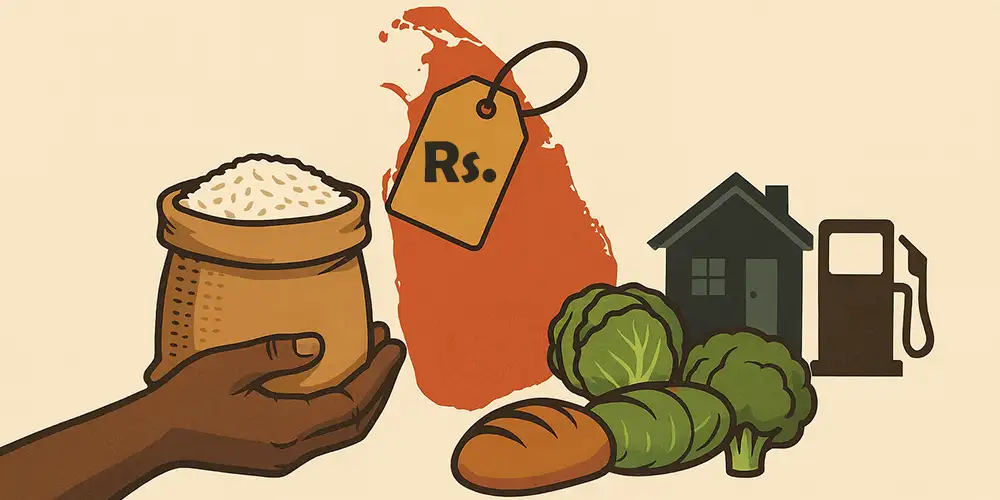
The Real Cost of High Living Expenses – Sri Lanka’s families continue to grapple with the lingering effects of elevated prices even as headline inflation has moderated. After years of crisis-driven shocks, many households still face a cost of living that feels disproportionately high relative to incomes. Monthly expenses for food, fuel, utilities, transport, and […]
Can Regional Economic Storytelling Perform Better Than Colombo-Only Coverage?
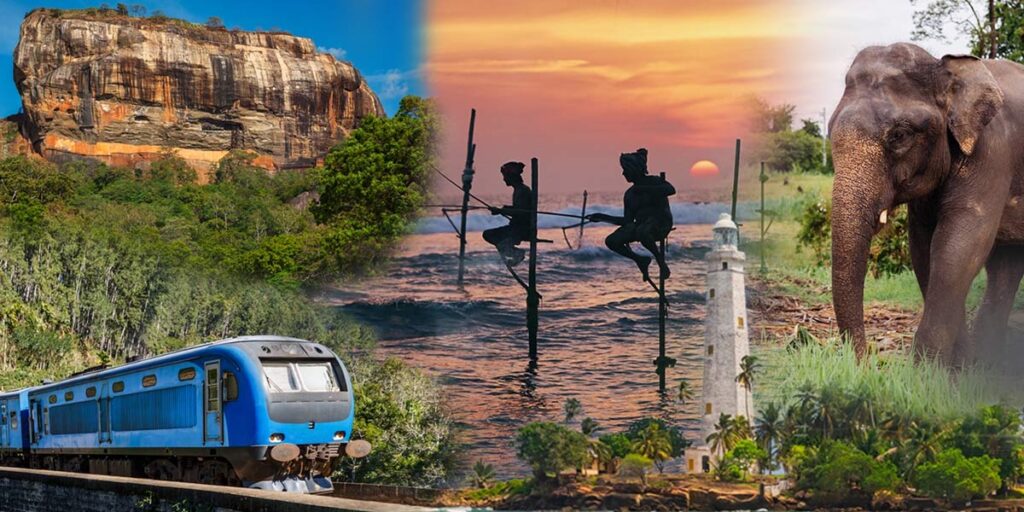
Sri Lanka regional economy is becoming a bigger story as growth patterns shift beyond Colombo. Provincial GDP data, local business activity, and rising demand outside the Western Province suggest the national economy may be more diverse than headline coverage implies. Sri Lanka’s business and economic coverage often remains heavily centred on Colombo, the Port City […]
Sri Lanka Economy 2026: Is Recovery Enough to Prevent Another Crisis?
Sri Lanka economy 2026 is showing clear signs of recovery, with stronger reserves, export growth, and improving stability. But many of the structural weaknesses that caused past shocks still remain, raising a bigger question about whether the country is truly becoming crisis-resistant. Sri Lanka’s leaders and commentators speak constantly of building economic resilience. After repeated […]
Is the Rush Towards Alternative Mobility a Real Solution or Just a Crisis Reaction?
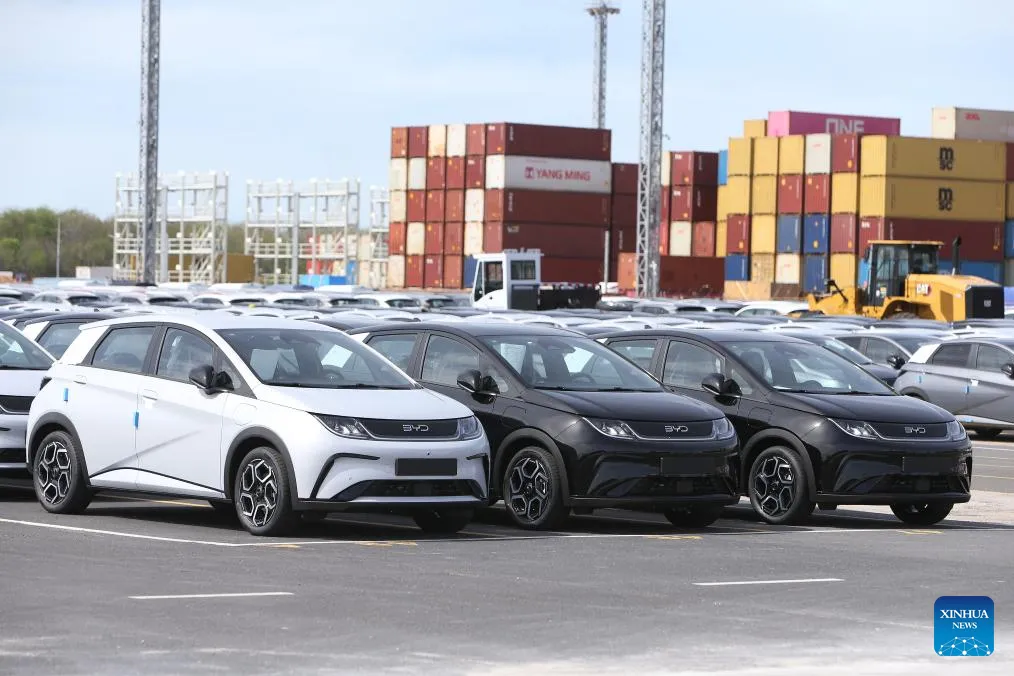
Is the Rush Towards Alternative Mobility a Real Solution or Just a Crisis Reaction? Sri Lanka’s transport landscape shifts rapidly whenever fuel availability tightens or prices surge. Public behaviour changes almost overnight queues at petrol stations give way to heightened interest in electric vehicles, hybrids, and other lower-fuel options. These visible responses dominate conversations and […]
Sri Lanka Fuel Crisis 2026: Why Malaysia Stays Stable While We Negotiate Abroad
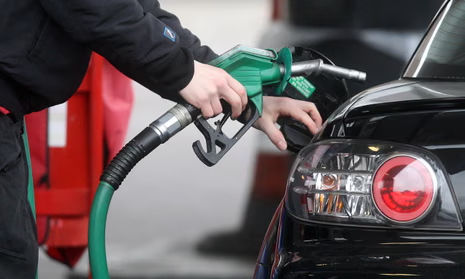
As global oil prices surge past USD 100 per barrel due to Middle East conflict and Strait of Hormuz disruptions, Sri Lanka is once again facing a fuel crisis in March 2026. Recent price hikes of up to 25%, the introduction of a four-day work week, QR-based rationing, and warnings of rising food prices have […]