
Rebuilding After the Cyclone: Why Recovery Must Start With People, Not Projects
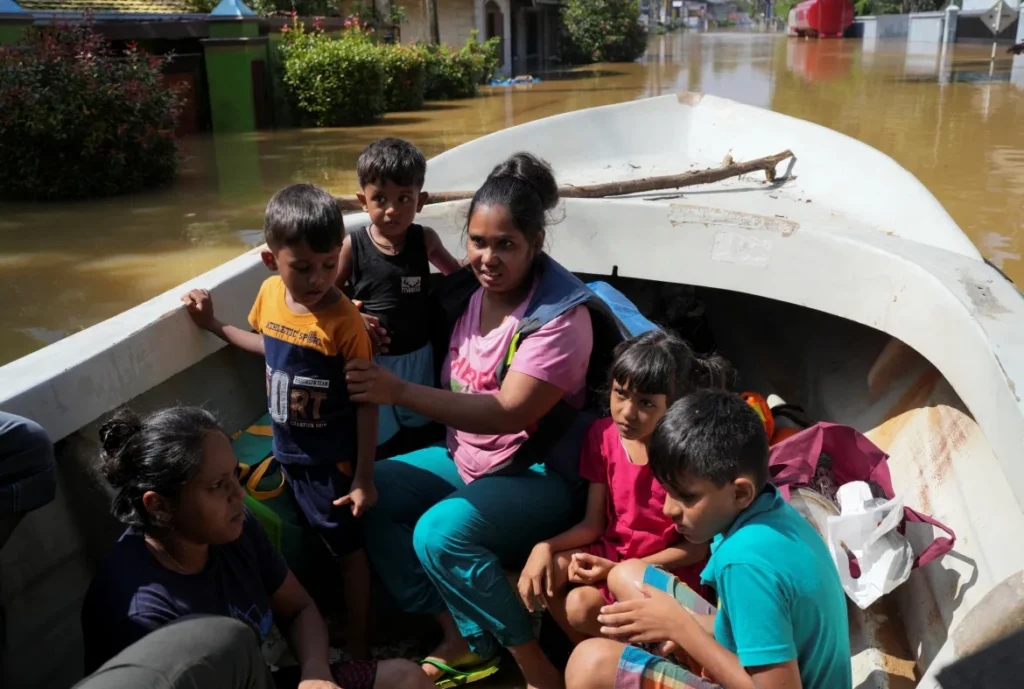
When a cyclone tears through a country, the immediate images are always the same; fallen trees, flooded homes, damaged roads, boats pushed inland, families sheltering in schools. But long after the water recedes and the news cycle shifts, the real recovery quietly begins in kitchens, shops, fields, classrooms, and tea stalls. It is a slow, […]
The Growing Gap Between Interest Rates and Real Consumer Income! Is Sri Lanka Heading Toward a Demand Crisis?

Sri Lanka’s post-crisis stabilisation has relied heavily on monetary tightening, fiscal consolidation, and structural reforms. While these measures have helped restore macroeconomic stability, they have also created a widening disconnect between interest rates and real disposable income a gap that is now shaping consumer behaviour, business performance, and long-term growth prospects. The central question is […]
Is the New Bank Policy on Pledged Land Choking SMEs?

Small and medium enterprises form the backbone of Sri Lanka’s economy. They account for more than 75% of all businesses and contribute significantly to employment, regional development, and post-crisis recovery. Yet, as the country struggles to regain economic stability, a new challenge is emerging one that is rarely discussed but deeply consequential. Banks have tightened […]
Sri Lanka’s Lifeline Abroad: Rethinking Migration and Remittance Policy
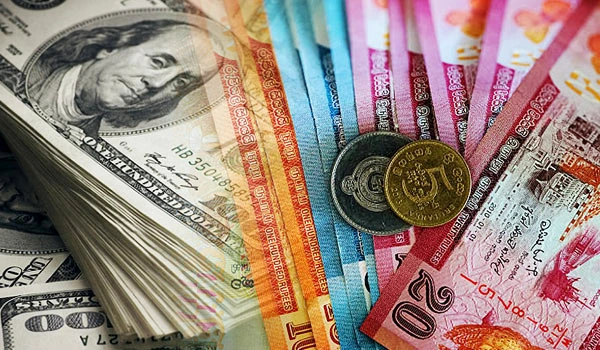
For decades the outflow of Sri Lankan workers and the inflow of their remittances have been crucial to the country’s external stability. Today this reality merits a deeper policy overhaul: the flows are large, evolving, and carry both economic benefits and social costs. The Economic Importance Workers’ remittances into Sri Lanka remain a major source […]
Proposed CEB Tariff Hike: Smart Reform or Unnecessary Shock?

Sri Lanka’s electricity pricing debate heats up again. Here’s what the 6.8% proposal means for households, the grid, and the economy. In October 2025, the Ceylon Electricity Board (CEB) proposed a 6.8% increase in electricity tariffs for the final quarter of the year, citing rising operational costs, debt burdens, and the need for cost-reflective pricing. […]
Port City Colombo Now: Rules Tightened, Utilities Live, Proof Point is Speed

Port City Colombo is closer to “investment-ready” than at any time since 2021. The rulebook has been clarified, phase-one utilities are complete, and Cabinet has green-lit amendments to sharpen the regime. The next question is simple: can the zone deliver fast, predictable approvals and real operating tenants over the next 12 months? Governance: same backbone, […]
Why Your Grocery Bill Feels High – The Everyday Mechanics Behind Food Prices in Sri Lanka
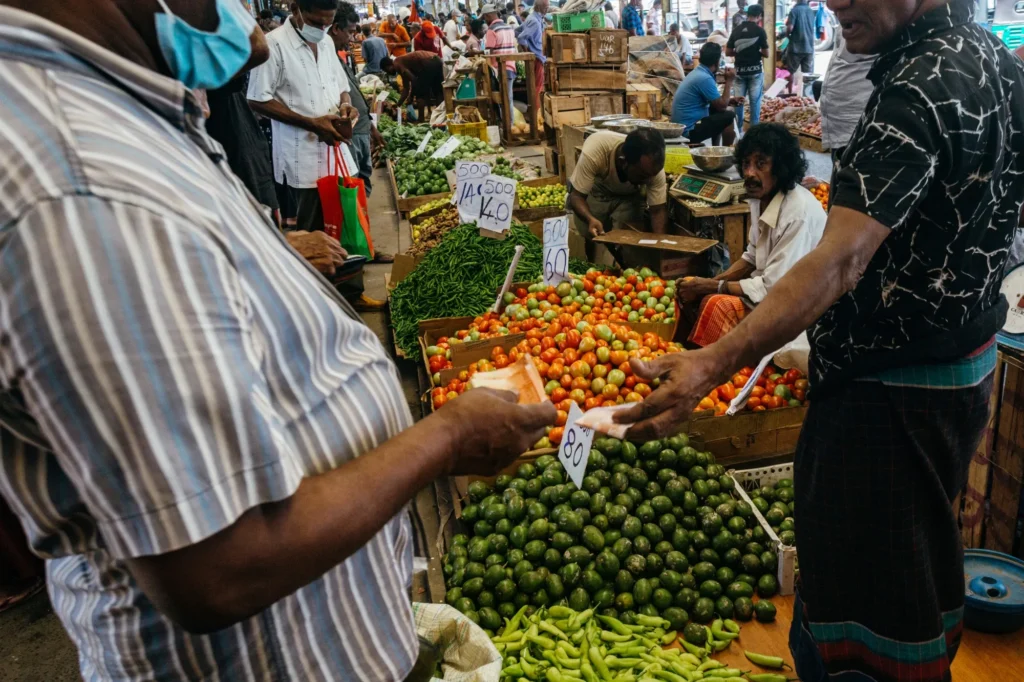
Grocery Bill or Food prices are not random. They reflect a stack of policy choices and costs: VAT and para-tariffs at the border, a volatile rupee, fuel and electricity prices, weak logistics, market opacity, and post-harvest losses. When small frictions compound across the chain, the final shelf price jumps. Durable relief comes from cleaner taxes, […]
Sri Lanka’s Debt Path After Restructuring: Why Stock Relief Is Not Enough

Sri Lanka has crossed the hardest miles of debt restructuring. Eurobonds were exchanged in December 2024. Bilateral deals have advanced with Japan, India, and others. According to IMF Mission Chief Evan Papageorgiou, only about US$500 million of the US$28 billion “under the perimeter” remains to be finalised. That is real progress. It is not, by […]
Targeting Social Protection: Cut leakage, cut exclusion, protect the vulnerable
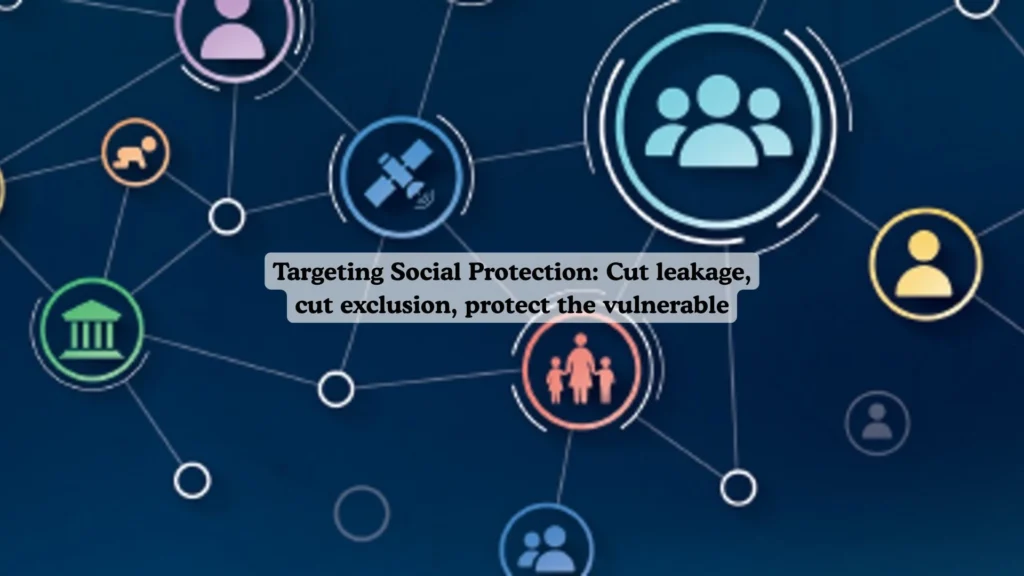
Sri Lanka cannot afford waste in social protection. Transfers must reach poor and near-poor households on time, with minimal leakage to the non-poor and minimal exclusion of eligible families. The goal is simple: pay the right people, quickly and predictably, while preserving dignity and privacy. The problem, stated plainly Two errors dominate weak systems. Leakage: […]
Essential medicines in Sri Lanka: where the chain breaks today
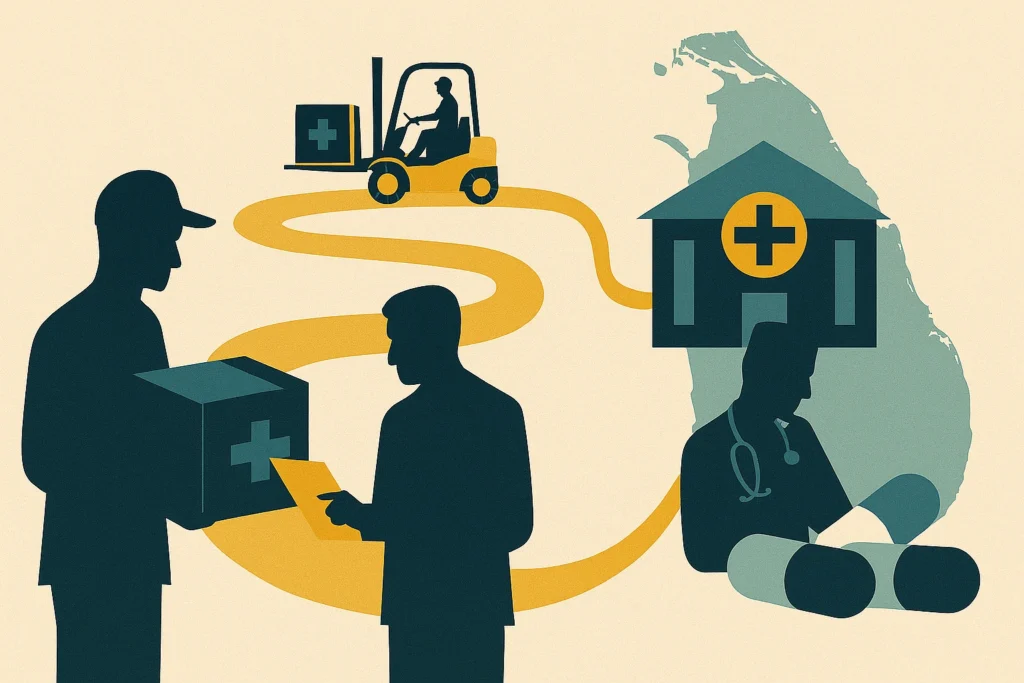
Sri Lanka still runs a fragile medicine supply chain. Imports account for most items, so any policy, forex, or logistics shock turns into stock-outs at the ward. The crisis of 2022 exposed systemic weaknesses. Many remain. The following map shows the binding constraints today and the quickest levers to relieve them. 1) Planning and demand […]