

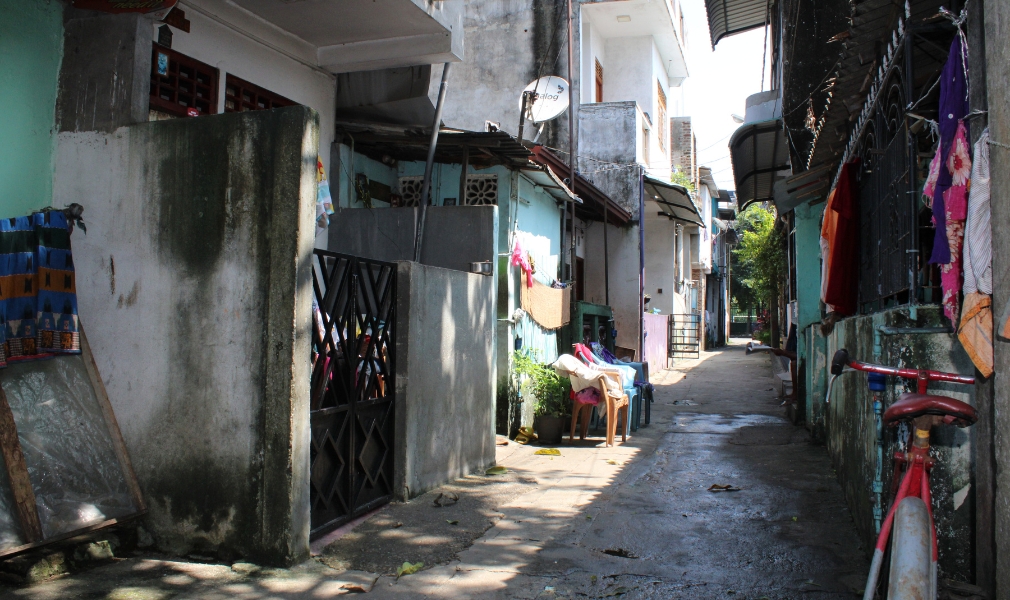
Sri Lanka’s cities are expanding rapidly, yet affordable housing remains out of reach for the majority of urban families. In Colombo and its surrounding suburbs, soaring property prices, elevated rents, and stagnant real incomes have turned homeownership into a distant dream for lower- and middle-income households. Young professionals, working families, and low-wage earners increasingly face overcrowded living conditions, long commutes, or the burden of rents that consume more than half their monthly earnings.
The Sri Lanka housing crisis is no longer a peripheral concern it is a daily reality that deepens inequality, strains household budgets, and threatens social stability. While government initiatives promise new units, the scale of the challenge demands urgent, practical solutions to deliver genuine affordable housing across urban centres.
The distinction matters. Rapid urbanisation can drive economic growth, but only if housing supply keeps pace with demand. Without targeted policy action, the current affordability crisis risks turning urban opportunity into urban exclusion, with lasting consequences for families and the national economy.
Also in Explained | What Are the Hidden Costs of Public Sector Cuts on Citizens?
The Pressure of Housing Affordability in Sri Lanka’s Urban Discourse
National dialogue increasingly acknowledges the strain. Colombo has been ranked the world’s most unaffordable major city for homebuyers in 2026, with a price-to-income ratio of 55.3 – meaning the average apartment requires more than 55 years of a typical household’s entire income. Sri Lanka overall ranks second in Asia for housing unaffordability, according to The Economist’s March 2026 analysis. In Colombo and its suburbs (Gampaha, Kalutara, and beyond), condominium prices rose 13.3 percent year-on-year in Q4 2025, while sales volumes surged over 100 percent, signalling strong speculative demand alongside genuine housing needs.
These figures dominate headlines because they reflect a visible crisis: average monthly net salaries hover around Rs 70,000–70,452, yet a one-bedroom apartment in the city centre rents for approximately Rs 131,386 per month. For lower-income families, the result is painful trade-offs; shared accommodation, extended family living, or relocation to distant suburbs with longer commutes and higher transport costs. The conversation, however, often stays focused on luxury developments and investor activity rather than the everyday struggles of ordinary urban residents.
Understanding Affordable Housing: The Foundation of Sustainable Urbanisation
Affordable housing means homes that are accessible to households earning the median or lower incomes without compromising other essential needs. It requires a balance of supply, cost control, land availability, and financing mechanisms that match urban realities. In growing cities, sustainable urbanisation depends on mixed-income developments, efficient public transport, and policies that prevent speculative price spirals.
Without these elements, urban growth concentrates demand in limited areas, driving up land and construction costs. Practical solutions include streamlined approvals for mid-income projects, incentives for developers targeting lower-income segments, and public-private partnerships that deliver scale. Sri Lanka’s housing crisis will persist until policy shifts from reactive allocations to systemic supply-side reforms that address both quantity and genuine affordability.
Sri Lanka’s Urban Housing: Visible Initiatives but Deepening Shortfalls
Official programmes show intent. The government plans to deliver 2,500 urban housing units for low-income and permanently homeless families in Colombo in 2026 under the Colombo Urban Revitalization Programme, with ambitions to reach 7,000 new units over the next two years. The broader National Housing Programme 2026 targets 31,000–31,318 houses nationwide, supported by a new National Housing Operations Committee established in February 2026 to improve coordination and oversight. Nearly Rs 100 billion has been allocated for housing construction this year.
Yet the gap remains wide. A national housing deficit of approximately 900,000 units persists, with urban demand heavily concentrated in Colombo and its immediate suburbs. Supply outside the capital is limited, pushing more families into the already strained Colombo metropolitan area. While high-end condominium projects proliferate, options for middle- and lower-income groups lag far behind, leaving many reliant on informal settlements or overcrowded rentals.
The Affordability Gap: Evidence from Prices, Incomes and Lower-Income Families
Data reveal a stark mismatch. Colombo’s price-to-income ratio of 55.3 far exceeds regional peers, making ownership statistically unattainable for the average earner. Land prices in Colombo rose over 10 percent year-on-year in 2025, with residential, commercial, and industrial segments all affected. Rental yields remain low (around 3–3.8 percent), further discouraging supply for rental markets.
For lower-income families, the impact is immediate and severe. Many allocate more than 50 percent of income to rent, leaving little for food, education, or healthcare. Young professionals and working households increasingly share rooms or commute from distant areas, raising transport costs and reducing quality of life. Estate and migrant workers in urban centres face even greater precarity, often living in substandard conditions without security of tenure. These pressures exacerbate inequality, delay family formation, and contribute to outward migration of skilled workers seeking better opportunities abroad.
Why the Housing Crisis Persists: Structural and Policy Realities
Several factors sustain the struggle. Rapid urbanisation has outpaced housing supply, with most demand funnelling into Colombo due to limited development in secondary cities. High construction costs, import dependence for materials, and speculative land holding drive prices higher. Policy implementation gaps; including slow approvals, limited incentives for affordable segments, and weak enforcement of zoning hinder scaled delivery.
Fiscal constraints and competing priorities have also slowed large-scale public housing programmes. While the 2026 initiatives mark progress, they remain modest relative to the 900,000-unit deficit. Urban planning has historically favoured high-end developments, leaving lower-income needs underserved. Without bolder reforms in land release, financing, and public-private collaboration, the crisis will continue to deepen.
Risks for Lower-Income Families and Urban Future
Unchecked affordability pressures carry clear dangers. Lower-income families face heightened poverty risk, poorer health outcomes, and reduced educational attainment for children. Urban inequality widens, potentially fuelling social tensions. Broader economic costs include lower productivity from long commutes, talent retention challenges, and slower urban-driven growth.
If unaddressed, the housing crisis could undermine Sri Lanka’s demographic dividend by discouraging young workers from settling in cities and contributing fully to the economy. Sustainable urbanisation requires housing that supports, rather than hinders, inclusive development.
A Forward-Looking Policy Shift: Practical Solutions for Affordable Housing
Delivering meaningful relief requires urgent, practical action on three fronts.
First, accelerate supply through targeted incentives. Streamline approvals for mid- and low-income projects, offer tax relief on housing loans and construction materials, and release state land for mixed-income developments in secondary cities to ease pressure on Colombo.
Second, expand financing and public-private partnerships. Develop accessible mortgage schemes for lower-income buyers, incentivise developers to allocate portions of projects to affordable units, and scale community-driven models that have succeeded in other urban contexts.
Third, strengthen urban planning and equity measures. Update the National Housing Policy with clear affordability targets, invest in public transport linkages to new housing areas, and prioritise rental options alongside ownership. Regular monitoring of price-to-income ratios and beneficiary outcomes will ensure policies deliver real impact.
The 2026 National Housing Operations Committee and planned units provide a foundation; scaling these efforts with private-sector involvement and fiscal support can produce faster, more sustainable results. International models show that integrated policy packages combining supply, finance, and planning can rapidly improve affordability.
Conclusion
Sri Lanka’s urban centres, led by Colombo, face a severe housing crisis where price-to-income ratios have reached extreme levels – 55.3 in Colombo and lower-income families struggle daily with high rents and limited options. While government plans for 2026 promise thousands of new units and better coordination, the scale of the deficit and ongoing urbanisation demand far bolder, faster action.
Affordable housing solutions are not optional, they are essential for equitable growth, family stability, and national productivity. By addressing supply constraints, reforming financing, and prioritising practical policy measures, Sri Lanka can ease the struggle for ordinary citizens and turn urban expansion into shared opportunity. The window for decisive intervention is open today; failing to seize it risks deepening inequality and slowing the very urban progress the country needs. Practical, urgent reforms now will determine whether Sri Lanka’s cities become engines of inclusive prosperity or barriers that leave too many families behind.
Also in Explained | Can Sri Lanka’s Education System Truly Prepare Kids for the Future?