
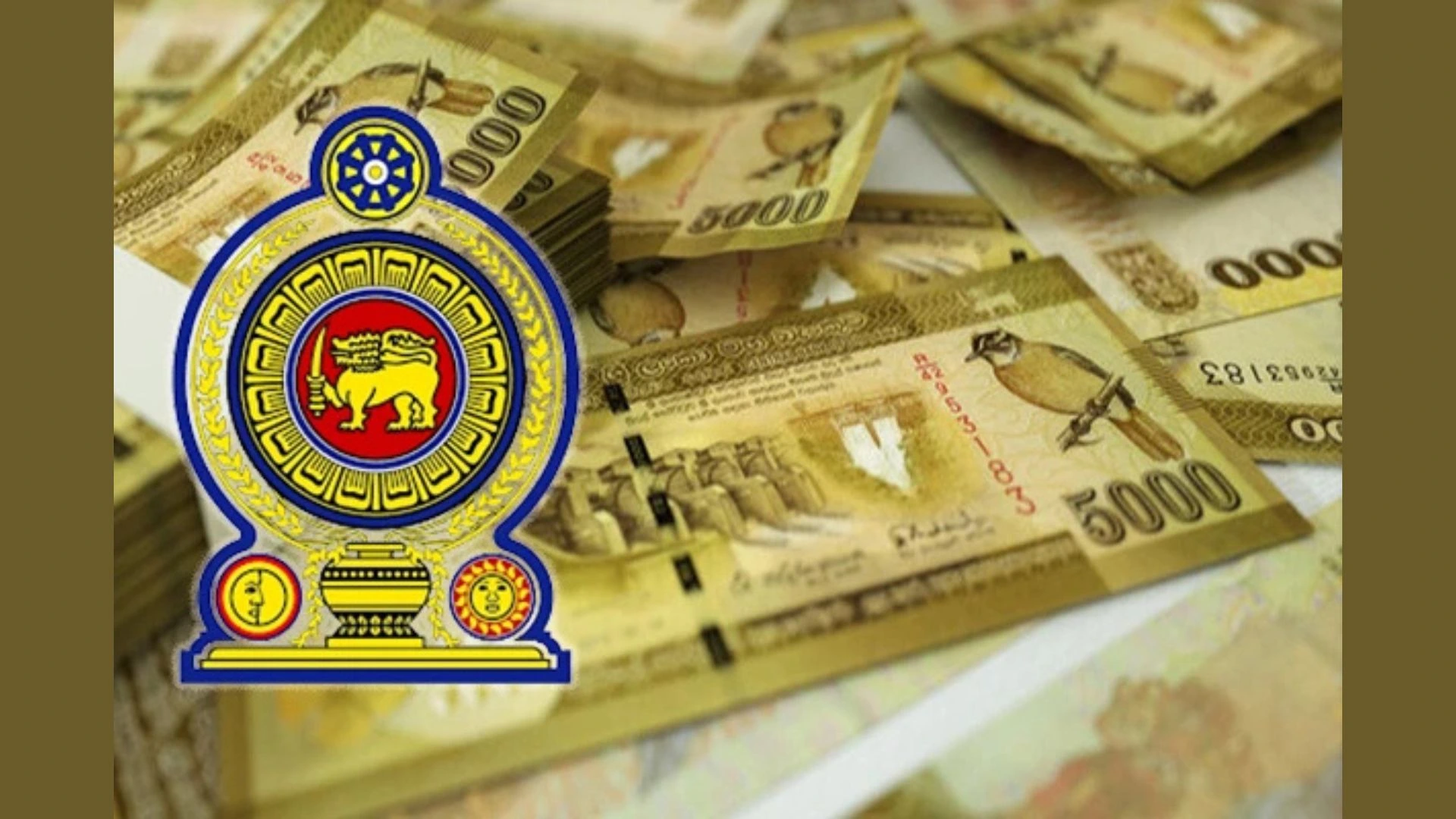
Aswesuma Double Payment Error | The Finance Ministry and the Welfare Benefits Board have admitted to a significant blunder in the Aswesuma welfare programme. In April 2026, thousands of beneficiaries received double payments due to an “accidental” duplicate upload of payment files while processing additional festive allowances ahead of the Sinhala and Tamil New Year. According to official statements, nearly 1.7 million beneficiary families were part of the payment process, and the error resulted in an unauthorised payout of approximately Rs. 248 million.
The Ministry has described the incident as a technical slip involving a duplicated “payment slip file” that was sent to the Bank of Ceylon. Immediate action was taken to suspend further duplicate payments and instruct banks to reverse the excess funds. While the error has been acknowledged publicly, many questions remain about how such a large-scale mistake occurred in one of the country’s flagship welfare programmes.
Also in Explained | Aswesuma Expansion in Sri Lanka: Strengthening the Social Safety Net in 2025
The Context – Aswesuma Double Payment Error
Launched as a key social protection initiative to support low-income families during Sri Lanka’s economic recovery, Aswesuma provides direct cash transfers to the most vulnerable households. The programme aims to replace earlier fragmented welfare schemes with a more targeted, transparent system based on verified poverty data.
For many recipient families especially those in the “poor” and “extremely poor” categories these monthly payments are a vital lifeline for food, healthcare, and children’s education. Any disruption or error in this system has immediate real-world consequences. While the double payment may have offered temporary relief to some families, the subsequent recovery process could create confusion, financial uncertainty, and loss of trust in the welfare system.
What Went Wrong?
According to the Welfare Benefits Board, the duplication occurred during the batch processing of festive allowances. Files were grouped in batches of around 90,000 before being sent to the bank. This suggests weaknesses in internal verification, data validation, and quality control mechanisms. In a programme serving nearly 1.7 million families, even a small technical glitch can result in massive financial leakage.
This incident raises broader concerns about:
- The robustness of digital payment systems and data management in public welfare programmes.
- The capacity and training of officials handling large-scale cash transfer operations.
- The effectiveness of oversight and audit mechanisms during high-volume payment periods (such as festive seasons).
The Bigger Picture: Public Trust and Governance
While officials have acted quickly to address the error, the episode highlights ongoing challenges in public financial management. Sri Lanka is still rebuilding trust in state institutions after the 2022 economic crisis. Large-scale welfare programmes like Aswesuma are politically and socially sensitive. Any perception of inefficiency, waste, or lack of accountability can quickly erode public confidence.
At the same time, it is important to note that errors can occur in even the best-run systems. The key test will be how transparently and efficiently the government handles the recovery of the Rs. 248 million and what preventive measures are put in place to avoid similar mistakes in the future.
Lessons and Recommendations
This incident offers several important takeaways:
- Strengthen Digital Safeguards: Implement multi-layer verification processes, automated cross-checks, and real-time auditing for large payment batches.
- Improve Capacity Building: Provide specialised training for staff handling welfare payments and invest in modern, secure digital infrastructure.
- Enhance Transparency: Regular public reporting on payment accuracy, error rates, and recovery actions can help maintain trust.
- Targeted Communication: Clear, timely communication with beneficiaries about any payment issues is essential to prevent confusion and anxiety.
- Independent Oversight: Consider involving third-party audits or civil society monitoring for major welfare disbursements, especially during festive periods.
Way Forward
The Aswesuma programme remains crucial for protecting vulnerable Sri Lankans during economic recovery. A single administrative error, while serious, should not overshadow the programme’s overall importance. However, it must serve as a catalyst for meaningful reform in how Sri Lanka manages large-scale social protection schemes.
Moving forward, the government should focus not only on recovering the excess funds but also on rebuilding public confidence through greater transparency and demonstrable improvements in systems and accountability. For a country working hard to stabilise its economy and support its citizens, getting welfare delivery right is not just a technical requirement, it is a matter of social justice and good governance.
The Rs. 248 million mistake is a costly lesson. How the authorities respond to it will speak volumes about the maturity and reliability of Sri Lanka’s public service delivery systems in the post-crisis era.
Also in Explained | Aswesuma Welfare: Why Sri Lanka Must Rethink Its Welfare Culture?