
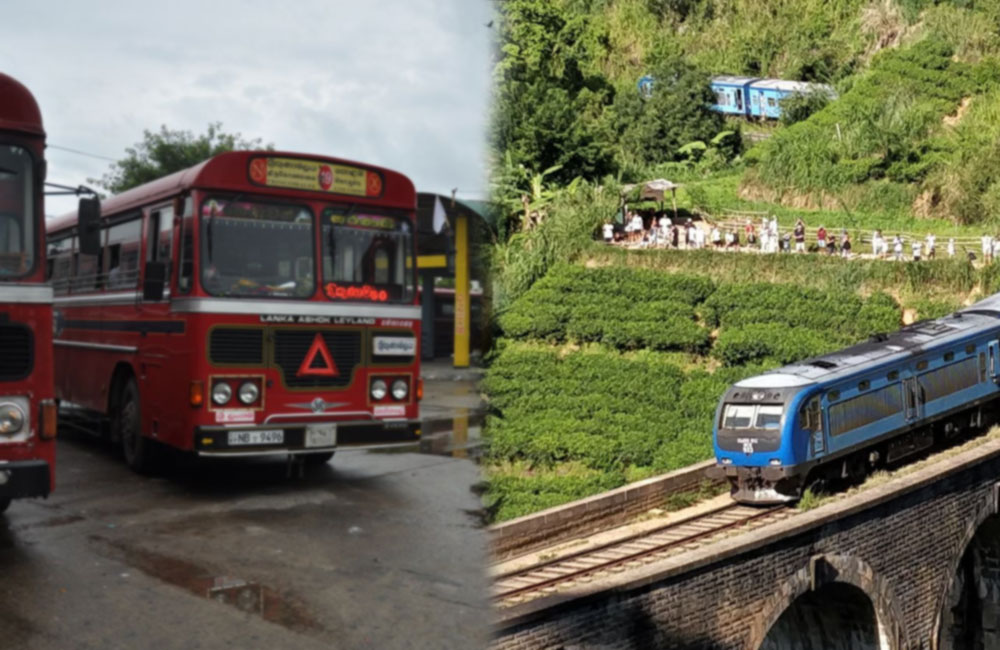
Sri Lanka’s public transport system carries millions of commuters every day, serving as the backbone of urban and inter-city mobility. Yet as the population grows, cities expand, and economic activity rebounds, the system is visibly straining under rising demand. Overcrowded buses, delayed trains, unreliable schedules, and escalating fares are becoming daily realities for students, workers, and families. The public transport network dominated by state and private buses alongside Sri Lanka Railways must now confront not only post-crisis recovery but also the structural pressures of rapid urbanisation and population shifts. Meeting this growing demand requires more than incremental fixes; it demands critical reforms in connectivity, affordability, and sustainability to keep the system viable for ordinary citizens.
The distinction matters. A transport network that once served a smaller, less mobile population can no longer cope with today’s commuting patterns without deliberate investment and policy shifts. Sri Lanka’s recent experience from fuel rationing and price spikes to post-cyclone disruptions shows both the system’s resilience and its fragility when demand surges.
Also in Explained | The Struggle for Affordable Housing in Sri Lanka’s Urban Centres
The Pressure of Growing Demand in Sri Lanka’s Discourse
National dialogue increasingly highlights commuting challenges. In Colombo and its suburbs, daily passenger movements exceed 1.2 million on public transport alone, with buses carrying the vast majority. Urbanisation has accelerated, with the Western Province’s population density rising and secondary cities like Kandy, Galle, and Jaffna experiencing spillover growth. The 2026 budget acknowledges transport pressures through allocations for road improvements and electric bus pilots, yet service reliability remains a frequent complaint.
Media and public discourse focus on immediate pain points long queues at bus stands, overcrowded trains during peak hours, and sudden fare hikes tied to fuel costs. In March 2026, sharp increases in petrol and diesel prices (to LKR 398 and LKR 382 per litre respectively) triggered renewed rationing and warnings of widespread bus service reductions, forcing many commuters to seek costlier alternatives or reduce travel. These events dominate headlines because they affect daily life directly, yet they also reveal a deeper systemic vulnerability: demand is outpacing capacity.
Understanding Public Transport Challenges: The Foundation of Sustainable Urban Mobility
Public transport in Sri Lanka must deliver reliable, affordable, and sustainable mobility to support economic productivity and social equity. Key pillars include fleet adequacy, route coverage, integration between buses and trains, digital ticketing, and low-emission technologies. Urban mobility solutions must address not only peak-hour congestion but also last-mile connectivity, accessibility for vulnerable groups (women, elderly, disabled), and resilience to fuel price volatility and climate events.
Without these foundations, growing demand leads to inefficiency: higher private vehicle use, increased emissions, lost productivity from long commutes, and greater inequality for those unable to afford alternatives. Sustainable urban mobility therefore requires a shift from reactive crisis management to proactive, integrated planning that balances supply expansion with demand management and environmental goals.
Sri Lanka’s Public Transport System: Current State and Visible Strains
Official indicators confirm both scale and stress. The Sri Lanka Transport Board (SLTB) and private operators run over 20,000 buses nationwide, while Sri Lanka Railways operates more than 300 daily trains carrying millions annually. Colombo’s public transport system handles the bulk of urban commuting, yet average bus occupancy frequently exceeds safe levels during rush hours. Train services on key lines (Colombo–Kandy, Colombo–Galle) remain heavily utilised but suffer from ageing rolling stock and signalling limitations.
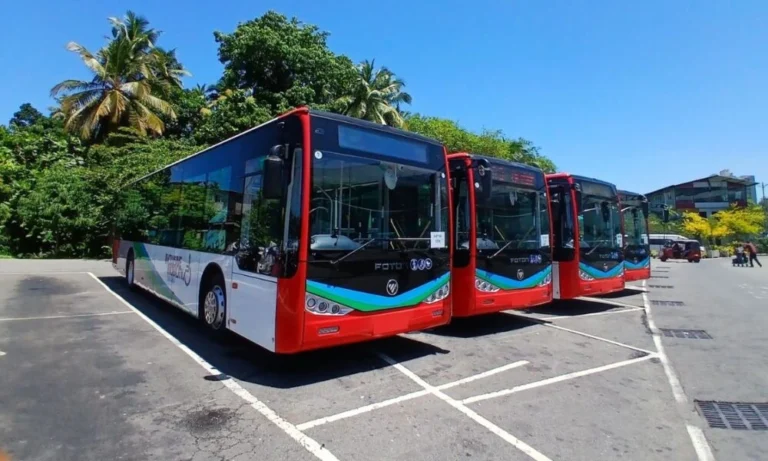
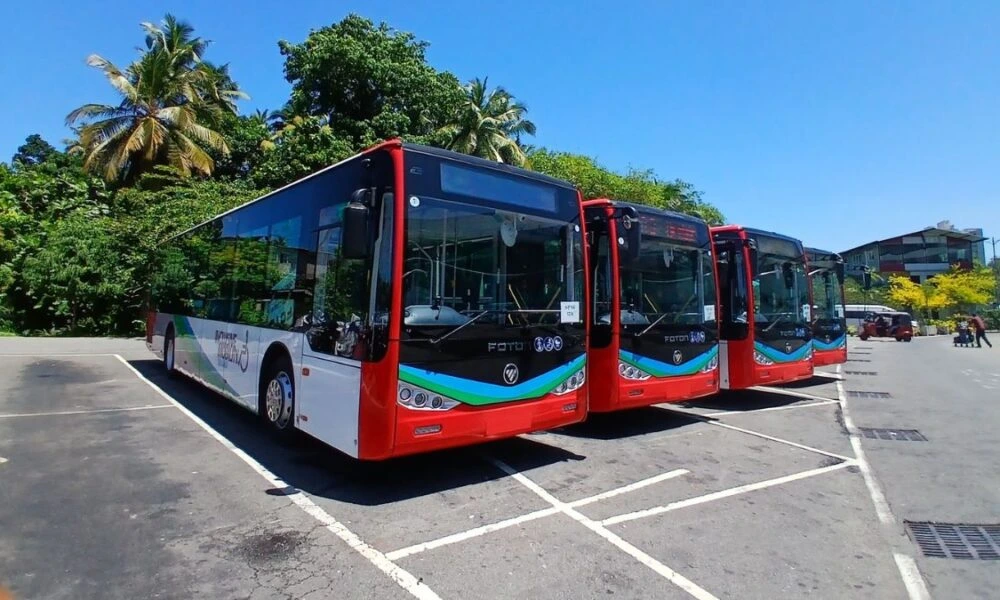
Recent events expose vulnerabilities. March 2026 fuel price hikes and QR-code rationing disrupted bus schedules, with operators warning of reduced services and higher fares. Cyclone Ditwah in late 2025 damaged infrastructure and disrupted operations across multiple provinces, highlighting climate-related risks. While electric bus trials and digital payment pilots show promise, coverage remains limited, and most commuters still rely on diesel-powered vehicles vulnerable to global oil price swings.
The Capacity Gap: Evidence from Commuting, Reliability and Sustainability
Data paint a consistent picture of strain. Peak-hour commuting in Colombo often involves standing room only, with average journey times inflated by congestion and unreliable schedules. Rural and inter-city routes suffer from infrequent services, forcing reliance on private three-wheelers or taxis that raise household costs. Affordability is deteriorating: fare increases tied to fuel prices have outpaced wage growth for many lower-income groups.
Sustainability gaps are equally evident. The transport sector accounts for the largest share of petroleum consumption, contributing significantly to emissions and import dependence. Electric vehicle adoption in public fleets is in early stages, with limited charging infrastructure and grid capacity to support widespread electrification. Integration between bus and rail remains weak, with poor last-mile options discouraging modal shifts from private vehicles.
These realities translate into real economic and social costs: lost working hours, higher household transport expenditure, reduced female workforce participation due to safety and reliability concerns, and slower urban economic momentum.
Why Pressures Persist: Policy and Infrastructure Realities
Several structural factors sustain the challenges. First, investment has historically prioritised road expansion over integrated public transport modernisation. Second, fragmented governance split between multiple ministries and agencies slows coordinated planning. Third, fiscal constraints under the ongoing IMF programme have limited large-scale capital spending on new buses, rail upgrades, or mass rapid transit systems.
Policy responses have been incremental: fare adjustments, selective electric bus introductions, and proposals for a Colombo metro. Yet implementation lags due to financing, land acquisition, and technical capacity gaps. Public discourse often focuses on short-term relief (subsidies or fuel rationing) rather than long-term structural solutions like dedicated bus rapid transit corridors or integrated ticketing.
Risks of Inadequate Response for Sri Lanka’s Future
Failure to scale up capacity carries clear dangers. Continued overcrowding and unreliability will push more commuters toward private vehicles, worsening congestion, pollution, and fuel import bills. Lower-income families will face higher effective transport costs, limiting access to jobs and education. Urban productivity will suffer, slowing economic diversification and inclusive growth.
Climate vulnerability adds urgency: extreme weather events will increasingly disrupt services unless resilience is built in. Without reform, Sri Lanka risks locking in inefficient, high-emission mobility patterns that undermine both environmental goals and long-term competitiveness.
A Forward-Looking Policy Shift: Practical Solutions for Connectivity, Affordability and Sustainability
Meeting growing demand requires critical, solutions-oriented action on three fronts.
First, expand and modernise core infrastructure. Accelerate rollout of electric buses and hybrid fleets with dedicated charging hubs, prioritise bus rapid transit lanes in Colombo and secondary cities, and invest in rail modernisation (signalling, rolling stock, and new lines) to increase frequency and capacity.
Second, improve affordability and integration. Introduce smart, distance-based ticketing with subsidies targeted at low-income users, enhance last-mile connectivity through feeder services and safe pedestrian/cycling infrastructure, and promote integrated multi-modal planning so buses and trains function as a seamless network.
Third, embed sustainability and resilience. Shift procurement toward low-emission vehicles, strengthen climate-adaptive maintenance, and use data-driven demand forecasting to optimise routes and schedules. Public-private partnerships can accelerate financing and innovation while maintaining public oversight for equity.
The 2026 budget’s focus on transport infrastructure provides a starting point; ring-fencing funds for public mobility and leveraging international climate finance can scale impact. International examples show that integrated reforms deliver faster, more reliable, and greener systems while reducing household costs.
Conclusion
Sri Lanka’s public transport system remains a lifeline for millions, yet it is struggling to keep pace with rising urban demand, population growth, and economic recovery. Overcrowding, reliability issues, affordability pressures, and sustainability gaps are no longer marginal concerns, they are daily realities that affect productivity, equity, and quality of life.
Urban mobility solutions exist and are achievable: modernised fleets, integrated networks, targeted affordability measures, and climate-resilient planning. By shifting from reactive fixes to critical, solutions-oriented reforms, Sri Lanka can transform its public transport into a reliable, affordable, and sustainable foundation for future growth. The pressures are real, but so is the opportunity. Decisive policy action now will determine whether the system meets the needs of a growing nation or continues to fall short of its potential.
Also in Explained | What Are the Hidden Costs of Public Sector Cuts on Citizens?