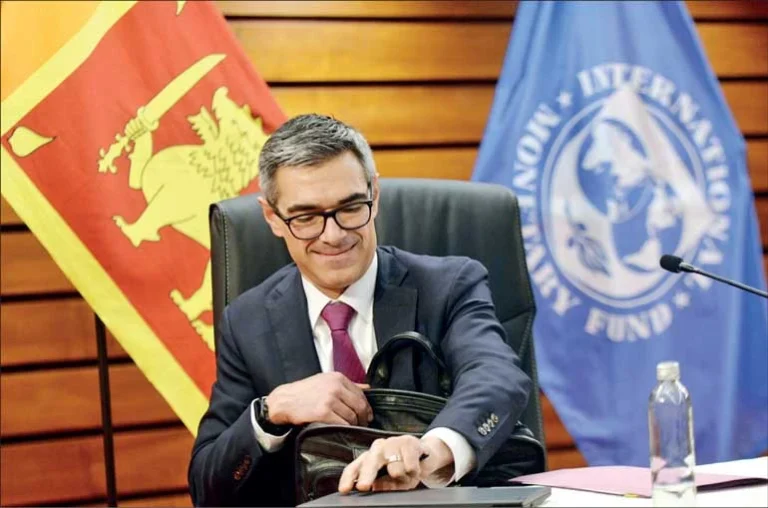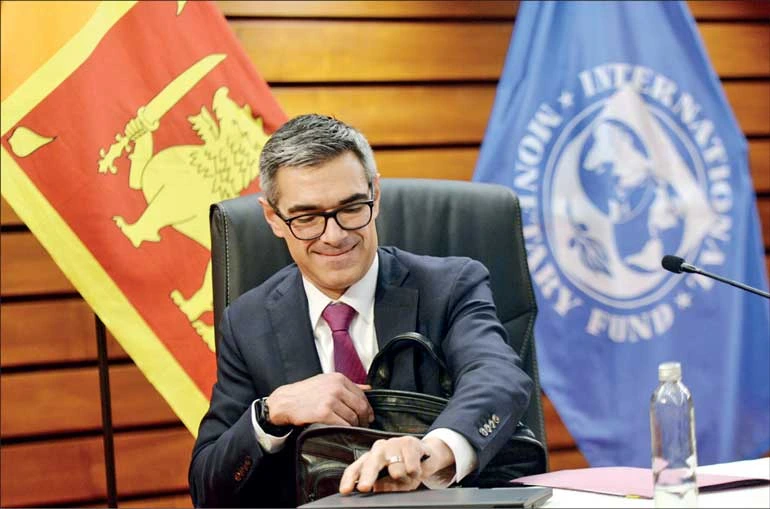

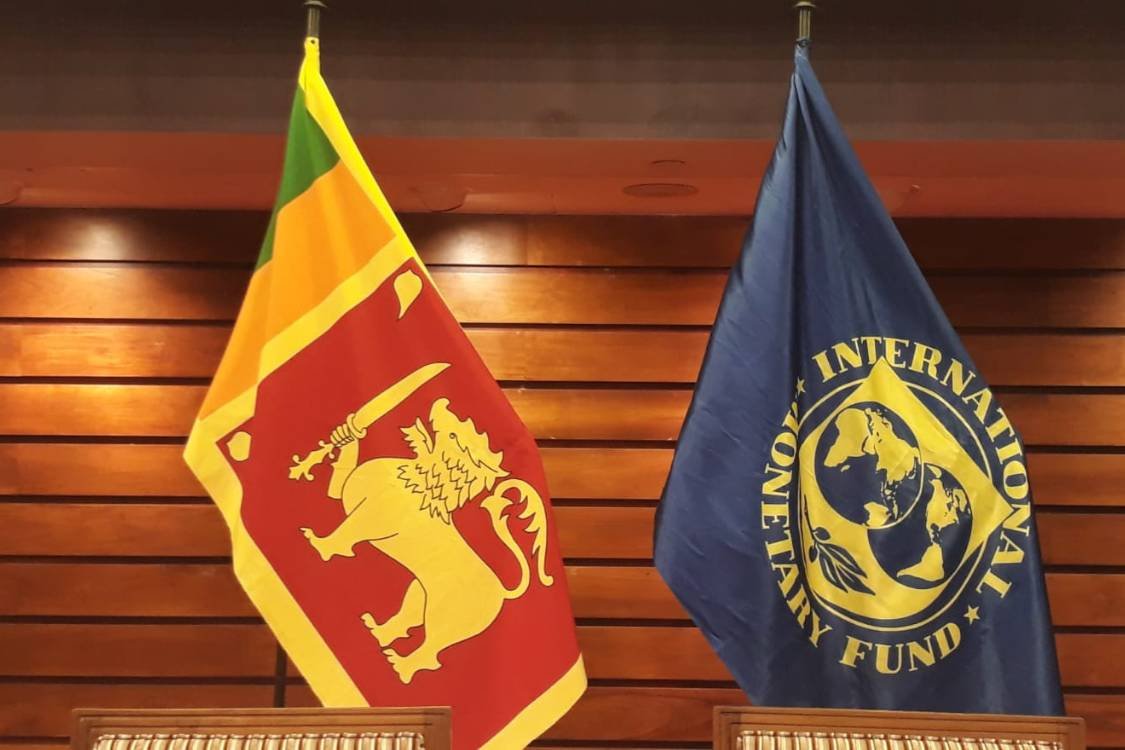
IMF Sri Lanka 2026, Staff-Level Agreement Reached for Next Review – An International Monetary Fund (IMF) mission team led by Mr. Evan Papageorgiou visited Sri Lanka from March 26 to April 9, 2026, and reached staff-level agreement on economic policies to conclude the combined Fifth and Sixth Reviews under the country’s Extended Fund Facility (EFF) arrangement.
The EFF was approved by the IMF Executive Board on March 20, 2023, for a total of SDR 2.3 billion (about US$3 billion). Upon Executive Board approval of the combined reviews, Sri Lanka would have access to SDR 508 million (about US$700 million), bringing total disbursements under the arrangement to SDR 1,778 million (about US$2.4 billion).
The staff-level agreement is subject to IMF Executive Board approval, contingent on two conditions: (i) the restoration of cost-recovery electricity and fuel pricing while protecting the vulnerable, and (ii) the completion of the financing assurances review to confirm multilateral partners’ financing contributions and adequate progress with debt restructuring.
Strong Performance Amid Challenges
The IMF statement highlights that Sri Lanka’s ambitious reform agenda continues to deliver commendable outcomes. Real GDP grew by 5 percent year-on-year in 2025. Inflation has returned to positive territory and stood at 2.2 percent year-on-year in March 2026. Gross official reserves reached US$7 billion by end-March 2026. Fiscal performance in 2025 was strong, driven primarily by taxes on motor vehicle imports. Debt restructuring is nearing completion, with the successful exchange for Sri Lankan Airlines and further progress on remaining bilateral agreements.
At the same time, the statement notes significant external pressures. Sri Lanka is exposed to the Middle East conflict, which has raised energy prices, disrupted tourism via a key air hub, and affected remittances from Sri Lankans working in the region. The authorities have secured sufficient fuel supplies to mitigate disruptions. In addition, the country must address infrastructure and spending needs arising from Cyclone Ditwah. The IMF emphasises that heightened downside risks from disaster exposure, trade policy uncertainty, and regional conflict make accelerating reforms even more critical to safeguard macroeconomic stability and inclusive growth.
Also in Explained | Why Does the IMF Use Conditionality?
Key Policy Priorities Going Forward – IMF Sri Lanka 2026
The agreement underscores several areas for continued focus:
- Building fiscal space through strong revenue measures, improved tax compliance, broadened tax base, and enhanced public financial management.
- Restoring and maintaining cost-recovery pricing for fuel and electricity while assisting the most vulnerable.
- Prioritising and transparently executing spending in line with the Public Financial Management Act, with any shock-related support being well-targeted, costed, and time-bound.
- Strengthening social safety nets to improve targeting, adequacy, coverage, and shock-responsiveness, especially for the poor and vulnerable disproportionately affected by shocks.
- Maintaining data-dependent and agile monetary policy to safeguard price stability, upholding central bank independence, and avoiding monetary financing of the budget.
- Rebuilding foreign reserves while allowing exchange rate flexibility.
- Resolving non-performing loans and addressing vulnerabilities in the financial sector.
- Advancing governance reforms, including the 2026 government action plan, upholding the independence of anti-corruption institutions, and strengthening legislation on public-private partnerships, state-owned enterprises, public procurement, and asset management.
- Sustaining trade liberalisation, digitalisation, streamlined business regulations, and modernised labour legislation to unlock durable growth.
The IMF team held meetings with President and Finance Minister Anura Kumara Dissanayake, senior ministers, Central Bank Governor Dr. P. Nandalal Weerasinghe, Treasury Secretary Dr. Harshana Suriyapperuma, and other officials, as well as parliamentarians, private sector, civil society, and development partners. A field visit to Galle in the Southern Province was also conducted.
Implications for Sri Lanka’s Recovery
This staff-level agreement represents an important milestone in the EFF-supported program. It confirms that reforms are broadly on track and opens the door to the next tranche of financing, which would further bolster reserves and confidence. For ordinary citizens, continued program implementation supports the stability that has already brought down inflation, rebuilt reserves, and laid the foundation for 5 percent growth in 2025.
However, the statement also highlights the need for careful balancing: protecting vulnerable groups from price adjustments, prioritising cyclone-related spending transparently, and accelerating resilience-building measures. Success will depend on timely Executive Board approval and sustained domestic ownership of the reform agenda amid external uncertainties.
The IMF reaffirmed its commitment to support Sri Lanka at this uncertain time, noting the authorities’ excellent collaboration during the mission.
This agreement underscores the ongoing partnership between Sri Lanka and the IMF as the country works to safeguard stability, address shocks, and advance toward inclusive and resilient growth.
Also in Explained | How Do the IMF and the World Bank Collaborate?