

Why CBSL says the economy faces uncertainty? Sri Lanka’s economic recovery entered 2026 with strong momentum, but the growth outlook has become more uncertain due to global instability, higher energy prices and pressure on the external sector.
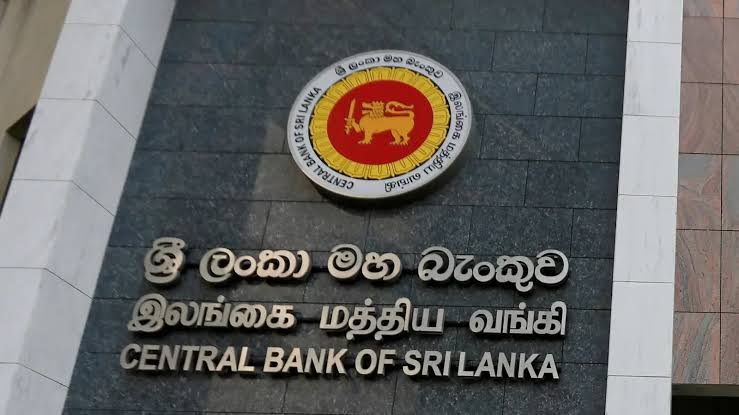
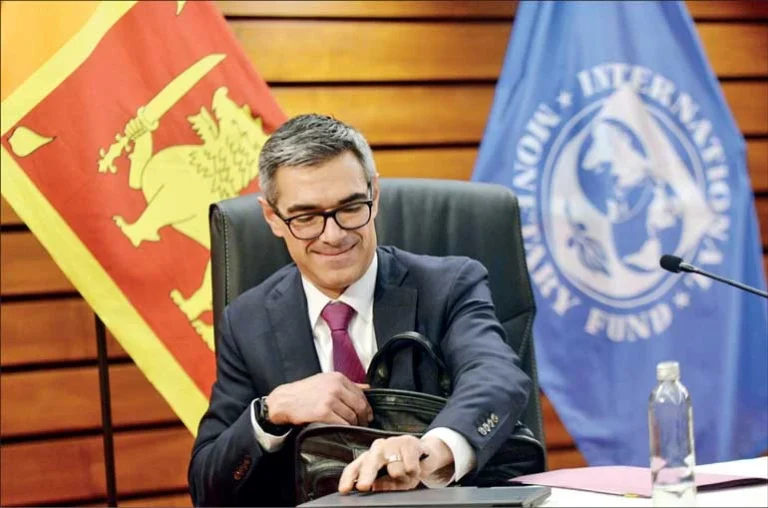
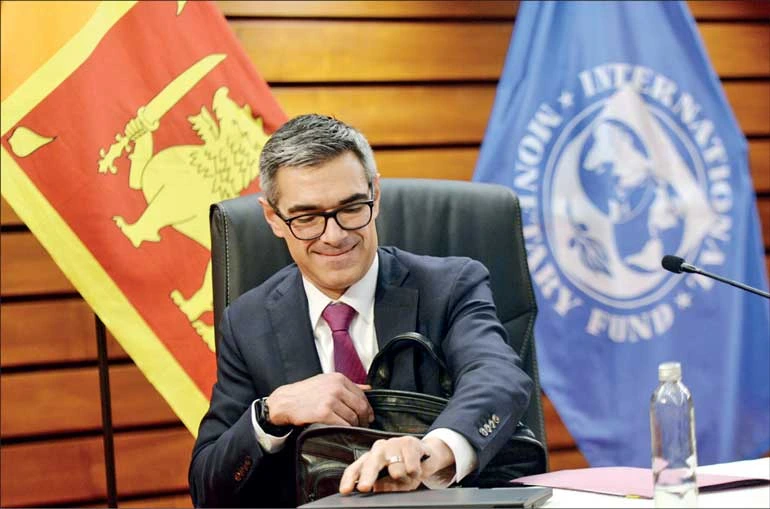
Earlier in the year, the Central Bank of Sri Lanka expected the economy to grow by around 4–5% in 2026, supported by improved macroeconomic stability, stronger reserves and continued reform progress. However, CBSL Governor Dr. Nandalal Weerasinghe has indicated that this outlook now faces greater uncertainty, mainly because of external shocks linked to the Middle East conflict and rising global oil prices.
International growth expectations are also more cautious. The World Bank has projected Sri Lanka’s growth at around 3.5% for 2026, while IMF-related expectations have been reported closer to 3.1%. This shows the gap between Sri Lanka’s domestic recovery momentum and the risks created by the global environment.
Also in Explained | Understanding the Impact of Inflation on Low-Income Families
The shifting growth landscape in 2026
Sri Lanka’s economy has been recovering after the severe crisis of 2022. Growth improved in 2024 and continued to show strong momentum in 2025, supported by tourism, remittances, services, construction and better overall business activity.
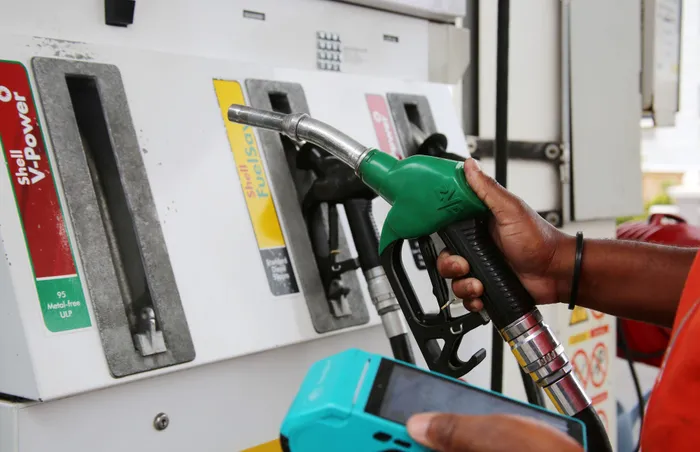
However, 2026 has brought a fresh set of challenges. The most important external pressure is the rise in global oil prices following heightened tensions in the Middle East. Since Sri Lanka imports most of its fuel requirements, higher oil prices directly increase the country’s import bill.
This creates pressure in several ways. It increases demand for US dollars, adds pressure on the rupee, widens the trade deficit and raises the cost of fuel, transport and other import-related goods. By mid-May 2026, the rupee had weakened by around 4.8% year-to-date, reflecting these external pressures.
Why this is different from the 2022 crisis
CBSL has made it clear that the current situation should not be seen as a repeat of the 2022 economic collapse. In 2022, the crisis was driven by domestic weaknesses, including depleted foreign reserves, unsustainable fiscal and monetary policies, heavy money printing and a severe loss of market confidence.
In 2026, the pressure is mainly coming from outside the country. Higher global oil prices, geopolitical instability and pressure on fuel-importing economies are affecting Sri Lanka along with several other countries in the region.
Sri Lanka is also in a stronger position than it was during the crisis period. Official reserves were around US$7 billion earlier in 2026, the IMF-supported reform programme remains in place, and progress has been made on debt restructuring. These factors give the country more capacity to absorb external shocks than it had in 2022.
However, these buffers are not unlimited. Higher oil prices, rising import demand and external debt-service needs can still place pressure on reserves and the balance of payments.
Expected foreign inflows as a buffer
Sri Lanka is expecting important foreign inflows in 2026 that could help support stability. Around US$700 million is expected through IMF-related funding, subject to approval processes, while nearly US$300 million is expected from the World Bank and Asian Development Bank.
Together, these inflows could provide close to US$1 billion in external support. This would help strengthen reserves, support the balance of payments and provide confidence to investors and international partners.
However, these inflows should be seen as a buffer, not a full solution. They can help Sri Lanka manage short-term pressure, but long-term stability still depends on export growth, fiscal discipline, stronger investment and reduced exposure to fuel import shocks.
Inflation and cost pressures
Inflation was relatively subdued earlier in the recovery, but price pressures have increased in 2026 due to higher energy costs and global supply-related pressures. A weaker rupee can make imports more expensive, especially fuel, transport, food inputs and industrial raw materials.
This means that even if the economy continues to grow, households and businesses may still feel pressure through higher costs. For businesses, fuel and transport costs can reduce margins. For households, higher energy-related prices can affect day-to-day living expenses.
CBSL’s challenge is to support economic recovery while keeping inflation expectations under control and protecting external stability.
Risks to the 2026 growth outlook
Several risks could affect Sri Lanka’s growth performance in 2026.
A prolonged period of high oil prices could widen the trade deficit and increase pressure on the rupee. A weaker global economy could reduce demand for Sri Lankan exports, especially apparel and manufactured goods. Any slowdown in tourism or remittances would also affect foreign exchange inflows.
Domestically, slower reform implementation, weak investment growth or political uncertainty could add further pressure. Sri Lanka’s recovery is still in a rebuilding phase, so policy consistency remains important.
The path to stronger growth
To protect growth in 2026 and beyond, Sri Lanka needs to reduce its exposure to external shocks. Energy security should be a major priority, especially through renewable energy, energy efficiency and reduced dependence on imported fuel.
The country also needs to strengthen exports, attract higher-quality foreign investment and improve productivity in agriculture, industry and services. Continued fiscal discipline is important, but it must be balanced with protection for vulnerable groups and investment in long-term growth sectors.
A more resilient economy cannot depend only on tourism, remittances and external funding. Sri Lanka needs broader export capacity, stronger domestic production and better external-sector planning.
Conclusion on Why CBSL Says the Economy Faces Uncertainty
Sri Lanka’s 2026 growth outlook is no longer as straightforward as it appeared at the start of the year. CBSL’s earlier expectation of around 4–5% growth now faces greater uncertainty due to higher oil prices, Middle East instability and pressure on the external sector.
However, this is not a repeat of the 2022 crisis. Sri Lanka enters this period with stronger reserves than during the crisis, an IMF-supported reform programme and progress on debt restructuring.
The challenge now is to protect the recovery while managing external shocks. If global conditions stabilise and reforms continue, Sri Lanka can still maintain solid growth in 2026. But if oil prices remain high and external pressures continue, the economy may grow below earlier expectations.
Also in Explained | Why Is the Sri Lankan Rupee Under Pressure in 2026? CBSL Governor Explains