
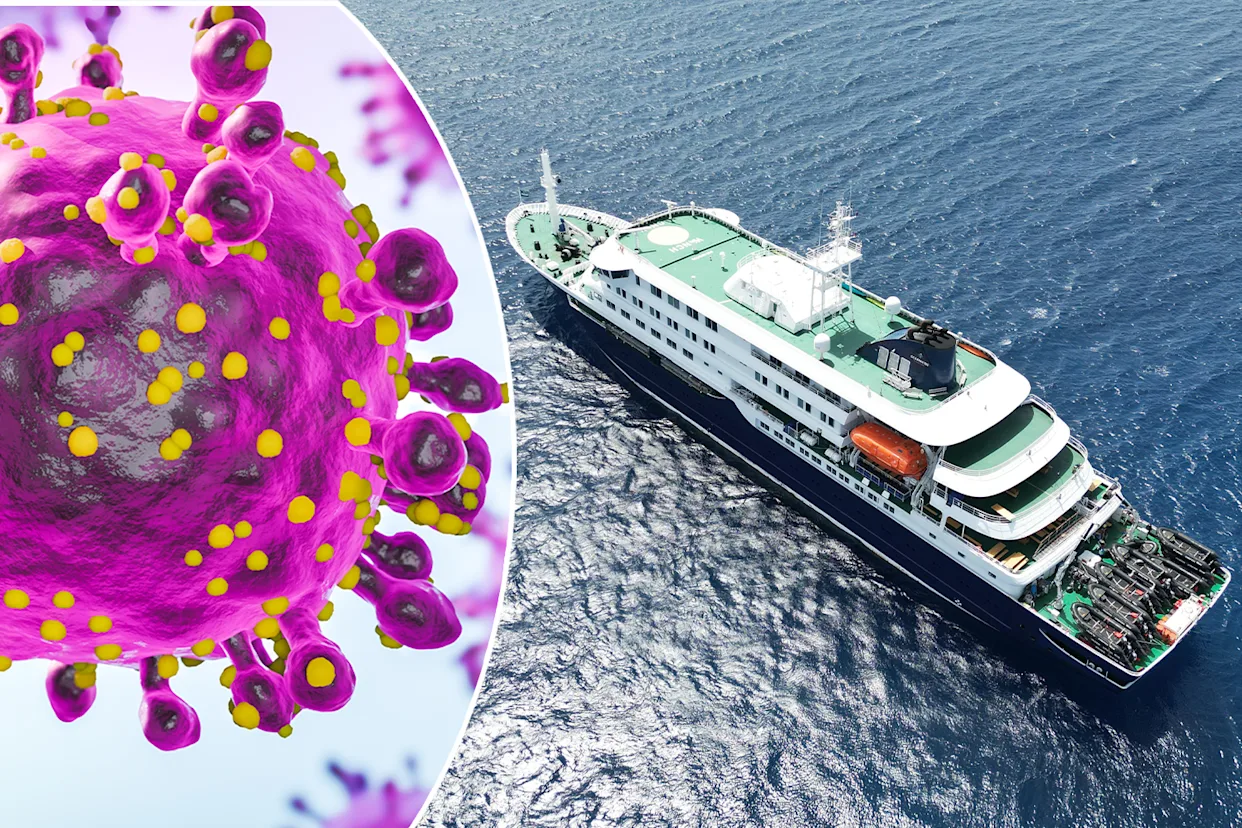
The World Health Organization (WHO) has confirmed a hantavirus outbreak linked to the MV Hondius cruise ship, with seven cases identified as of early May 2026, including two laboratory-confirmed infections and three deaths. One passenger who disembarked tested positive in Switzerland and is receiving medical care. The specific strain is Andes hantavirus, which is known for limited person-to-person transmission in close-contact settings. WHO is coordinating international contact tracing with affected countries to monitor exposed individuals and limit further spread.
This development has raised global attention, but health authorities emphasise that the current risk to the general public remains low. However, for Sri Lankans who travel internationally, work in tourism, or have family members planning cruises, understanding the facts is important.
What is Hantavirus and Why is This Strain Concerning?
Hantaviruses are a group of rodent-borne viruses that can cause serious diseases in humans. The Andes virus variant involved here is one of the few hantaviruses with documented (though still relatively rare) human-to-human transmission, typically through close and prolonged contact with an infected person’s respiratory secretions.
Symptoms usually appear 1–8 weeks after exposure and can range from flu-like illness (fever, muscle aches, headache) to severe forms such as Hantavirus Pulmonary Syndrome (HPS), which causes breathing difficulties and can be life-threatening if not treated promptly. Early medical care significantly improves outcomes.
Unlike many common respiratory viruses, hantavirus is not easily spread through casual contact or short interactions. The primary route remains exposure to infected rodents or their droppings, urine, or saliva. Onboard a cruise ship, crowded living quarters and shared facilities can facilitate limited secondary transmission if an infected individual is present.
Current Situation and Sri Lanka’s Risk Level
As of early May 2026, the outbreak is contained to passengers and crew linked to the specific voyage. Sri Lanka has not reported any connected cases. However, because many Sri Lankans work in the global maritime and tourism sectors, and international travel is increasing, awareness is essential.
The WHO is working with relevant countries under the International Health Regulations (IHR) to track contacts, provide information, and monitor for symptoms. This structured international response helps prevent wider spread.
How to Protect Yourself and Your Family from Hantavirus Outbreak
While the overall risk remains low, simple precautions can further reduce it, especially for travellers:
- Avoid contact with rodents and their droppings, especially in rural or storage areas.
- When travelling, maintain good hand hygiene and avoid close contact with anyone showing respiratory illness if possible.
- If you have recently been on a cruise or travelled to affected areas and develop fever, muscle aches, shortness of breath, or other concerning symptoms, seek medical attention promptly and inform your doctor about your travel history.
- Cruise operators and travellers should follow all health advisories issued by authorities.
Sri Lanka’s Ministry of Health and port health authorities are monitoring the situation and are well-equipped to handle imported cases, as demonstrated during previous international health events.
The Bigger Picture: Why This Matters
This incident highlights how interconnected global travel makes disease surveillance critical. Cruise ships, with their international passengers and crew, can act as amplifiers for certain infections if not managed carefully. The rapid international response by WHO and partner laboratories shows the strength of existing health security systems.
For Sri Lanka, this is also a reminder of the importance of maintaining strong public health infrastructure, rapid diagnostic capacity, and clear communication during potential outbreaks. Our country’s experience with previous health challenges has built resilience, but continued investment in surveillance and preparedness remains vital.
Stay Informed, Stay Calm
Health authorities worldwide, including WHO, stress that this is a contained event with low risk to the general public. Panic is unhelpful; informed awareness and responsible behaviour are key.
Sri Lankans planning international travel should check official advisories from the Ministry of Health and the WHO before departure. If you develop symptoms after travel, especially after a cruise, seek medical care early and mention your travel history.
The hantavirus event on the MV Hondius is a serious but manageable situation thanks to swift detection and coordinated international efforts. By staying informed and following basic precautions, we can protect ourselves and contribute to containing any potential spread.
Your health and safety matter. Reliable information and calm action are our best tools in any health situation.
Also in Explained | Nipah Virus Outbreak in India Early 2026: Staying Vigilant for Public Safety in Sri Lanka