
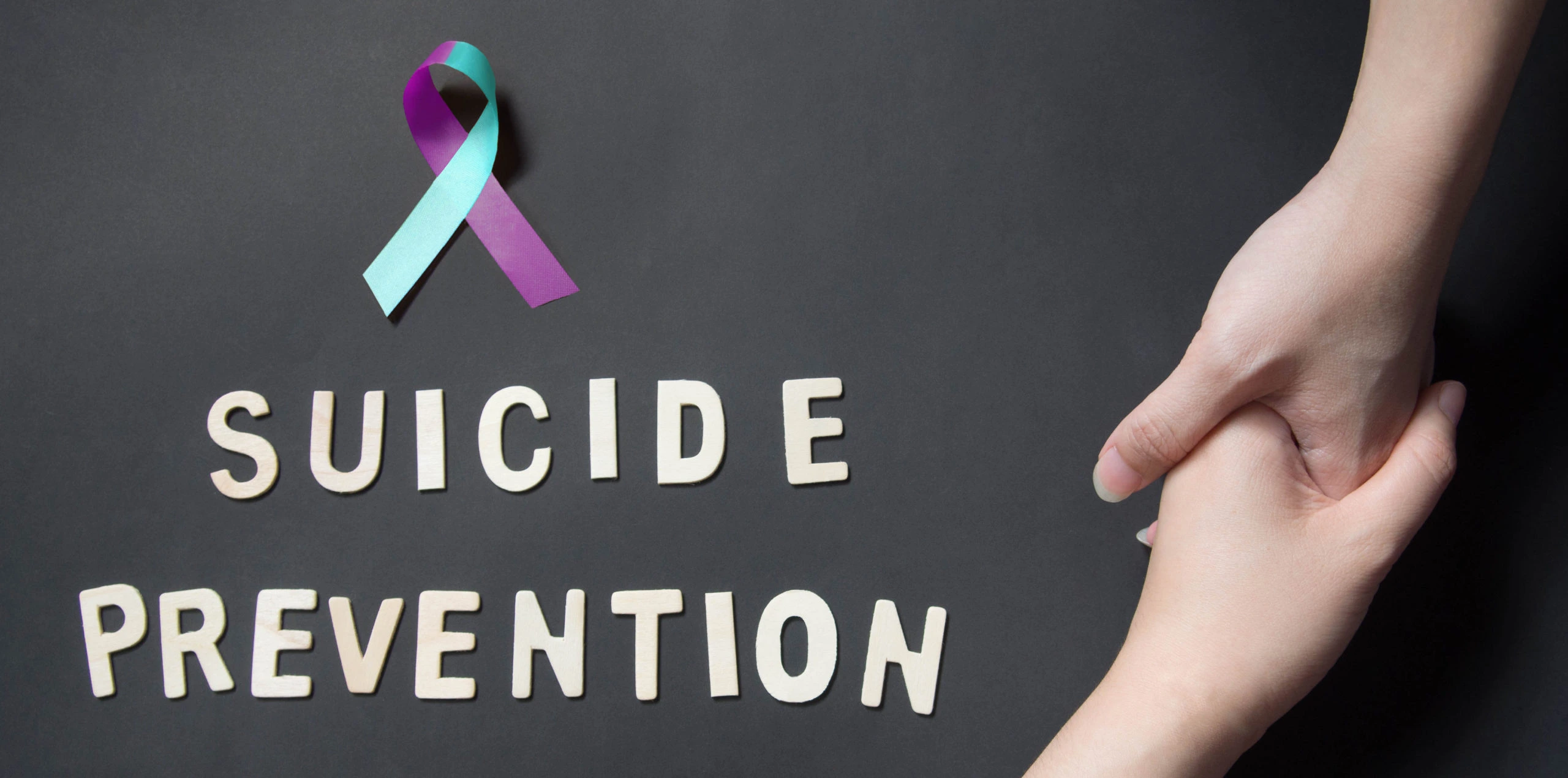
Why we need a campaign to protect mental health in Sri Lanka? Sri Lanka continues to face significant mental health challenges. Economic pressures, social changes, and the rapid spread of information on digital platforms have created new risks alongside opportunities for support. In recent weeks, the Sri Lanka Medical Association (SLMA), through its Expert Committee for Suicide Prevention, has released clear public awareness messages urging citizens to think carefully before sharing sensitive content online.
Two recent SLMA messages capture the core message: one asks users to apply five simple checks before sharing posts, while the other promotes the 1926 National Mental Health Helpline as a 24×7 resource for anyone in distress. These initiatives address a real public safety concern, the potential harm caused when graphic images or videos of suicide circulate on social media.
This public affairs analysis examines why responsible sharing matters, how these SLMA campaigns connect to broader mental health goals, and what practical steps can help protect ordinary citizens.
Also in Explained | Negative Self-Talk Can Make You Sick – The Science Behind Self-Talk and Health
The SLMA’s “Think Before You Share” Campaign
The SLMA’s recent campaign features five straightforward questions for social media users:
- Is it true?
- Is it kind?
- Is it private?
- Is it necessary?
- Is it timely?
These guidelines are not abstract. They directly respond to situations where videos or images showing someone in severe distress or ending their life spread quickly across platforms. Health experts, including the SLMA’s Expert Committee for Suicide Prevention, warn that such content is not mental health awareness. Instead, it can normalise harmful behaviour and increase the risk of copycat incidents, particularly among vulnerable individuals.
The campaign encourages a simple pause before sharing. This approach aligns with global best practices recommended by the World Health Organization on responsible reporting of suicide. By translating these principles into easy-to-remember questions, the SLMA is helping ordinary citizens become part of the solution rather than unintentionally contributing to harm.
The 1926 National Mental Health Helpline: A Practical Lifeline
Alongside the sharing guidelines, the SLMA is actively promoting the 1926 National Mental Health Helpline. This service, operated by the National Institute of Mental Health, is available 24 hours a day, seven days a week. It offers confidential support for people experiencing distress, suicidal thoughts, or emotional crises.
For ordinary citizens, this helpline represents a concrete, accessible resource. Many people in distress may not know where to turn. Clear promotion of 1926 through posters, social media, and community channels helps bridge that gap. When combined with messages about responsible sharing, it creates a balanced approach: prevent harm from spreading online while directing people toward real help.
Why Responsible Sharing Matters: The Evidence on Contagion
Public health research has long shown that media portrayals of suicide can influence behaviour, a phenomenon known as the Werther effect or contagion effect. When graphic details are shared without context or support resources, vulnerable individuals especially young people may be more likely to consider similar actions.
In Sri Lanka’s context, where suicide rates remain elevated at approximately 14–15 per 100,000 population, this risk is particularly relevant. Studies and international evidence indicate that responsible handling of suicide-related content in media and online spaces can contribute to lower rates during sensitive periods. Conversely, sensational or graphic sharing can have the opposite effect.
The SLMA’s campaign therefore serves both an immediate protective function and a longer-term educational one. It helps shift public behaviour from reactive sharing to thoughtful consideration.
Current Challenges in Sri Lanka’s Digital Mental Health Space
Despite growing awareness, challenges persist. Graphic content still appears on social platforms. Digital literacy varies across different age groups and regions. Many people may share content with good intentions believing they are raising awareness, without realising the potential harm.
At the same time, Sri Lanka has made progress. The 1926 helpline exists and is actively promoted. Professional bodies like the SLMA are providing clear, practical guidance. These are important foundations. However, turning awareness into consistent behaviour across millions of social media users requires sustained effort from multiple stakeholders.
Also in Explained | How Can Sri Lanka Improve Its Mental Health Services Amidst Rising Pressures?
Practical Steps for Citizens and Institutions
Individual citizens can play a meaningful role by applying the SLMA’s five questions before sharing any sensitive content. When in doubt, it is better not to share graphic material and instead direct people toward the 1926 helpline or other support resources.
Institutions and platforms also have responsibilities. Media organisations can follow responsible reporting guidelines. Social media platforms can improve detection and removal of harmful content while prominently displaying helpline information. Schools and workplaces can incorporate digital responsibility education into existing programmes.
Government agencies, the Ministry of Health, and civil society organisations can work together to amplify messages like those from the SLMA and ensure helplines have adequate capacity to respond.
A Forward-Looking Approach
Sri Lanka’s mental health landscape benefits when professional bodies, citizens, platforms, and policymakers align around shared goals. The SLMA’s recent campaigns demonstrate how clear, simple messaging can address complex issues. Scaling these efforts through schools, community programmes, and digital literacy initiatives can help create a culture where support is more visible than harm.
Responsible social media use is not about restricting freedom of expression. It is about exercising that freedom with awareness of its impact on others, particularly those who may be struggling in silence.
Conclusion – A Campaign to Protect Mental Health in Sri Lanka
The Sri Lanka Medical Association’s “Think Before You Share” campaign and promotion of the 1926 National Mental Health Helpline represent practical and timely public affairs interventions. In a country still navigating mental health challenges, individual choices about what to share online can have real consequences for others.
By encouraging thoughtful digital behaviour and directing people toward professional support, these initiatives help protect vulnerable citizens while strengthening overall community resilience. When citizens, institutions, and platforms work together, digital spaces can become safer environments that support mental wellbeing rather than unintentionally adding to distress.
The message is clear and actionable: pause, reflect, and choose responsibly. Small individual actions, supported by strong institutional leadership, can make a meaningful difference in Sri Lanka’s mental health journey.
This analysis is for educational and public affairs purposes only and is not intended as medical or crisis advice. If you or someone you know is in distress, please contact the 1926 National Mental Health Helpline or seek professional support immediately.