
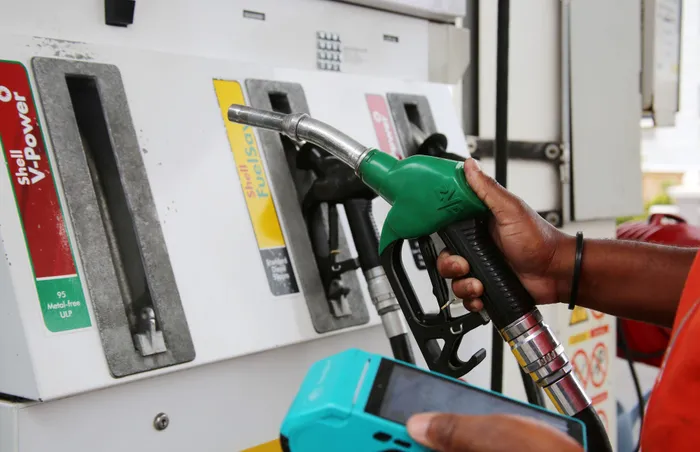
Fuel Prices Surge Again in Sri Lanka – Sri Lanka’s consumers woke up to yet another fuel price increase as the Ceylon Petroleum Corporation (Ceypetco) announced revisions effective from midnight on 2 May 2026. Auto Diesel rose by Rs. 10 to Rs. 392 per litre, Super Diesel increased by Rs. 15 to Rs. 458 per litre, Petrol 92 Octane went up by Rs. 12 to Rs. 410 per litre, Petrol 95 Octane increased by Rs. 15 to Rs. 470 per litre, and Kerosene rose by Rs. 10 to Rs. 265 per litre.
This latest adjustment marks the second significant fuel price hike in recent months, intensifying pressure on an already strained cost of living. While global oil market movements and the need to maintain Ceylon Petroleum Corporation’s financial sustainability are cited as primary reasons, the immediate impact falls heavily on households, businesses, and the broader economy. The surge comes at a time when many families are still recovering from previous economic shocks, making this development particularly challenging.
Also in Explained | Sri Lanka Fuel Crisis 2026: Why Malaysia Stays Stable While We Negotiate Abroad
The Scale of the Latest Fuel Price Revision
The revisions reflect ongoing adjustments to align domestic prices with international crude oil costs and the corporation’s operational requirements. Petrol and diesel, which power the majority of private and public transport, saw notable increases. The jump in both grades of petrol will directly affect daily commuters, while higher diesel prices will ripple through the transport and logistics sectors, inevitably pushing up the cost of goods and services.
Kerosene, still widely used for cooking in rural and low-income households, also became more expensive. This compounds the burden on the most vulnerable segments of society, where energy costs already consume a significant portion of monthly income.
Impact on Households and the Cost of Living
For average Sri Lankan families, fuel is not a discretionary expense, it is a core component of daily survival. Higher transport costs mean increased expenses for commuting to work, school, and markets. Bus fares and three-wheeler charges are expected to rise in the coming days, further squeezing household budgets.
Low- and middle-income families, who allocate a large share of their earnings to food, transport, and utilities, will feel the pinch most acutely. Many are already operating with thin margins after years of elevated inflation. The latest hike risks pushing more households toward difficult trade-offs: reducing nutritious food intake, delaying medical care, or cutting back on children’s education expenses.
Rural communities and the estate sector, where livelihoods often depend on transporting produce to markets, face additional challenges. Small businesses and farmers will see rising costs for transportation, potentially leading to higher prices for essential goods in the coming weeks.
Ripple Effects on the Economy and Businesses
The transport sector, which accounts for the largest share of petroleum consumption in Sri Lanka, will bear significant pressure. Private bus operators, already vocal about operational costs, may seek fare revisions, while logistics companies will pass on higher expenses to consumers.
This creates a broader inflationary spiral. Food prices, which remain sensitive to transport costs, could climb again, undermining recent gains in stabilising the overall inflation rate. Tourism, a key foreign exchange earner, may also face indirect impacts through higher ground transportation costs.
On the macroeconomic front, while the government continues fiscal consolidation efforts, repeated fuel price adjustments highlight the country’s continued vulnerability to global oil price volatility and the challenges of maintaining energy subsidies without straining public finances.
Why Fuel Prices Surge Again in Sri Lanka: Underlying Factors
Several interconnected reasons drive these periodic increases:
- Global Crude Oil Trends: International oil prices remain sensitive to geopolitical developments, supply disruptions, and demand fluctuations.
- Exchange Rate Pressures: Any depreciation of the Sri Lankan Rupee increases the cost of imported fuel.
- Ceypetco Financial Sustainability: The corporation must cover operational costs and reduce accumulated losses to avoid burdening the national budget.
- Removal of Subsidies: As part of broader economic reforms, Sri Lanka has moved toward market-aligned pricing to ensure long-term fiscal stability.
While these measures support macroeconomic recovery, they create short-term pain for citizens still grappling with the aftermath of the 2022 economic crisis.
Coping Strategies for Families and Businesses
In the face of rising fuel costs, practical steps can help mitigate the impact:
- For Households: Track and optimise travel, carpool when possible, use public transport more efficiently, and adopt energy-saving habits at home. Home gardening and bulk purchasing of essentials can also reduce overall expenses.
- For Businesses: Explore route optimisation, fleet efficiency improvements, and gradual adoption of hybrid or electric vehicles where feasible.
- Government Role: Targeted relief measures, such as enhanced welfare support for low-income groups, subsidies on essential items, and acceleration of public transport modernisation (including electric buses), could cushion the blow.
The Need for Long-Term Solutions
Repeated fuel price hikes underscore the urgency of reducing Sri Lanka’s heavy dependence on imported fossil fuels. Key priorities should include:
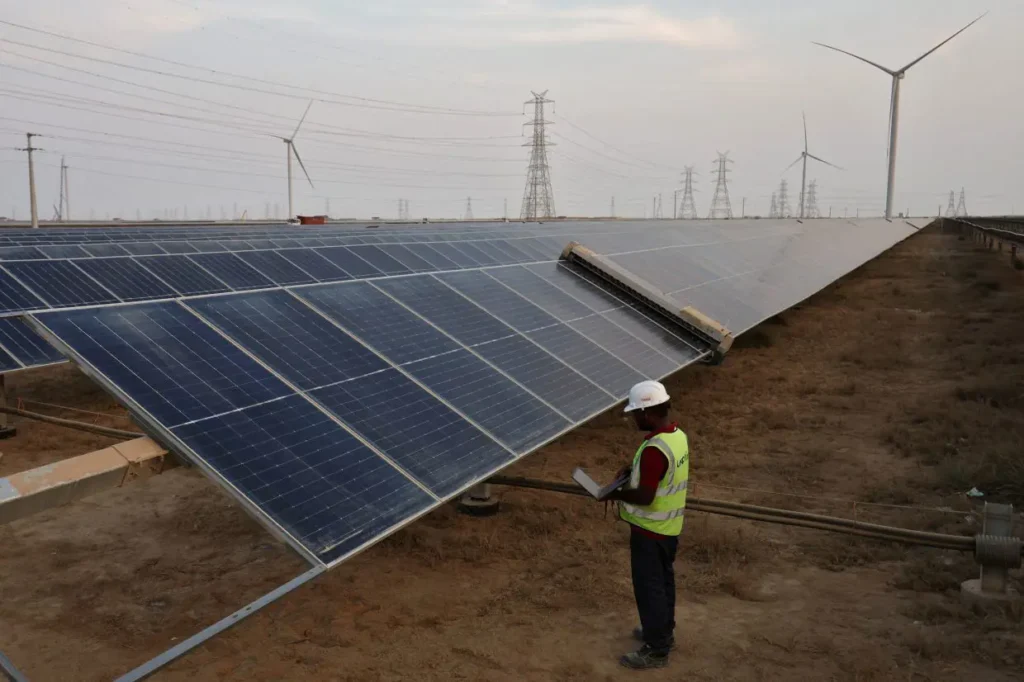
- Accelerating the transition to renewable energy and electric mobility
- Expanding the low-floor and electric bus fleet for public transport
- Investing in domestic energy sources and energy efficiency
- Strengthening strategic fuel reserves and hedging mechanisms
Sustainable urban planning and improved public transport infrastructure can reduce overall fuel demand while enhancing quality of life.
Conclusion
The latest fuel price surge by Ceylon Petroleum Corporation serves as another reminder of the fragile balance between economic stabilisation and the daily realities faced by Sri Lankan citizens. With Petrol 92 Octane now at Rs. 410, Diesel at Rs. 392–458, and Kerosene at Rs. 265 per litre, the cost-of-living pressure has intensified once again.
While these adjustments may be necessary for fiscal sustainability, their cumulative effect on low- and middle-income families cannot be ignored. As Sri Lanka continues its recovery journey, balancing macroeconomic discipline with meaningful relief for citizens remains critical.
Moving forward, a dual focus on short-term support measures and long-term energy transition will be essential. By investing in sustainable transport, renewable energy, and targeted social protection, Sri Lanka can build greater resilience against global price shocks and ensure that economic progress benefits all segments of society. Until then, families and businesses must navigate these challenges with careful budgeting and adaptive strategies.
The road ahead requires both fiscal prudence and genuine empathy for the everyday struggles of ordinary Sri Lankans.
Also in Explained | Why Does Sri Lanka Talk More About Recovery Than Productivity?