
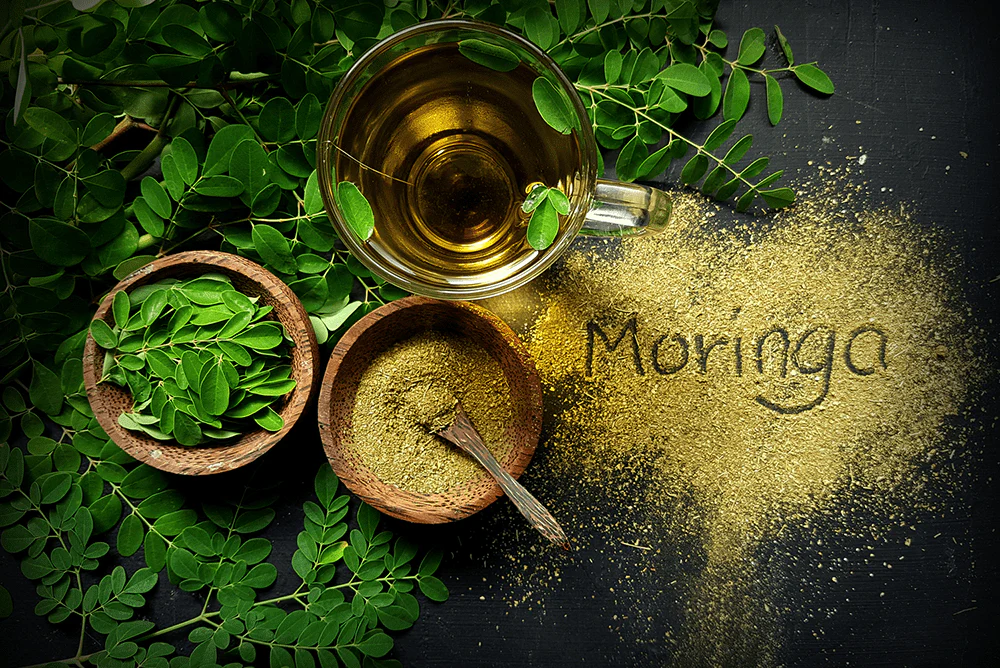
Moringa oleifera, widely known as Murunga in Sri Lanka and Sajjan or Drumstick tree in India, has been a cornerstone of traditional diets and healing practices in both countries for centuries. This fast-growing “Miracle Tree” thrives in tropical climates and has long been celebrated across South Asia for its exceptional nutritional value and medicinal properties.
In Sri Lanka, Moringa is deeply woven into everyday cuisine and Ayurvedic traditions. Tender murunga leaves are a staple in coconut mallum, while the long green pods (drumsticks) feature prominently in curries, often paired with dhal or fish. The flowers are used in sambols, and the seeds have traditional applications in health remedies. Similarly, in India, Moringa leaves, pods, and seeds are integral to regional cuisines from South Indian sambar and poriyal to North Indian dals and pickles and feature extensively in Ayurvedic and Siddha medicine.
This shared cultural heritage across India and Sri Lanka reflects generations of accumulated knowledge about the plant’s ability to combat malnutrition and support overall wellness in tropical environments.
Also in Explained | Microplastics Inside Us: Professor Ragusa’s Urgent Warning on the Invisible Threat Already Altering Human Health
Nutritional Powerhouse and Traditional Benefits
Moringa is one of nature’s most nutrient-dense plants. The leaves are exceptionally rich in vitamin A, vitamin C, calcium, iron, potassium, protein, and powerful antioxidants. Traditionally, both Sri Lankan and Indian communities have used it to:
- Boost immunity and energy levels
- Support digestion and reduce inflammation
- Aid lactating mothers and combat malnutrition
- Help manage blood sugar levels
Its resilience and rapid growth make it an ideal crop for home gardens and small-scale farming, providing year-round nutrition with minimal resources.
Recent Research on Moringa Seeds
While leaves and pods have dominated traditional use, scientific interest in Moringa seeds has surged in recent years. Modern research is validating many ancestral applications and uncovering new benefits:
- Powerful Antioxidant and Anti-inflammatory Properties: Seed extracts show strong potential in reducing oxidative stress and inflammation.
- Metabolic Health Support: Studies suggest Moringa seed compounds may help regulate blood glucose and improve lipid profiles, offering promise for diabetes and metabolic syndrome management.
- Water Purification Breakthrough: One of the most exciting 2025–2026 findings highlights that Moringa seed powder can remove up to 98.5% of microplastics from contaminated water. The natural seed proteins act as effective coagulants, offering a sustainable, chemical-free alternative for water treatment — reviving and enhancing traditional purification methods used in rural parts of Sri Lanka and India for generations.
- Additional Benefits: Research points to liver-protective, antimicrobial, and potential anti-cancer properties in seed derivatives. Moringa seed oil is also gaining popularity in natural skincare for its moisturising and anti-ageing qualities.
These developments position Moringa seeds as a valuable resource for both health and environmental applications.
Sri Lanka’s Opportunity in the Moringa Renaissance
As Sri Lanka and India face rising lifestyle diseases, climate challenges, and food security concerns, Moringa offers a locally abundant, low-cost solution. In Sri Lanka, promoting wider cultivation especially in rural and dry-zone areas could enhance nutrition, create farmer income, and support sustainable development.
To maximise benefits, experts recommend:
- Expanding home and commercial cultivation
- Developing value-added products (powders, teas, seed oil)
- Conducting more localised clinical research
- Integrating Moringa into school nutrition and public health programmes
While generally safe as a food, concentrated extracts should be consumed cautiously, especially by pregnant women or individuals on medication. Consulting healthcare professionals for therapeutic use is advised.
Conclusion
Moringa’s fame across Sri Lanka and India is well-deserved. For centuries, it has quietly supported health and nutrition in South Asian households. Today, with growing scientific validation particularly around the seeds this humble tree is stepping into the global spotlight as a true superfood.
By honouring its traditional wisdom while embracing modern research, Sri Lanka can leverage Moringa not only for better public health but also for economic and environmental gains. From backyard gardens to commercial farms, the “Miracle Tree” continues to offer practical solutions to contemporary challenges proving once again that some of the best remedies have been growing around us all along.
Also in Explained | How Are Sri Lanka Education Sector Ratios Changing After the 2024 Census?