
Is the Rush Towards Alternative Mobility a Real Solution or Just a Crisis Reaction? Sri Lanka’s transport landscape shifts rapidly whenever fuel availability tightens or prices surge. Public behaviour changes almost overnight queues at petrol stations give way to heightened interest in electric vehicles, hybrids, and other lower-fuel options. These visible responses dominate conversations and purchasing decisions. Yet the deeper question remains: does this accelerated move toward alternative mobility represent a genuine, durable solution for energy transition and sustainable transport, or is it primarily a short-term reaction to immediate fuel fears? Crisis-driven shifts can reduce short-term oil dependence; true long-term stability requires robust infrastructure, policy coherence, and systemic integration that outlast the next price spike.
The distinction matters. A sudden pivot to electric or hybrid options may ease immediate pain at the pump, but without matching investments in charging networks, grid capacity, and battery management, the gains risk proving temporary. Sri Lanka’s recent experience highlights this tension clearly.
Also in Explained | Why Does Sri Lanka Talk More About Recovery Than Productivity?
The Allure of Alternative Mobility Shifts in Sri Lanka’s Discourse
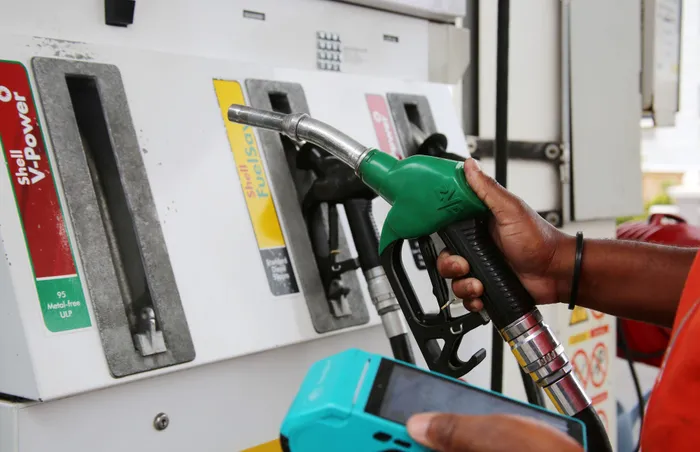
National dialogue celebrates every sign of reduced fuel vulnerability. After the severe 2022 shortages, and again in early 2026 amid renewed global oil market disruptions, media and public attention turn quickly to electric vehicles and hybrids as practical escapes from queues and price volatility. In March 2026, fuel prices rose sharply for the second time in a week petrol 92 octane climbed to LKR 398 per litre and diesel to LKR 382 per litre triggering fresh rationing via QR codes and warnings of widespread bus service withdrawals. In this environment, reports of surging EV imports and user interest feel like progress.
These narratives are powerful. They reassure citizens facing higher living costs, signal a move away from imported fossil fuels, and align with broader aspirations for cleaner air and lower transport expenses. Yet they often measure immediate behavioural responses and import volumes rather than the underlying readiness of the transport system. An economy can applaud falling petrol-station lines while the electricity grid strains under new demands and long-term sustainability questions remain unresolved.
Understanding Alternative Mobility: The Foundation of Sustainable Energy Transition
Alternative mobility encompasses electric vehicles, hybrids, improved public transport, and non-motorised options that reduce reliance on traditional fossil fuels. It forms a core pillar of energy transition shifting transport energy sources toward electricity generated increasingly from renewables, thereby cutting oil imports, emissions, and exposure to global price shocks.
In a truly sustainable transport system, adoption is supported by adequate charging infrastructure, a resilient national grid, effective battery recycling, and policies that integrate mobility with electricity planning. Without these foundations, shifts remain reactive: convenient during crises but vulnerable to new bottlenecks such as power shortages or supply-chain disruptions. Long-term stability depends on moving beyond crisis responses to planned, system-wide integration that delivers reliable, affordable, and low-carbon mobility regardless of external fuel shocks.
Sri Lanka’s Mobility Shift: Rapid Uptake but Incomplete Infrastructure
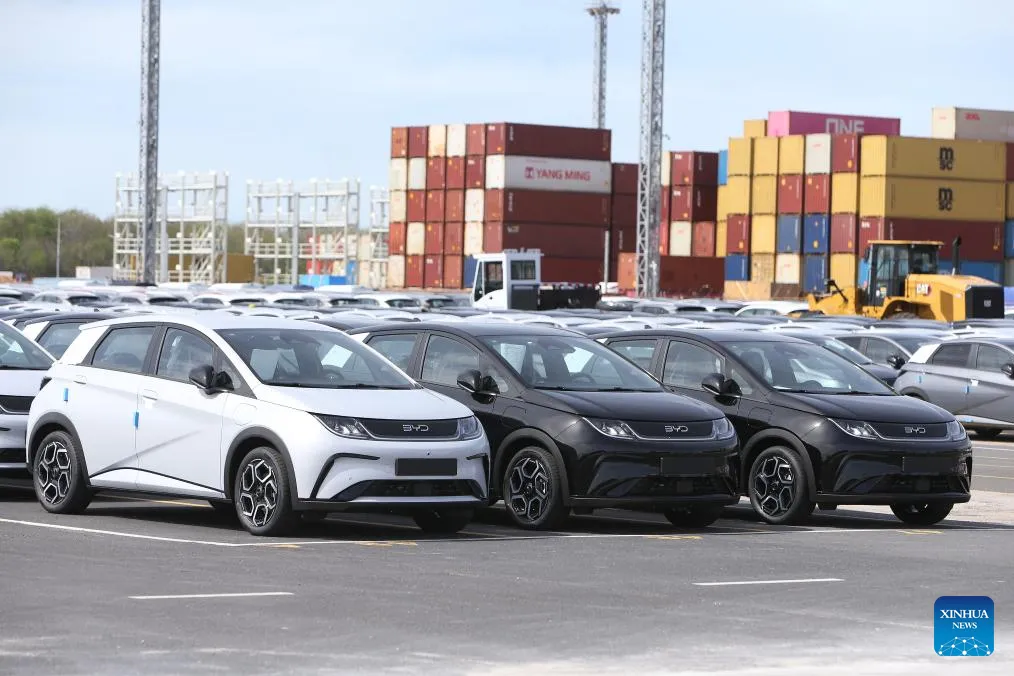
Official data confirm the scale of the recent acceleration. In 2025, following the easing of import restrictions, electric vehicles captured 10 percent of total passenger car and SUV imports 6,439 fully electric units out of 64,556 vehicles. Hybrids accounted for a further 29 percent. This marked a notable rebound from earlier restrictions and reflected growing consumer interest in lower operating costs amid recurring fuel concerns.
By March 2026, the pattern continued. Heightened fuel prices and rationing once again boosted demand for alternatives, with President Anura Kumara Dissanayake publicly urging EV owners to charge vehicles during daytime hours to ease nighttime grid pressure. The Ceylon Electricity Board has incorporated projected EV demand into its long-term generation plans, yet charging infrastructure remains limited, with plans to triple stations and develop highway corridors still in early stages.
Growth has been driven largely by cost-competitive imports rather than comprehensive incentives. While this has delivered short-term relief for many users fewer fuel queues and lower running costs critical supporting systems lag. Real progress in sustainable transport requires more than vehicle registrations; it demands matching electricity supply, smart charging, and end-of-life battery management.
The Sustainability Gap: Evidence from Adoption Trends and Systemic Challenges
Available indicators reveal a clear gap between rapid uptake and long-term readiness. While EV and hybrid registrations climbed steadily in 2025, the national electricity grid faces new strains. Nighttime charging has added approximately 300 megawatts of demand in recent months, prompting official appeals for daytime use. The grid’s capacity to absorb widespread electrification without upgrades remains a concern, especially during peak periods or when renewable generation fluctuates.
Sectoral imbalances reinforce the challenge. Transport still accounts for the bulk of petroleum product consumption. While alternative mobility options reduce this dependence, the electricity used for charging must increasingly come from renewable sources to deliver genuine environmental and economic benefits. Battery recycling infrastructure is underdeveloped, with no formal national system despite growing numbers of vehicles using lithium-iron batteries.
Policy settings also show room for improvement. Sri Lanka lacks a fully integrated National Electric Mobility Policy, leaving the transition largely demand-led rather than guided by coordinated planning for infrastructure, standards, and incentives. Recent customs amendments have addressed new vehicle categories such as series hybrids, yet broader regulatory clarity on grid integration and public charging remains limited. These gaps mean that while short-term behavioural shifts are evident, the foundations for enduring energy transition are still being built.
Why Crisis-Driven Shifts Dominate Behaviour: Economic and Practical Realities
Several factors explain why public responses to fuel concerns tend to favour quick moves toward alternative mobility. First, immediate pain at the pump is highly visible price hikes and rationing create urgent incentives to seek lower-fuel or fuel-free options. Second, economic calculations favour alternatives during volatility: lower operating costs and freedom from queues make EVs and hybrids attractive even without heavy subsidies.
Third, global supply dynamics play a role. Affordable imported electric models have become more accessible, accelerating adoption when local fuel prices rise. Political and media narratives naturally highlight these consumer-level successes after periods of hardship. Yet this focus, while understandable, risks overlooking the need for parallel investments that turn temporary relief into permanent system resilience.
Risks of a Crisis-Reaction Mindset for Long-Term Transport Stability
Over-reliance on crisis-triggered shifts carries measurable risks. Without scaled infrastructure, accelerated EV adoption could strain the electricity system, leading to localised outages or higher costs passed on to consumers. Fuel import dependence may decrease, but new vulnerabilities such as reliance on imported batteries or critical minerals could emerge.
Poverty and equity concerns also arise. While some segments benefit from lower running costs, others may face barriers to entry or higher electricity bills. Public transport modernisation could lag if private EV uptake draws policy attention away from broader mobility needs. In short, a purely reactive approach risks delivering partial gains that fail to withstand the next external shock or internal capacity limit.
A Forward-Looking Approach: Building Durable Solutions for Energy Transition
Achieving genuine sustainable transport requires deliberate steps beyond crisis responses. First, accelerate development of charging infrastructure and smart-grid technologies to match growing EV numbers. Daytime charging incentives and highway corridors represent positive starts that should be expanded.
Second, integrate mobility planning with electricity generation. Update long-term generation plans to ensure renewable capacity keeps pace with transport electrification. Promote energy efficiency and demand-response measures so that EVs become assets rather than burdens on the grid.
Third, establish a comprehensive National Electric Mobility Policy. This framework should address incentives, standards, battery lifecycle management, and public-private partnerships. Fiscal measures can support the shift by prioritising growth-enhancing investments in infrastructure over short-term relief alone.
International experience demonstrates that countries combining crisis momentum with forward planning achieve more resilient outcomes. Sri Lanka’s strategic location, existing renewable potential, and growing consumer interest provide a strong base for such a transition.
Conclusion
Sri Lanka has witnessed clear behavioural shifts toward alternative mobility whenever fuel fears intensify most recently in March 2026 amid sharp price increases and rationing. These responses offer immediate relief and signal public appetite for change. Yet the national conversation must evolve beyond celebrating reduced queues at petrol stations. Long-term energy transition and sustainable transport stability depend less on reactive surges and more on building the infrastructure, policies, and grid resilience that make alternative options reliable year-round.
Alternative mobility holds genuine potential to strengthen energy security and lower emissions, but only if supported by coordinated investment and planning. By treating current momentum as a foundation rather than a temporary fix, Sri Lanka can move from crisis reaction to a genuinely durable transport system. The window for embedding these durable solutions remains open and the ongoing fuel pressures make the case for action even more compelling.
Also in Explained | Tourism Weakness Is More Than a Travel Problem: What It Means for Sri Lanka’s Economy