
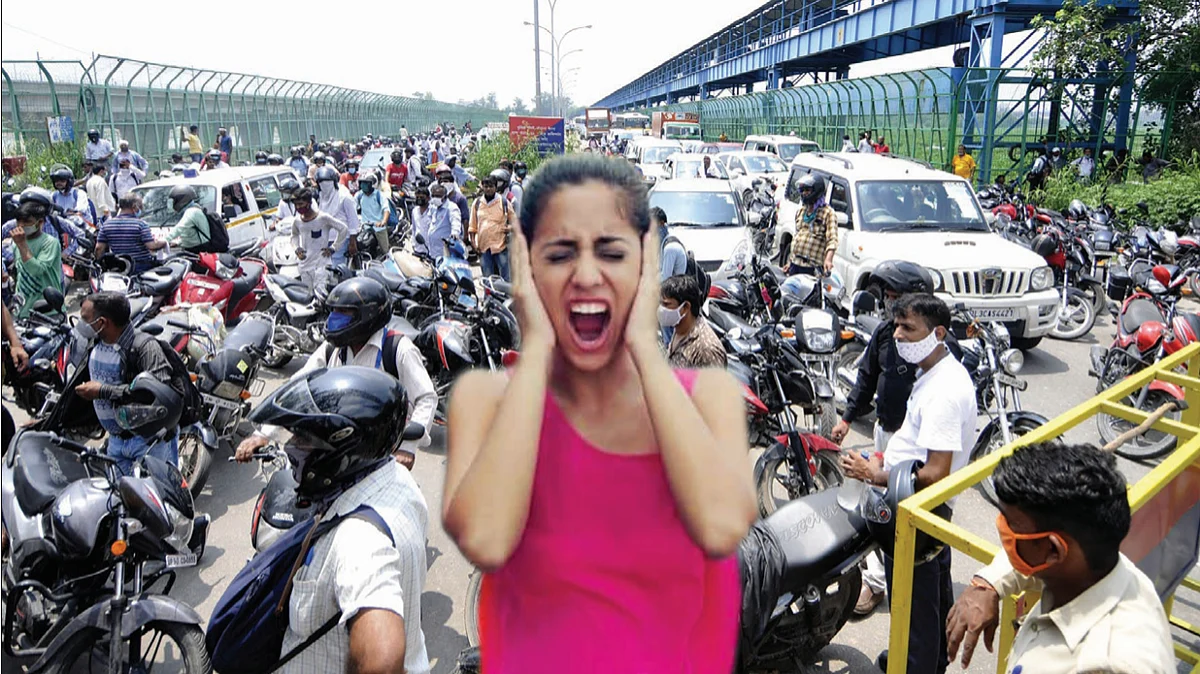
Do you also have these daily reality of noise pollution experiences? Every day, millions of Sri Lankans endure a constant assault on their ears and nerves while commuting. The moment traffic slows even slightly, the chorus begins sharp, impatient blasts from cars, aggressive honking from tuk-tuks, and roaring engines from buses and lorries. Even when traffic police are physically present directing vehicles and clearing junctions, many drivers seem incapable of waiting a few seconds. The noise pollution has become so normalised that many barely notice it anymore, yet its cumulative effect on mental health, concentration, and quality of life is profound.
This is not merely an inconvenience. It is a serious public health and civic issue that reveals a deeper problem: a widespread lack of basic road discipline and civic responsibility. While infrastructure improvements and better enforcement are necessary, Sri Lankans must also confront the uncomfortable truth many of our daily road miseries stem from our own collective behaviour.
Also in Explained | Sri Lanka’s Water Crisis – How the Lack of Resources Is Impacting Daily Life
The Daily Reality of Noise Pollution on Sri Lankan Roads
For the average commuter in Colombo, Kandy, Galle, or any major town, the journey to work or school has become an exhausting sensory ordeal. Horns blare incessantly not only in genuine emergencies, but at the slightest delay. A red light turning green triggers an immediate barrage. A bus stopping to pick up passengers invites a symphony of frustration from vehicles behind. Even when traffic police are actively managing a junction, some drivers lean on their horns as if the officer is invisible.
Tuk-tuks are often the worst offenders, with their high-pitched, piercing horns cutting through traffic from mere inches away. For pedestrians, motorcyclists, and those in smaller vehicles, the noise is not just annoying, it is physically stressful. Studies from around the world show that prolonged exposure to traffic noise increases risks of hypertension, sleep disturbances, anxiety, and reduced cognitive performance. In Sri Lanka, where many people spend hours daily in this environment, the mental toll is significant but largely unmeasured.
Why Honking Has Become a National Habit
Several cultural and practical factors fuel this behaviour. There is a widespread impatience on the roads, where waiting even 10–20 seconds feels unacceptable. Many drivers believe constant honking somehow makes traffic move faster, despite evidence to the contrary. Weak enforcement of traffic rules further encourages the habit the fine for unnecessary honking exists but is rarely applied consistently.
The problem is compounded by poor road etiquette. Drivers often fail to maintain lanes, anticipate traffic flow, or show basic courtesy. When one person starts honking, others quickly join in, creating a feedback loop of noise and aggression. This culture of impatience reflects a broader societal issue: a declining sense of collective responsibility and mutual respect on public spaces.
The Human and Economic Cost
The impact goes far beyond irritation. Teachers report that students arrive at school already stressed and distracted. Office workers begin their day with elevated anxiety levels. Parents driving with young children worry about the effect of constant noise on developing ears and nervous systems. For people with sensory sensitivities, autism, or anxiety disorders, the daily commute can be genuinely traumatic.
Economically, noise pollution and aggressive driving contribute to reduced productivity, higher stress-related healthcare costs, and increased risk of accidents caused by distracted or frustrated drivers. A calmer, more disciplined road environment would benefit everyone from daily commuters to the national economy.
We Cannot Blame Only the Government
It is easy to criticise authorities for poor infrastructure, insufficient traffic police, or weak enforcement. These are valid concerns. However, no amount of new flyovers, traffic lights, or police officers will solve the problem if citizens themselves refuse to follow basic rules. Road discipline is not something the government can fully enforce at every junction, it must come from within.
Basic courtesies cost nothing:
- Waiting patiently for a few seconds instead of honking immediately
- Maintaining proper lanes and following traffic signals
- Giving way to merging vehicles and pedestrians
- Using horns only when truly necessary for safety
If every driver adopted these simple habits, the reduction in noise and stress would be immediate and noticeable. Personal responsibility is the foundation of any functional traffic system.
Practical Steps Toward a Quieter, More Civilised Road Culture
Creating meaningful change requires action at multiple levels:
For Individuals and Families:
- Practice conscious restraint resist the urge to honk at the slightest delay.
- Teach children road etiquette from a young age.
- Lead by example when driving with family or friends.
For Schools and Communities:
- Integrate road safety and civic responsibility into school curricula.
- Run public awareness campaigns highlighting the health impacts of noise pollution.
For Law Enforcement and Policymakers:
- Strictly enforce existing anti-honking regulations with visible penalties.
- Use technology such as noise cameras in high-traffic areas.
- Prioritise driver education and behaviour change programmes alongside infrastructure projects.
For Media and Influencers:
- Highlight positive examples of disciplined driving.
- Run sustained campaigns against unnecessary honking and aggressive behaviour.
Sri Lanka has made significant progress in many areas of infrastructure and economic recovery. The same energy and determination should now be applied to improving civic behaviour on the roads.
Conclusion: Discipline is Development Too
The constant honking, impatient driving, and noise pollution on Sri Lankan roads represent more than a minor annoyance, they reflect a deeper erosion of civic discipline and mutual respect. While better roads, intelligent traffic systems, and stronger enforcement are essential, lasting improvement will only come when each driver, rider, and pedestrian chooses to act responsibly.
We cannot continue blaming the government for every inconvenience while refusing to follow basic rules ourselves. True national development includes not just physical infrastructure but also a culture of patience, courtesy, and self-regulation.
The next time you feel the urge to press the horn in frustration, pause for a moment. A few seconds of patience could contribute to a quieter, calmer, and more civilised Sri Lanka, one where daily commutes are less exhausting and public spaces are truly shared. The power to reduce this daily noise pollution lies not only with authorities, but with every one of us behind the wheel.
Also in Explained | How Can Sri Lanka’s Public Transport System Meet Growing Demand?