
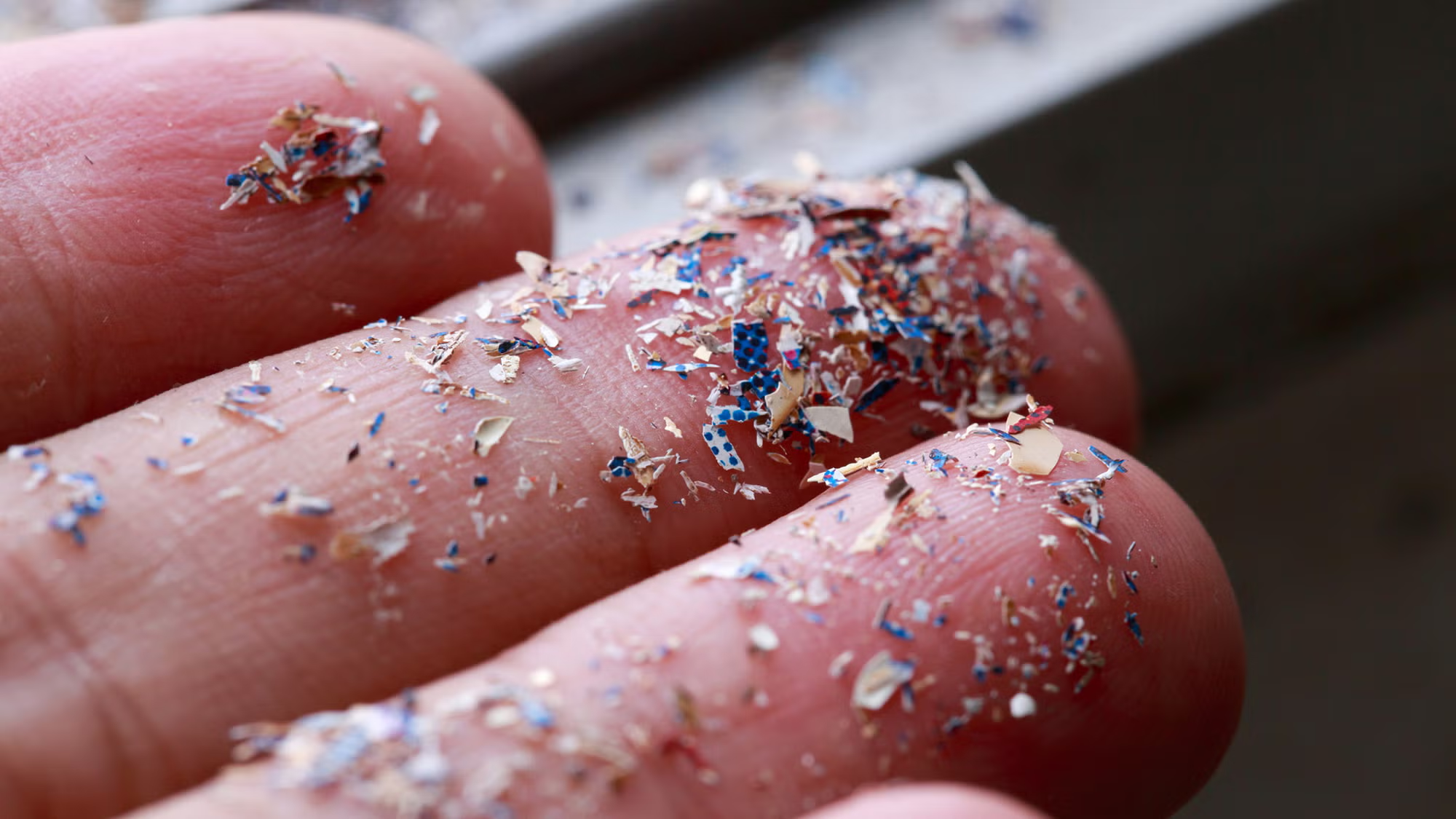
Microplastics in humans are no longer just a theory but a growing scientific concern. Researchers are now finding these particles in blood, lungs, placentas, and even brain tissue, raising urgent questions about their long-term health effects. Microplastics and nanoplastics are no longer an environmental issue happening “out there” in oceans and landfills. They are inside every one of us — in our blood, lungs, placentas, amniotic fluid, breast milk, and even crossing the blood-brain barrier into our brains.
On 24 February 2026, an international expert conference held at the European Parliament in Brussels brought together scientists, doctors, and policymakers to confront this reality. The message from Professor Antonio Ragusa and fellow researchers was unmistakable: these tiny particles have become a new global systemic factor that is already influencing human biology, ecosystems, and even climate processes. The problem is not just plastic waste. It is the pervasive, invisible pollution that has quietly entered every level of the biosphere, and our bodies.
The conference, organised under the auspices of MEP Ing. Ondřej Knotek in cooperation with the ALLATRA Global Research Center, marked a significant moment. Humanity has produced roughly 10 billion tons of plastic, much of which is now fragmenting into micro- and nanoparticles that will continue circulating for centuries. Recycling, beach clean-ups, and conventional waste management are no longer sufficient. The particles are too small, too widespread, and too deeply embedded. The time for recognition and coordinated global action has arrived.
Also in Explained | Can Sri Lanka Embrace Sustainable Alternatives to Everyday Plastics?
What Microplastics and Nanoplastics Really Are?
Microplastics are plastic particles smaller than 5 millimetres; nanoplastics are even tinier — less than 1 micrometre. They come from the breakdown of larger plastic items, synthetic clothing fibres, tyre wear, cosmetics, and packaging. Once released, they travel through air, water, and soil, entering the food chain at every level. Professor Ragusa’s pioneering research has shown they are not merely passing through our bodies, they accumulate and interact with our cells.
The particles themselves are not the only concern. They act as carriers for toxic chemicals, heavy metals, and pathogens. Their surface charge allows them to bind to other pollutants, transporting them deep into tissues where they would otherwise struggle to reach. This “Trojan horse” effect amplifies their danger.
Alarming Evidence of Human Exposure
The health data presented at the conference is sobering. Micro- and nanoplastics have been detected in:
- Blood and lungs
- Liver and reproductive tissues
- Placenta and amniotic fluid
- Breast milk
- Brain tissue
Professor Ragusa’s work, along with contributions from researchers like Alexander Masny and Pastor Mark Burns, shows these particles cross critical biological barriers. They trigger chronic inflammation, disrupt mitochondrial function (our cells’ energy engines), interfere with hormones, and alter the microbiome. Possible links include reduced fertility, lower birth weights, premature births, neurodevelopmental issues in children, cognitive decline in adults, cardiovascular risks, and even contributions to conditions such as Alzheimer’s and obesity. No safe exposure level has been established because the particles accumulate over time.
The implications for future generations are particularly concerning. Nanoplastics in placental tissue raise questions about long-term developmental impacts on unborn children. Their presence in breast milk means exposure begins from the very first days of life.
Beyond Human Health – Environmental and Climate Dimensions
The conference went further than human biology. Speakers including Anna Kotlyar, Maryna Ovtsynova, Dr. John Ahn, and Jan Kára highlighted how micro- and nanoplastics are altering entire ecosystems. They bioaccumulate in plants (reducing photosynthesis), animals, and the food chain. Over 200 million tons are estimated to be in the oceans alone, with cleanup rates near zero. Soil microbiology is changing, affecting agricultural productivity.
Even more striking is the emerging link to climate processes. Nanoplastics can act as condensation nuclei in the atmosphere, leading to smaller cloud droplets. This may contribute to prolonged droughts followed by extreme rainfall and flooding. They also influence ocean heat transfer and the water cycle, potentially accelerating ocean warming in ways not fully captured by current greenhouse-gas-focused models. Some researchers suggest connections to increased hail, extreme weather events, and even subtle geodynamic influences.
In short, microplastics are not just pollution, they have become a planetary-scale factor that interacts with biological, ecological, and climatic systems in ways scientists are only beginning to map.
Why Current Solutions Fall Short?
The conference was clear: traditional approaches are insufficient or even counterproductive. Recycling often produces more microplastics during processing. Beach clean-ups address symptoms but not the root cause. The particles are already too deeply embedded in modern life from food packaging and clothing to cosmetics and industrial processes.
The real problem, as Professor Ragusa emphasised, is not merely “plastic” but the systemic design of our production and consumption patterns. We have created a world where plastic is cheap, convenient, and ubiquitous, with little regard for its long-term fate once it leaves our hands.
What Each of Us Can Do and What Must Happen Next?
The conference did not stop at alarming data. It proposed concrete, interdisciplinary actions:
- Establish unified global standards for monitoring particles smaller than 10 microns.
- Develop standardised protocols for health and environmental research.
- Integrate nanoplastics into climate models and regulatory frameworks.
- Explore innovative scientific approaches, such as neutralising particle surface charge to reduce biological uptake.
- Foster genuine cooperation between science, policy, and the public.
- Strengthen the UN Global Plastics Treaty with enforceable targets on micro- and nanoplastics.
On an individual level, simple but meaningful changes matter. Reducing single-use plastics, choosing natural-fibre clothing, avoiding plastic-packaged food when possible, and supporting brands with genuine circular practices all contribute. Eating yogurt regularly has been linked in some studies to lower phthalate levels, as beneficial bacteria can help bind and excrete certain particles. Yet individual action alone is not enough. Systemic change is required.
The Window for Action Is Still Open to Reduce Microplastics in Humans
The Brussels conference carried an urgent but hopeful message. While the problem is already widespread, there is still a “time window” to mitigate further risks through coordinated research, policy, and innovation. Awareness is the first step. The fact that this discussion has moved from scientific journals to the European Parliament signals growing recognition at the highest levels.
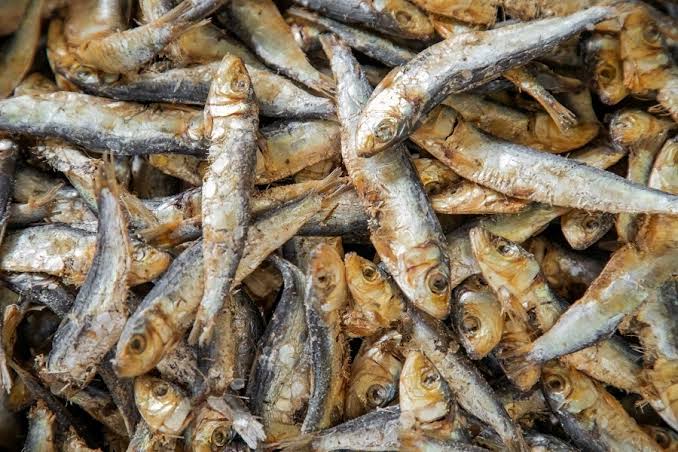
For Sri Lanka and other developing nations, the stakes are particularly high. We are major consumers of plastic-packaged goods and face additional exposure through imported food and consumer products. At the same time, our coastal communities and fisheries are vulnerable to ocean microplastic pollution. The global conversation on microplastics must include practical support for countries like ours to build monitoring capacity and transition toward lower-plastic economies.
Microplastics inside us are no longer a distant environmental story. They are a human health, ecological, and climatic reality. Professor Ragusa and his colleagues have sounded a clear alarm. The question now is whether we will treat this as just another headline or as the systemic challenge it truly is.
The particles are already here. The choice to act through personal habits, corporate responsibility, and bold policy remains ours.
Also in Explained | Sri Lanka’s Plastic Bag Levy – A Promising Start to Curbing Single-Use Waste